How to Prune Transvaal chincherinchee?
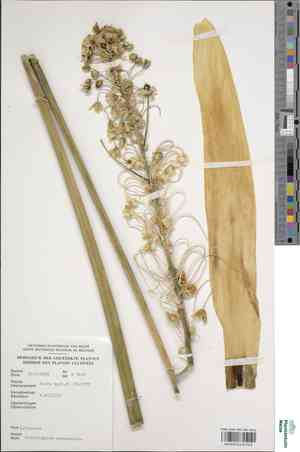
Recognized for its impressive white blossoms and resilient character, transvaal chincherinchee requires trimming in late winter or early spring, aligning with its inactive period. Eliminate deceased or compromised stems to foster robust development and avert illness. Furthermore, severing faded flower stalks stimulates more prolific flowering in the subsequent period. Consistent trimming improves air movement and light exposure, contributing to the plant's general well-being. Always employ sanitized, sharp implements to prevent harm to the plant and the spread of pathogens.
Advantages of Trimming Transvaal Chincherinchee
Advantages of Trimming Transvaal Chincherinchee
Transvaal chincherinchee benefits from trimming by promoting robust development and effectively maintaining its form. Pruning aids in managing plant size, enhancing blooms, minimizing disease risks, and improving overall appearance. Consistent trimming ensures transvaal chincherinchee stays healthy and visually appealing.
Optimal Time for Pruning Transvaal Chincherinchee
Optimal Time for Pruning Transvaal Chincherinchee
Pruning transvaal chincherinchee from late winter to early spring is ideal as this period aligns with the plant's dormant stage, just before new growth commences. Pruning at this time minimizes plant stress, allows for the removal of dead or damaged parts, and encourages healthy, vigorous new growth and flowering. Additionally, dormant season pruning helps maintain the plant's structure and promotes a more abundant bloom period.
Tools Required for Pruning Transvaal Chincherinchee
Bypass Pruners
Perfect for making clean cuts on live stems and foliage of transvaal chincherinchee. These ensure minimal harm and lessen the chance of disease entry.
Snips or Floral Shears
Appropriate for precise cuts on delicate sections of transvaal chincherinchee, especially when deadheading spent flowers.
Gloves
Crucial for protecting hands while handling transvaal chincherinchee, as some varieties can cause mild skin irritation.
Isopropyl Alcohol or Disinfectant Wipes
Used to sanitize tools before and after pruning to prevent the spread of pathogens.
How to Prune Transvaal Chincherinchee
Identify Affected Areas
Carefully examine transvaal chincherinchee to locate any diseased or withered leaves that require removal. Look for discoloration, wilting, or signs of illness.
Clean Pruning Tools
Sanitize your pruning shears or scissors with rubbing alcohol or a bleach solution to prevent the spread of diseases.
Remove Diseased Leaves
Cut away any leaves showing signs of disease, making the cut close to the base of the leaf stem. Dispose of these leaves properly to avoid contamination.
Remove Withered Leaves
Trim away the withered or dead leaves by making a clean cut at the base of the leaf stem. Ensure not to harm healthy parts of transvaal chincherinchee.
Dispose and Clean
Collect all trimmed leaves and dispose of them away from healthy plants. Clean your pruning tools again after completion to maintain hygiene.
Common Pruning Errors with Transvaal Chincherinchee
Excessive Pruning
Cutting too much of the plant can stress transvaal chincherinchee, leading to reduced flowering and overall health decline. Aim to remove no more than one-third of the plant's foliage at any given time.
Incorrect Cuts
Making jagged or uneven cuts can damage stems and increase susceptibility to diseases. Always use sharp, clean tools to make precise cuts just above a leaf node or bud.
Pruning at the Wrong Time
Although the best season for pruning is not covered here, it's vital to understand that pruning during active growth periods or at unsuitable times can hinder blooming and weaken the plant.
Neglecting to Deadhead
Failing to remove spent flowers can cause transvaal chincherinchee to redirect energy into seed production instead of new growth and blooming. Regular deadheading encourages more flowers and a healthier plant.
Removing Healthy Growth
Unnecessarily cutting away healthy, strong stems can limit the plant's ability to photosynthesize and support its flowers. Focus on removing only dead, damaged, or overcrowded stems.
General Pruning Advice for Transvaal Chincherinchee
Use clean, sharp tools
Ensure all tools are sterilized and sharp to make clean cuts, reducing the risk of infection and promoting quicker healing.
Deadhead spent flowers
Regularly remove faded blooms to encourage continuous flowering and prevent the plant from putting energy into seed production.
Make angled cuts
Cut stems at a 45-degree angle just above a leaf node or bud to promote healthy new growth and prevent water from settling on the cut surface.
Inspect for disease and pests
While pruning, check for any signs of disease or pests. Remove any affected parts and treat the plant accordingly to prevent the spread of issues.
Encourage air circulation
Prune crowded areas to improve air circulation within the plant, reducing the risk of fungal diseases and encouraging robust growth.
Gradual shaping
Avoid drastic pruning which can shock transvaal chincherinchee. Instead, shape the plant gradually over multiple sessions, allowing it to adjust and maintain its health.



