How to Prune Sweet marjoram?
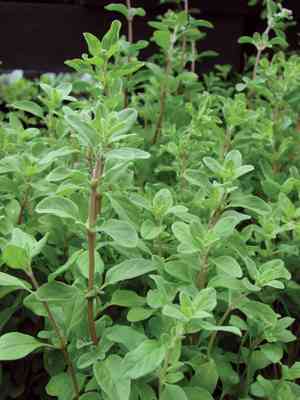
Distinguished by its fragrant foliage, sweet marjoram flourishes with consistent cutting. The best periods for trimming extend from spring to autumn, fostering a compact form and averting sparse development. Snip off the ends every couple of weeks throughout these periods to stimulate thicker leaves. Following harvest, reduce the plant by one-third to revitalize it. Trimming not only sculpts sweet marjoram but also boosts leaf output, which is crucial for cooking applications. Always employ sanitized, keen scissors to prevent the spread of pathogens.
Advantages of Trimming Sweet Marjoram
Advantages of Trimming Sweet Marjoram
Trimming sweet marjoram promotes more abundant flowering, maintains its compact structure, and stimulates robust development, leading to a healthier and more visually appealing plant.
Optimal Period for Trimming Sweet Marjoram
Optimal Period for Trimming Sweet Marjoram
Trimming sweet marjoram in early spring coincides with the start of its growth phase, encouraging denser foliage and allowing the plant ample time to recover before the more intense summer heat. Late summer trimming is ideal for removing spent blooms and shaping the plant before it enters its slower autumn growth, while preventing new growth from being damaged by impending cold weather.
Tools Required for Trimming Sweet Marjoram
Hand Pruners
For precise cuts on sweet marjoram, hand pruners are perfect, enabling accurate snips and helping to maintain the plant's form. Opt for bypass pruners over anvil pruners, as they create cleaner cuts and are better suited for the delicate stems of sweet marjoram.
Gardening Shears
Gardening shears are suitable for shaping and trimming sweet marjoram. These will allow you to cut the soft stems and leaves without causing harm to the plant.
Scissors
In certain situations, ordinary scissors may suffice for minor trimming tasks, such as removing dead flowers or harvesting. However, ensure they are clean and sharp to avoid bruising the stems of sweet marjoram.
How to Trim Sweet Marjoram
Sterilize
Before trimming sweet marjoram, sanitize the pruning shears or scissors with alcohol or a bleach solution to prevent disease transmission.
Remove Diseased Leaves
Carefully inspect sweet marjoram and remove any diseased leaves by cutting them at the base of the leaf stem. Be careful not to tear the stems or harm other parts of the plant.
Trim Withered Leaves
Cut back withered or old leaves to the nearest healthy set of leaves or node. This encourages new foliage growth and maintains plant vitality.
Deadhead Flowers
Remove faded flowers from sweet marjoram just above the first set of healthy leaves below the spent bloom. This promotes continuous flowering.
Shape Plant
Shape sweet marjoram by trimming overly long or unruly stems to maintain a compact and bushy appearance. Make cuts just above leaf nodes to encourage denser growth.
Common Trimming Errors with Sweet Marjoram
Over-trimming
Removing too much growth at once can stress sweet marjoram and impede its natural shape and productivity. It's crucial to trim no more than one-third of the plant at a time.
Imprecise cuts
Sweet marjoram's stems are delicate. Rough or jagged cuts can damage the plant and introduce disease. Clean, angled cuts help promote quicker healing.
Using unclean tools
Trimming with dirty tools can introduce pathogens to sweet marjoram. Always use sterilized shears to prevent disease spread.
Ignoring plant shape
Sweet marjoram should maintain a natural, rounded shape. A common error is to trim without considering its form, which can lead to an unbalanced look and reduced vigor.
Trimming too frequently
Sweet marjoram benefits from regular trimming, but excessive pruning can hinder flowering. Allowing sweet marjoram to grow to some extent before cutting back is essential.
General Trimming Advice for Sweet Marjoram
Appropriate tool selection
Use sharp, clean pruning shears specifically designed for delicate herbs to ensure precise cuts without harming sweet marjoram.
Mindful cutting
Trim sweet marjoram by cutting just above a leaf node or set of leaves. This encourages new growth to branch out from that point.
Thinning
Thin out sweet marjoram's center to allow air and light to penetrate, reducing the risk of mold and mildew and promoting a fuller, healthier plant.
Promoting bushiness
Regularly pinching back the tips of sweet marjoram can encourage a denser growth habit, which is desirable for culinary uses and overall plant health.
Post-flowering care
After sweet marjoram has flowered, trim back the flowering stems to foster a compact shape and to encourage additional blooming in the next cycle.



