How to Prune Dwarf lilyturf?
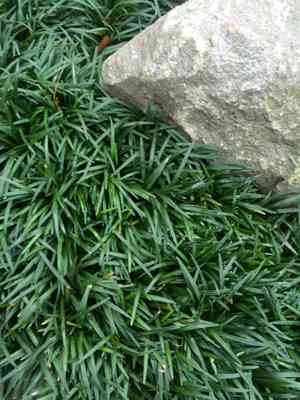
This perennial, evergreen herb is recognized for its blade-like leaves and compact ground coverage. Trimming dwarf lilyturf entails removing discolored or impaired foliage as required throughout the year to preserve its visual appeal. For peak vitality, perform a more comprehensive cutback in early spring or late winter to stimulate vigorous, fresh development. Consistent trimming aids dwarf lilyturf by fostering a more compact structure, thereby improving its dense ground cover look. Always employ sanitized, sharp implements to avert illness.
What Are the Benefits of Pruning Dwarf Lilyturf?
What Are the Benefits of Pruning Dwarf Lilyturf?
Trimming dwarf lilyturf promotes robust growth and helps maintain its compact shape. This practice ensures the plant stays healthy, visually appealing, and well-proportioned in the garden.
What Is the Best Time for Pruning Dwarf Lilyturf?
What Is the Best Time for Pruning Dwarf Lilyturf?
During late winter, dwarf lilyturf is dormant, making it the perfect time to prune without stressing the plant. Trimming then prepares dwarf lilyturf for strong spring growth by removing dead or damaged leaves. Early spring pruning, as new growth begins, helps shape the plant while allowing new growth to mature before summer heat. Avoid pruning dwarf lilyturf in late fall, as new growth might not harden before winter frosts, potentially causing damage. Pruning in the recommended seasons boosts dwarf lilyturf's overall health and minimizes disease or pest risks from fresh cuts.
What Tools Do I Need to Prune Dwarf Lilyturf?
Hand Pruners
Perfect for precise cutting and shaping of dwarf lilyturf, enabling gardeners to remove dead or yellowed leaves with minimal plant harm.
Scissors
Suitable for trimming and maintaining dwarf lilyturf's neat look, especially for thin foliage or in confined areas.
Leaf Rake
Useful for gently clearing debris and fallen leaves from around dwarf lilyturf without disturbing its delicate roots or foliage.
Gardening Gloves
Protects hands when pruning dwarf lilyturf and handling sharp tools or removing debris, ensuring gardener safety.
How to Prune Dwarf Lilyturf
Step1: Assess Plant Health
Evaluate dwarf lilyturf's overall health and structure, identifying any yellow or withered leaves that require removal.
Step2: Prepare Pruning Tools
Choose sharp bypass pruners or scissors that have been cleaned and disinfected to prevent disease spread.
Step3: Identify Yellow Leaf Origin
Locate yellow leaves at dwarf lilyturf's base and trace them to their origin point, being careful not to cut into healthy green tissue.
Step4: Prune Yellow Leaves
Cut yellow leaves cleanly at their base, near the soil line, or where they emerge from the clump, without leaving a stub.
Step5: Distinguish Withered Leaves
Identify withered leaves, which are typically dry and brown, and feel their texture to differentiate them from healthy leaves.
Step6: Prune Withered Leaves
Prune withered leaves similarly to yellow leaves, cutting at the base or origin point, taking care not to disturb surrounding healthy foliage.
Step7: Shape Plant Conservatively
Gently shape dwarf lilyturf by removing only necessary foliage to maintain a tidy appearance, avoiding over-pruning as dwarf lilyturf do not respond well to aggressive trimming.
Step8: Dispose of Pruned Debris
Collect and discard all pruned material in a compost bin or as per local regulations to prevent potential pest or disease spread.
Step9: Water Post-Pruning
Water dwarf lilyturf thoroughly after pruning to help reduce stress and support recovery, if the soil is dry and watering aligns with your regular care schedule.
Step10: Monitor for Regrowth
Monitor dwarf lilyturf for new growth, and repeat the pruning process as needed when yellow or withered leaves reappear to keep dwarf lilyturf healthy and aesthetically pleasing.
Post-Pruning Care for Dwarf Lilyturf
Post-Pruning Care for Dwarf Lilyturf
Immediately after pruning dwarf lilyturf, water thoroughly to reduce stress. Maintain slightly shaded conditions, ensuring no direct harsh sunlight. Optimal post-pruning temperatures range from 60-75°F with moderate humidity. Begin a light feeding regimen with balanced, slow-release fertilizer to aid recovery. Monitor dwarf lilyturf for wilting, discoloration, or signs of disease, signalling stress or infection. If symptoms appear, adjust care and consult a plant health expert.
Common Pruning Mistakes with Dwarf Lilyturf
Avoid Over-pruning to Prevent Plant Stress
Excessive pruning, which involves removing too much foliage at once, can harm dwarf lilyturf's health, leading to stress and reduced vitality.
Use Clean, Sharp Tools for Healthy Cuts
Using dull or dirty pruning tools can damage dwarf lilyturf's delicate leaves and roots, and introduce harmful pathogens.
Don't Cut Into Plant Crown to Protect New Shoots
Pruning into the crown or heart of dwarf lilyturf where new shoots emerge can impede its growth and potentially kill the plant.
Common Pruning Tips for Dwarf Lilyturf
Sterilize Shears for Clean Cuts and Disease Prevention
Use sharp, sterilized pruning shears to make clean cuts, reducing disease risk and minimizing damage to dwarf lilyturf's foliage.
Prune Outer Layers for Airflow and Light
When thinning dwarf lilyturf's foliage, remove only the outermost layers to maintain its dense, grass-like appearance while promoting airflow and light penetration.
Selective Pruning of Old Leaves to Encourage Growth
To rejuvenate an overgrown dwarf lilyturf, selectively prune older, discolored, or damaged leaves at their base, encouraging new growth without compromising the plant's structure.



