How to Prune Redroot gromwell?
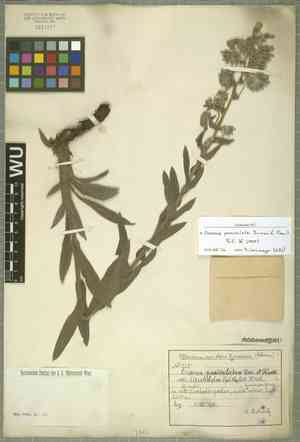
This enduring herbaceous plant flourishes in stony, adequately drained ground, distinguished by its spear-shaped foliage and cylindrical blossoms. For redroot gromwell, trimming can be carried out throughout the year to preserve its form and stimulate more compact development. Promptly eliminate any deceased or ailing stalks to foster robust leaves. Reducing crowded sections enhances air movement, diminishing the likelihood of fungal ailments. Removing spent blooms after flowering contributes to a neat look and might boost later floral displays.
What Are the Benefits of Pruning Redroot Gromwell?
What Are the Benefits of Pruning Redroot Gromwell?
Trimming redroot gromwell boosts flowering, promotes robust development, and maintains its desired form, resulting in a healthier, more attractive plant.
What Is the Best Time for Pruning Redroot Gromwell?
What Is the Best Time for Pruning Redroot Gromwell?
Pruning redroot gromwell from late winter to early spring is optimal, typically before its new growth cycle begins. During this period, the plant remains dormant, minimizing stress and sap loss. This timing also allows for easy identification and removal of damaged or diseased wood without leaf obstruction, ensuring healthier growth in the coming season. Furthermore, pruning before spring growth stimulates new development in the desired direction and encourages a more abundant flowering or fruiting period. It is crucial to prune on a mild day to prevent frost damage to fresh cuts.
What Tools Do I Need to Prune Redroot Gromwell?
By-pass Hand Pruners
Perfect for making precise cuts on live stems and branches of redroot gromwell up to 1/2 inch thick. The by-pass blade design minimizes harm to the plant's living tissue, aiding healthy regrowth.
Pruning Shears
Suitable for snipping blooms or deadheading redroot gromwell. They offer precise control and ease of use, ideal for delicate tasks.
Garden Scissors
Useful for trimming and shaping the softer foliage of redroot gromwell. Their shorter blades allow for accurate cutting without harming nearby stems.
Gloves
Essential for protecting hands from thorns or rough branches while pruning redroot gromwell. Always wear sturdy gloves to prevent skin irritation or injury.
How to Prune Redroot Gromwell
Clean tools
Before pruning redroot gromwell, sanitize all pruning tools with a solution of 1 part bleach to 9 parts water to prevent disease spread.
Remove diseased leaves
Carefully snip off any diseased leaves from redroot gromwell using clean, sharp scissors or pruning shears, ensuring not to cut healthy tissue.
Prune withered parts
Trim away withered leaves and flowers of redroot gromwell to encourage new growth. Make cuts close to the base of the withered part, without damaging the healthy stem.
Cut dead branches
Remove dead branches from redroot gromwell by cutting at a 45-degree angle just above a healthy bud or branch junction, ensuring proper healing and growth.
Eliminate diseased branches
Trim diseased branches on redroot gromwell back to healthy tissue, cutting several centimeters into the healthy area to ensure complete removal of diseased parts.
Common Pruning Mistakes with Redroot Gromwell
Over-pruning
Removing too much foliage at once can stress redroot gromwell, leading to reduced vigor and potentially weakening the plant.
Improper cut placement
Cuts made too far from a bud or node, or too close, can cause dieback or fail to promote desired growth in redroot gromwell.
Using dull tools
Pruning redroot gromwell with dull tools can result in ragged cuts that are more susceptible to pests and diseases.
Neglecting hygiene
Failing to clean tools before use on redroot gromwell can spread diseases from contaminated plants.
Ignoring plant structure
Random or excessive cutting without understanding the plant's growth pattern can lead to poor form and reduced flowering in redroot gromwell.
Common Pruning Tips for Redroot Gromwell
Sharp tools
Use clean, sharp pruning shears to make clean cuts on redroot gromwell, which help the plant heal faster and reduce disease risk.
Cutting angle
Cut at a 45-degree angle above a bud or branch when pruning redroot gromwell, ensuring that water does not collect on the cut surface.
Selective pruning
Focus on removing dead, diseased, or damaged stems to maintain the health and aesthetics of redroot gromwell.
Shaping
Prune redroot gromwell gently to shape the plant, focusing on thinning rather than topping to preserve its natural form.
After-flowering maintenance
Trim back spent flowers on redroot gromwell to encourage a tidy appearance and potentially support a second bloom.



