How to Prune Oncidium leleui?
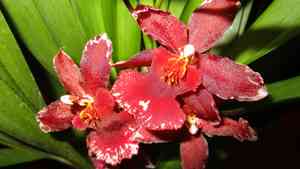
Distinguished by its vivid hues and delicate blossoms, oncidium leleui thrives with trimming performed from late winter through early spring. Eliminate any deceased or ailing sections and snip off faded flower stalks to stimulate fresh development. Prioritize sustaining an unhindered framework to improve air movement. This horticultural practice not only fosters more vigorous leaves and flowers but also deters insect problems. Consistent, initial-season trimming guarantees strong development and peak blooming, harmonizing with the plant's inherent growth pattern.
Advantages of Trimming Oncidium Leleui
Advantages of Trimming Oncidium Leleui
Trimming oncidium leleui encourages robust development, maintains its form, boosts blooming, and lowers pest and disease risks. Regular trimming ensures better air circulation and light penetration, resulting in a healthier, more resilient plant.
Optimal Period for Trimming Oncidium Leleui
Optimal Period for Trimming Oncidium Leleui
Trimming or cutting oncidium leleui during early spring and late winter aligns with its growth cycle. During these times, oncidium leleui exhibits reduced activity in preparation for its active growth and flowering phase in warmer months. Pruning then minimizes stress as the plant is dormant or just emerging from dormancy, thereby promoting healthier regrowth and more abundant blooms. Additionally, cutting back during these seasons helps remove any dead or damaged foliage accumulated over winter, ensuring a robust and healthy plant as it transitions into the growing season.
Necessary Tools for Trimming Oncidium Leleui
Sterile pruning shears
Essential for clean cuts, especially for removing spent flower spikes and damaged leaves to prevent infection.
Small, sharp scissors
Useful for more precise trimming of roots or detailed pruning of small shoots and leaves.
Long-handled tweezers
Ideal for reaching deep within the plant without harming its delicate structure, particularly useful when dealing with densely packed growth.
Alcohol wipes or disinfectant spray
Crucial for sanitizing tools before and after use to prevent the spread of diseases.
How to Trim Oncidium Leleui
PrepareTools
Gather sanitized pruning shears and gloves to ensure clean cuts and prevent disease transmission.
InspectPlant
Carefully examine oncidium leleui to identify diseased and withered leaves that require removal.
RemoveDiseased
Using the sanitized pruning shears, cut away any diseased leaves at the base, ensuring complete removal of the affected part to avoid spreading.
RemoveWithered
Cut off any withered leaves at the stem to encourage new growth and maintain the plant's overall health.
DisposeProperly
Collect and discard the trimmed diseased and withered leaves away from your garden area to prevent contamination.
Common Trimming Errors with Oncidium Leleui
Excessive trimming
Overly cutting back healthy growth can stress oncidium leleui, leading to stunted development and fewer blooms. It's vital to only remove dead or damaged parts.
Incorrect tool usage
Using dull or unsanitized tools can introduce diseases and create jagged cuts, which take longer to heal. Always use sharp, sterilized pruning shears.
Trimming at the wrong time
Trimming oncidium leleui at unsuitable times can disrupt its natural growth cycle and flowering. Adhere to recommended trimming seasons.
Ignoring the overall form
Trimming without considering the plant's shape can result in an unbalanced appearance and impede its natural growth pattern. Always maintain the natural aesthetic of oncidium leleui.
General Trimming Advice for Oncidium Leleui
Identify and remove dead or damaged leaves
Regularly check for and remove dead or damaged leaves to prevent disease spread and encourage new growth.
Use sharp, sterilized tools
Always use clean, sharp scissors or pruning shears to make precise cuts and reduce the risk of infection.
Trim lightly and regularly
Light and regular trimming of oncidium leleui helps maintain its shape and encourages healthy growth without causing undue stress to the plant.
Maintain air circulation
Remove crowded or overlapping leaves to improve air circulation, which helps prevent fungal infections and promotes overall plant health.



