How to Prune Lindheimer's beeblossom?
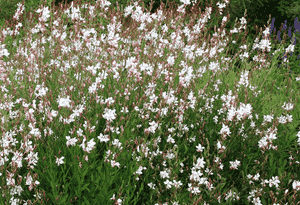
A favored perennial recognized for its elevated spires of white or pink blooms, lindheimer's beeblossom flourishes in bright, adequately drained locations. To sustain vitality, regularly eliminate faded flower stems. Cut back by one-third in the middle of summer to stimulate subsequent flowering. Remove deceased leaves in the early spring, right before fresh development begins. Trimming from the start of spring until late autumn fosters vigorous growth and deters an elongated appearance, guaranteeing an abundant floral exhibition.
What Are the Benefits of Pruning Lindheimer's Beeblossom?
What Are the Benefits of Pruning Lindheimer's Beeblossom?
Trimming lindheimer's beeblossom promotes abundant blooms and encourages robust, strong development. Through selective cutting, gardeners maintain the plant's form and visual appeal, ensuring lindheimer's beeblossom looks its best and flourishes.
What Is the Best Time for Pruning Lindheimer's Beeblossom?
What Is the Best Time for Pruning Lindheimer's Beeblossom?
These periods are ideal because pruning in early spring allows for the removal of winter damage before the plant enters active growth, directing energy to new, healthy development. Late fall pruning is beneficial for removing spent flowers and seed pods, preventing self-seeding and promoting a neater plant shape. During this time, lindheimer's beeblossom has finished its growth cycle and is preparing for winter dormancy, making it less prone to pruning stress. By timing pruning activities with these seasons, gardeners ensure the health of lindheimer's beeblossom, reduce disease risk, and can potentially enhance the next season's flowering.
What Tools Do I Need to Prune Lindheimer's Beeblossom?
Hand Pruners
Hand pruners are adaptable and ergonomic tools that enable precise cuts on lindheimer's beeblossom's soft stems. They ensure clean snips without harming the plant, which is vital for its well-being.
Pruning Shears
Lindheimer's beeblossom may occasionally develop woody stems, especially on older specimens. Pruning shears are more robust than hand pruners and can easily cut through these tougher stems without straining the gardener or damaging the plant.
Bypass Pruners
Bypass pruners are highly recommended for lindheimer's beeblossom as they create clean and gentle cuts. Their two curved blades slide past each other like scissors, minimizing harm to the remaining plant tissues. This tool is particularly important for precise trimming of lindheimer's beeblossom's delicate stems.
Pruning Saw
For mature lindheimer's beeblossom plants with thicker woody base stems, a pruning saw might be necessary. A saw allows for the removal of larger, more established stems that traditional pruners cannot manage. This tool should be used carefully to ensure precise cuts that will heal properly.
How to Prune Lindheimer's Beeblossom
Step1: Examine for Pruning Areas
Thoroughly inspect lindheimer's beeblossom to identify areas needing pruning, focusing on spent flowers, damaged stems, and old wood.
Step2: Remove Dead Flowers
Start pruning lindheimer's beeblossom by removing any dead or fading blooms. Make cuts just above leaf nodes or budding zones to encourage new growth.
Step3: Prune Damaged Stems
Carefully cut away damaged stems, ensuring you use clean, sharp pruning shears. Make cuts at a 45-degree angle approximately 1/4 inch above a healthy leaf node or stem junction.
Step4: Cut Back Old Wood
To prune old wood, identify older, woody stems that no longer produce vigorous growth or flowers. Cut these stems back to ground level or to a strong, young shoot that can take over.
Step5: Shape the Plant
Shape lindheimer's beeblossom as desired, but be careful not to over-prune as this can stress the plant. Focus only on the necessary partsâdead flowers, damaged stems, and unwanted old wood.
Step6: Cleanup Pruning Debris
After pruning, clear away any fallen debris from around lindheimer's beeblossom to reduce the risk of disease and pest issues.
Step7: Water and Mulch Post-Pruning
Water and mulch lindheimer's beeblossom after pruning to help promote recovery and new growth. Ensure water is applied at the base and not directly on the foliage to prevent diseases.
Step8: Monitor Plant Recovery
Monitor lindheimer's beeblossom over the subsequent weeks for signs of new growth and health, adjusting care as needed.
Post-Pruning Care for Lindheimer's Beeblossom
Post-Pruning Care for Lindheimer's Beeblossom
Following pruning of lindheimer's beeblossom, water the plant deeply to aid recovery. Maintain soil moisture without waterlogging. Provide partial to full sunlight and keep lindheimer's beeblossom within a temperature range that avoids extreme heat or cold. Monitor humidity, aiming for moderate levels. Implement a balanced fertilizer regimen to replenish nutrients. Regularly inspect lindheimer's beeblossom for signs of distress like wilting or discoloration. At any indication of infection, such as unusual spotting, consult a horticulturalist for appropriate treatment.
Common Pruning Mistakes with Lindheimer's Beeblossom
Over-pruning leading to stress and less flowering
Pruning too aggressively, which can stress lindheimer's beeblossom and result in reduced flowering or loss of the plant
Improper cuts on old stems hindering regrowth
Cutting into old, woody stems which may not readily resprout, impeding the plant's development
Failure to deadhead affecting bloom and vigor
Neglecting to remove spent flowers or seedpods, which can diminish overall blooming and vitality
Using dirty or blunt tools risking plant health
Employing dull or unclean tools that can harm stems and make lindheimer's beeblossom susceptible to diseases
Pruning without purpose causing uneven growth
Pruning without a clear objective, leading to uneven growth and a less aesthetically pleasing form
Common Pruning Tips for Lindheimer's Beeblossom
Sharp, clean tools for precise cuts and healing
Utilize clean, sharp pruning shears to make accurate cuts, minimizing harm to lindheimer's beeblossom and promoting faster healing
Thin dense areas for better air flow and light
Focus on thinning out crowded areas to enhance air circulation and light penetration, which supports healthier growth and blooming
Deadhead regularly for more blooms and neatness
Regularly remove spent blooms to encourage lindheimer's beeblossom to produce more flowers and maintain a tidy appearance
Cut above leaves or nodes for new shoots
Cut back to just above a set of leaves or a growth node, ensuring lindheimer's beeblossom has the best chance of sending out new shoots
Light post-flowering shaping for tidiness and vigor
After flowering, lightly shape lindheimer's beeblossom to keep it looking neat, only removing a small percentage of growth to maintain plant vigor



