How to Prune Narrowleaf evening primrose?
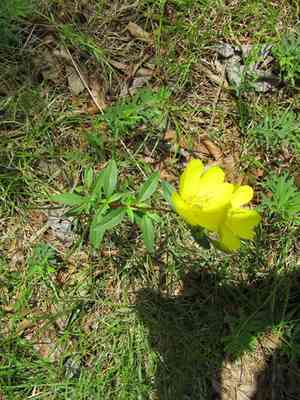
Narrowleaf evening primrose, a perennial that thrives in sunlight, featuring vibrant yellow blossoms and slender leaves, benefits from trimming to preserve its form and stimulate flowering. Reduce its size by one-third in early spring prior to the emergence of new shoots. Consistently remove faded blooms to encourage ongoing flowering. Perform a light trim once more in late autumn to neaten the plant. Refrain from severe cuts to avert strain. Pruning boosts the vitality of narrowleaf evening primrose and prolongs its blooming period.
What Are the Benefits of Pruning Narrowleaf Evening Primrose?
What Are the Benefits of Pruning Narrowleaf Evening Primrose?
Trimming narrowleaf evening primrose promotes more abundant flowering and vigorous development. Regular cutting helps maintain a compact, attractive form, enhancing narrowleaf evening primrose's visual appeal in the garden.
What Is the Best Time for Pruning Narrowleaf Evening Primrose?
What Is the Best Time for Pruning Narrowleaf Evening Primrose?
Pruning narrowleaf evening primrose in early spring is advantageous as it prepares the plant for new development, ensuring energy is directed towards producing healthy leaves and blossoms. Trimming at this time aids in removing any dead or damaged foliage from winter, which can prevent disease and encourage stronger growth throughout the active season. Late autumn pruning aligns with the conclusion of narrowleaf evening primrose's flowering period. This timing is ideal because it allows gardeners to cut back spent flower stalks and any leggy or overgrown stems without disrupting the plantâs natural bloom cycle. Removing old growth at this stage also minimizes the risk of winter damage and promotes a neat appearance during dormancy.
What Tools Do I Need to Prune Narrowleaf Evening Primrose?
Hand Pruners
Perfect for making precise cuts on narrowleaf evening primrose's stems. Hand pruners, also known as secateurs, should be sharp and capable of cutting cleanly without crushing plant tissues, which helps prevent disease.
Pruning Shears
Narrowleaf evening primrose may produce multiple stems and dense growth that require thinning. Pruning shears are suitable for trimming softer, green stems and overgrown foliage with greater control.
Gloves
Hand protection is crucial when pruning narrowleaf evening primrose to prevent scratches or irritation that can result from contact with the foliage or stems.
Pruning Saw
For more mature narrowleaf evening primrose plants with thicker, woody stems, a pruning saw might be necessary. It allows for larger cuts without harming surrounding plant material.
Loppers
If narrowleaf evening primrose has grown particularly large or has stems too thick for hand pruners, loppers can be used to cut through these with increased leverage and minimal effort.
How to Prune Narrowleaf Evening Primrose
Step1: Identify Plants for Pruning
Locate the narrowleaf evening primrose in your garden that needs pruning. Specifically look for spent flowers, diseased stems, and damaged stems. Pruning is best performed after the plant has finished blooming, typically in late summer or early fall.
Step2: Sanitize Pruning Tools
Disinfect your pruning tools with a solution of 1 part bleach to 9 parts water to prevent disease transmission. Rinse the tools and allow them to dry before you begin pruning.
Step3: Deadhead Spent Flowers
Begin with dead flowers. Using sharp and clean pruning shears, snip the flower stalks back to their base or to the nearest set of leaves without removing any healthy foliage. Deadheading spent flowers prevents narrowleaf evening primrose from expending energy on seed production and may encourage a second bloom.
Step4: Remove Diseased Stems
Carefully inspect the narrowleaf evening primrose for diseased stems. Look for discoloration, spots, or cankers. Cut these stems back to healthy tissue, at least 3 to 5 inches below the affected portion to ensure all diseased areas are removed. If an entire stem is diseased, remove it at the base.
Step5: Prune Damaged Stems
Examine narrowleaf evening primrose for damaged stems that might be broken or bent. Prune these stems back to the nearest healthy branch junction or all the way to the base if necessary, ensuring cuts are clean and at a 45-degree angle to prevent water accumulation that could foster disease.
Step6: Dispose of Pruning Debris
Clear away all debris from pruning around the narrowleaf evening primrose, including spent flowers, diseased, and damaged stems. Dispose of them properly to prevent any potential spread of disease to other plants.
Step7: Water Plant Post-Pruning
Water narrowleaf evening primrose appropriately after pruning to help reduce plant stress and provide a good environment for new growth. Avoid overwatering, as narrowleaf evening primrose prefers well-drained soils.
Step8: Monitor Plant Health Post-Pruning
Observe the narrowleaf evening primrose after pruning for signs of new growth or any additional maintenance needs, such as potential pests or further diseased material that may have been initially overlooked. Repeat the pruning process as needed to maintain plant health and vigor.
Post-Pruning Care for Narrowleaf Evening Primrose
Post-Pruning Care for Narrowleaf Evening Primrose
Immediately after pruning narrowleaf evening primrose, ensure cuts are clean to aid healing. Position narrowleaf evening primrose in a spot with ample sunlight and maintain consistent temperature and humidity to minimize stress. Water the soil to sustain moisture without causing waterlogging. Apply a balanced, slow-release fertilizer to nourish narrowleaf evening primrose during recovery. Regularly check for disease or pest presence, especially at the pruning sites. Any signs of distress should be addressed promptly with suitable horticultural interventions.
Common Pruning Mistakes with Narrowleaf Evening Primrose
Over-Pruning Restricts Flowering and Stresses Plant
Pruning narrowleaf evening primrose too aggressively, which can lead to poor flowering the subsequent season as narrowleaf evening primrose blooms on new wood. Removing excessive growth can also stress the plant.
Ignoring Dead Stems May Spread Disease
Failing to remove dead or diseased stems, which can impede healthy growth and potentially spread disease throughout narrowleaf evening primrose.
Dull Tools Cause Jagged Cuts and Plant Harm
Using dull or unclean pruning tools, which can result in ragged cuts that make narrowleaf evening primrose more vulnerable to pests and diseases.
Pruning Against Natural Shape Damages Structure
Disregarding the natural form of narrowleaf evening primrose when pruning, leading to an unnatural appearance and possibly harming the plant's structure.
Common Pruning Tips for Narrowleaf Evening Primrose
Sharp, Clean Shears Prevent Disease and Pest Issues
Utilize clean, sharp pruning shears to make precise cuts on narrowleaf evening primrose, reducing the risk of disease and pest infestation.
Deadheading Promotes Additional Flower Blooms
Trim back the faded blooms of narrowleaf evening primrose to encourage a second flush of flowers later in the season.
Thinning Aids Airflow and Strengthens Growth
Thin out crowded areas of narrowleaf evening primrose to enhance air circulation and light penetration, which can result in more robust growth.
Prune to Base or Outward Bud for Healthy Growth
Prune dead or damaged stems on narrowleaf evening primrose down to the base or to a healthy outward-facing bud to promote vigorous new growth.
Follow Natural Growth Pattern for Plant Health
Maintain the natural habit of narrowleaf evening primrose by following its growth pattern when pruning, which will support the plant's overall health and aesthetic appeal.



