How to Prune Tufted Evening Primrose?
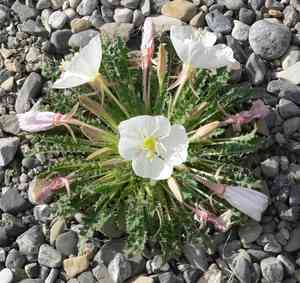
Distinguished by its aromatic white blossoms that unfurl at dusk, Oenothera caespitosa needs infrequent trimming to preserve its form and stimulate robust development. Removing faded flowers promotes additional blooming. Trim in early spring to eliminate deceased leaves and foster fresh development. Pruning throughout spring, summer, or autumn enables cultivators to control its dimensions and deter self-propagation. This opportune upkeep guarantees a dense, thriving specimen with an abundant flowering period.
What Are the Benefits of Pruning Tufted Evening Primrose?
What Are the Benefits of Pruning Tufted Evening Primrose?
Trimming tufted Evening Primrose promotes more abundant blossoms by directing energy towards flower development. Regular cutting back keeps tufted Evening Primrose shapely and compact, enhancing its visual appeal. It also stimulates the plant to grow more robustly, fostering a healthier specimen.
What Is the Best Time for Pruning Tufted Evening Primrose?
What Is the Best Time for Pruning Tufted Evening Primrose?
Pruning tufted Evening Primrose is optimally performed during Spring, Summer, and Fall to align with its growth cycle and ensure vigorous development and flowering. Spring pruning removes winter damage and encourages new growth, Summer trimming helps maintain form and promotes more blooms, and Fall pruning prepares the plant for winter by removing dead or diseased parts. Pruning outside these periods, especially in Winter, is not recommended as it can negatively impact the plant's health and blooming capacity.
What Tools Do I Need to Prune Tufted Evening Primrose?
Bypass Pruners
Perfect for making clean, accurate cuts on tufted Evening Primrose's delicate stems without causing unnecessary harm to the plant.
Pruning Shears
Suitable for removing spent flowers and light shaping of tufted Evening Primrose, which encourages new growth and may help in promoting more blooms.
Gardening Gloves
Protects the gardener's hands from potential irritation caused by tufted Evening Primrose's sap during pruning tasks.
Small Garden Scissors
Effective for thinning and trimming of tufted Evening Primrose's small and tender new growth or for trimming any dead or yellow leaves.
How to Prune Tufted Evening Primrose
Identify
Examine tufted Evening Primrose closely to identify diseased leaves, withered leaves, and withered flowers that need to be removed.
Sanitize
Before starting, sanitize pruning shears with alcohol to prevent the spread of disease while pruning tufted Evening Primrose.
Trim diseased
Use the sanitized shears to carefully trim off diseased leaves from tufted Evening Primrose, making cuts at the base of the affected leaves where they meet the stem.
Trim withered leaves
Prune withered leaves from tufted Evening Primrose by cutting them at their base to encourage healthy new growth.
Deadhead flowers
Deadhead withered flowers from tufted Evening Primrose by snipping the stem below the faded bloom, which can promote further flowering.
Common Pruning Mistakes with Tufted Evening Primrose
Over pruning
A frequent error is removing too much foliage which may weaken tufted Evening Primrose by reducing its ability to photosynthesize and thus, impairing its overall health and vigor.
Improper cutting techniques
Using dull tools or making jagged cuts can cause unnecessary damage to tufted Evening Primrose's stems, potentially leading to disease or pest infestation.
Pruning healthy growth
Often, gardeners mistakenly prune new, healthy growth along with the dead or diseased stems. This can hinder tufted Evening Primrose's development and affect its blooming potential.
Ignoring diseased material
Failure to remove or incorrect disposal of diseased plant material can spread pathogens in the garden, putting tufted Evening Primrose and other plants at risk.
Common Pruning Tips for Tufted Evening Primrose
Use of clean sharp tools
Ensuring that pruning tools are clean and sharp helps make precise cuts that heal more quickly, minimizing stress on tufted Evening Primrose.
Identification of diseased or deceased stems
Carefully examining tufted Evening Primrose for any signs of disease or dead material assists in targeted pruning, which improves plant health.
Timely pruning of spent blooms
Removing spent flowers promotes further blooming and diverts tufted Evening Primrose's energy from seed production to vegetative growth, boosting overall vitality.
Thinning for aeration
Thinning tufted Evening Primrose's growth can enhance air circulation and light penetration, reducing the risk of diseases and improving plant structure.



