How to Prune Holy basil?
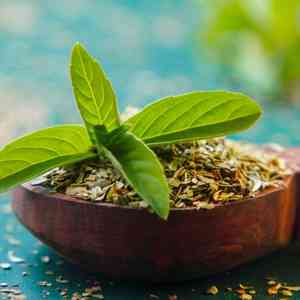
A highly esteemed fragrant perennial in warmer regions, holy basil thrives with consistent trimming to foster a dense growth pattern and greater leaf yield for culinary or therapeutic applications. Nip off the ends to stimulate branching, and excise any flower stems to uphold foliage generation. The ideal time for pruning holy basil extends from the beginning of spring through the end of autumn. Trimming not only boosts the plant's vigor but also deters etiolation, guaranteeing a more compact and robust plant.
What Are the Benefits of Pruning Holy Basil?
What Are the Benefits of Pruning Holy Basil?
Trimming holy basil promotes robust development and maintains its form, leading to a dense and attractive plant. This method fosters the growth of new branches, resulting in a stronger structure.
What Is the Best Time for Pruning Holy Basil?
What Is the Best Time for Pruning Holy Basil?
Pruning holy basil in early spring is optimal as the plant enters its active growth phase. Trimming at this time encourages denser growth and prevents the plant from becoming sparse. By pruning before summer, the risk of disease and pests affecting fresh cuts is minimized. Additionally, throughout the growing season, regular light pruning can be performed to maintain the plant's shape and promote continuous leaf production. As holy basil is a perennial in warm climates, it can also be pruned in late fall to prepare it for winter dormancy; however, in cooler regions, caution is advised to avoid new growth susceptible to frost damage. These periods ensure the plant remains healthy, productive, and recovers quickly from pruning.
What Tools Do I Need to Prune Holy Basil?
Bypass Pruners
Perfect for making clean cuts on holy basil without crushing stems, ensuring healthy regrowth.
Gardening Scissors
Offer precision for shaping holy basil and trimming small leaves or delicate branches.
Shears
Useful for quickly shaping holy basil and managing the plant's overall size.
Gloves
Protect hands from the plant's natural oils during the pruning process of holy basil.
How to Prune Holy Basil
Step1: Timing Pruning to Season
Start pruning holy basil in early spring or late summer. Select a time when the plant is not in bloom to avoid disrupting flower development.
Step2: Disinfecting Pruning Tools
Sanitize your pruning tools with a solution of 1 part bleach to 9 parts water to prevent disease transmission.
Step3: Removing Dead Stems
Identify dead stems by looking for branches that are brown, brittle, and lack green foliage. Cut these stems at the plant's base using sharp, clean shears.
Step4: Excising Diseased Leaves
Inspect holy basil for any diseased leaves, which may show discoloration, spots, or other irregularities. Remove these leaves by cutting them close to the stem, avoiding healthy foliage.
Step5: Shaping and Trimming Overgrowth
Trim overgrown shoots to maintain the desired shape and size of holy basil. Cut just above a leaf node or pair of leaves to encourage bushy growth, leaving at least two-thirds of the shoot intact for healthy regrowth.
Step6: Angled Cutting for Health
Make all cuts at a 45-degree angle to allow water to drain, which helps prevent disease and decay.
Step7: Thinning for Air Circulation
Thinning out dense areas of the plant can improve air circulation, which may help prevent fungal diseases. Remove some of the inner branches by cutting them back to their point of origin.
Step8: Pinching Tips for Bushiness
Pinch off the tips of the stems periodically throughout the growing season to promote a bushier plant and to prevent holy basil from becoming leggy.
Step9: Cleanup of Pruning Debris
After pruning, clear all trimmings and fallen debris from around the base of holy basil to reduce the risk of pests and disease.
Step10: Post-Pruning Watering
Water holy basil deeply after pruning to help reduce stress on the plant and to encourage healthy new growth.
Step11: Monitoring and Regular Pruning
Monitor holy basil after pruning for signs of new growth. Prune regularly, but conservatively, to maintain plant health and desired form, typically every 4 to 6 weeks during the active growing season.
Post-Pruning Care for Holy Basil
Post-Pruning Care for Holy Basil
Immediately after pruning holy basil, ensure it's lightly watered to help reduce stress. Keep holy basil in a warm, well-lit area but out of direct sunlight to prevent scorching its tender foliage. Maintain consistent humidity, avoiding overly damp conditions that can promote fungal infections. Apply a balanced, diluted fertilizer to promote healthy regrowth, but avoid overfeeding which can stress holy basil. Regularly check for signs of wilting, discoloration, or pest activity. If such signs are present, adjust care accordingly to prevent further stress.
Common Pruning Mistakes with Holy Basil
Overly aggressive pruning stresses plants
Pruning too aggressively, removing too much foliage at once, which can stress holy basil and hinder its growth.
Incorrect pruning of old wood limits blooming
Cutting into old wood. Since holy basil primarily blooms on new growth, pruning into the older, woody stems can limit its flowering potential.
Using dull or dirty tools can harm plants
Using dull or dirty pruning tools, which can damage the plant's stems and potentially introduce disease.
Failing to remove dead or diseased foliage spreads disease
Neglecting to remove dead or diseased leaves and stems, which can spread disease and impede the plant's vigor.
Unpurposeful pruning disrupts plant shape and health
Pruning without a clear purpose, such as to shape the plant, encourage bushiness, or remove diseased parts, which can result in an undesirable plant shape and reduced vitality.
Common Pruning Tips for Holy Basil
Pinch back tips for bushy growth and prevent legginess
Regularly pinch back the tips of holy basil to encourage a bushier growth habit and prevent the plant from becoming too leggy.
Use sharp, clean shears for healthy cuts
Always use sharp, clean pruning shears to make clean cuts, which will heal more quickly and reduce the risk of disease.
Remove yellow leaves and spent flowers to improve health
Identify and remove any yellowing leaves, spent flowers, or diseased stems to promote better air circulation and plant health.
Prune above leaves to stimulate new growth
To stimulate a flush of new growth, cut or pinch stems just above a set of growing leaves. The plant will typically respond with new growth at that point.
Prune with plant's natural shape in mind
Be mindful of the plant's natural growth habit, and prune to enhance this shape rather than working against it to ensure that holy basil thrives.
Lightly prune after flowering for more blooms
After the initial harvest or flush of flowers, lightly prune holy basil to encourage another round of flowering and fresh foliage.
Remove inward stems to enhance light and air flow
When pruning, remove any competing stems that are growing inward toward the center of the plant to improve light penetration and air flow.



