How to Prune Sweet basil?
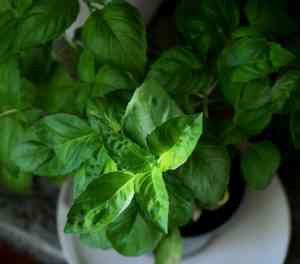
This fragrant cooking herb, recognized for its vibrant green foliage and tasty contributions to dishes, flourishes with consistent trimming. Snip sweet basil at the leaf junctions to encourage denser development. The ideal period for pruning extends from early spring through late autumn, aligning with its vigorous growth phase. Regular collection of leaves also serves as a form of pruning. Refrain from excessive trimming; ensure sufficient foliage remains for light conversion. Trimming boosts output and stops plants from becoming sparse, leading to a hardier and more fragrant specimen.
What Are the Benefits of Pruning Sweet Basil?
What Are the Benefits of Pruning Sweet Basil?
Trimming sweet basil promotes vigorous development and maintains its desired compact shape, ensuring the plant directs energy into producing fresh, aromatic leaves instead of elongated stalks.
What Is the Best Time for Pruning Sweet Basil?
What Is the Best Time for Pruning Sweet Basil?
These periods are considered ideal for trimming sweet basil as they coincide with the plant's active growth phases. Pruning in early spring encourages a strong start to the plant's growth cycle, resulting in a fuller, more vibrant plant. Throughout the growing season, consistent trimming helps maintain the desired form, promotes further bushiness, and prevents the plant from becoming leggy. Pruning should decrease as late autumn approaches to minimize stress and allow the plant to prepare for dormancy. Additionally, since sweet basil is an annual, flowering or fruiting is not a concern for its life cycle; instead, regular trimming aims to boost leaf production, which is the desired harvest from sweet basil.
What Tools Do I Need to Prune Sweet Basil?
Sharp Scissors or Snips
Given the delicate stems of sweet basil, sharp scissors or snips are perfect for making clean cuts without harming the plant. These tools allow for accuracy and can easily navigate through small branches.
Bypass Pruners
For thicker stems or a large quantity of sweet basil plants, bypass pruners are recommended as they provide a clean cut and can handle slightly woody stems without causing bruising or damage.
Gloves
Wearing gloves can shield the gardener's hands from potential irritation caused by sweet basil essential oils and help maintain a firm grip on the pruning tools.
Cleaning Alcohol or Disinfectant
To prevent disease transmission, it's vital to sanitize tools before moving to another plant or even another sweet basil plant. Wiping tools with cleaning alcohol or a plant-safe disinfectant ensures healthy pruning practices.
Plant Ties or Soft Twine
If sweet basil has become leggy or requires support to grow upright, plant ties or soft twine can be used to gently reposition stems without damaging the delicate tissue.
How to Prune Sweet Basil
Step1: Assessment for Pruning Necessities
Evaluate sweet basil for pruning requirements, focusing specifically on older stems, diseased foliage, and withered flowers that need removal for healthy development.
Step2: Pruning Tool Preparation
Prepare clean, sharp pruning shears or scissors to ensure precise cuts and prevent disease spread while trimming sweet basil.
Step3: Identification of Aged Stems
Locate older stems on sweet basil. These are typically thicker, woodier, and may have fewer leaves. They often divert energy from productive growth.
Step4: Cutting of Aged Stems
Trim older stems by making precise cuts about 1/4 inch above a leaf node or pair of leaves. This encourages sweet basil to branch out and produce more foliage.
Step5: Detection of Diseased Leaves
Identify and remove any diseased leaves. Look for leaves with unusual spots, colors, or damage. Removing them prevents the spread of disease and pest issues in sweet basil.
Step6: Removal of Diseased Leaves
Cut off the diseased leaves at the base of the leaf stem, ensuring not to tear or damage the surrounding healthy tissues of sweet basil.
Step7: Deadheading Wilted Flowers
Locate any wilted or spent flowers on sweet basil and pinch or cut them off. This deadheading process stimulates new growth and potentially more flowers.
Step8: Disposal of Pruning Debris
Discard all removed older stems, diseased leaves, and withered flowers in a bin or compost away from sweet basil to prevent potential disease spread.
Step9: Post-Pruning Watering
After pruning, water sweet basil deeply to help it recover and adjust to the trimming. Ensure proper drainage to avoid root rot.
Step10: Monitoring for Regrowth
Monitor sweet basil for new growth following pruning, as regular maintenance will be needed to keep sweet basil healthy and productive.
Post-Pruning Care for Sweet Basil
Post-Pruning Care for Sweet Basil
Immediately after trimming sweet basil, ensure it's gently watered to reduce stress. Maintain a consistent environment with bright, indirect light, and optimal temperatures of 70-80°F. Adjust humidity around 40-60% to support recovery. Apply a balanced, water-soluble fertilizer to replenish nutrients; observe diluted instructions to avoid overfeeding. Monitor sweet basil for wilting, discoloration, or pests, indicating stress or infection. If symptoms appear, adjust care accordingly and consider a mild, organic pesticide for infestations.
Common Pruning Mistakes with Sweet Basil
Excessive Pruning in a Single Session
Cutting too much of sweet basil at once, which can shock the plant and hinder its growth. Removing more than one-third of the plant in a single pruning session is generally too much.
Using Dull or Dirty Pruning Tools
Trimming sweet basil without using clean, sharp tools can introduce disease and damage the stems, leading to poor plant health.
Ignoring Removal of Flower Buds
Neglecting to remove the flower buds as soon as they appear. Allowing sweet basil to flower can decrease the production of flavorful leaves.
Common Pruning Tips for Sweet Basil
Use Sharp, Clean Cutting Tools
Utilize sharp, clean shears or scissors to make precise cuts, which helps prevent damage and disease in sweet basil.
Pinch for Bushier Growth
Pinch off the top sets of leaves to encourage sweet basil to become bushier, which promotes more leaf growth instead of vertical growth and bolting.
Regular Harvesting Stimulates Foliage
Regularly harvest the tips of sweet basil, which not only yields usable leaves but also stimulates the plant to produce new foliage.



