How to Prune Water tupelo?
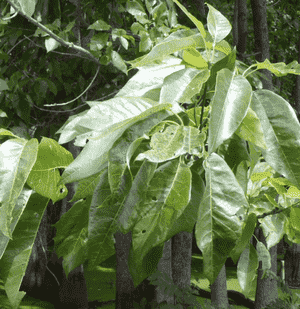
A prominent resident of wetlands, Nyssa aquatica is recognized for its exceptional ability to withstand water and its flared trunk. Trimming efforts should concentrate on eliminating deceased or compromised limbs, thinning for improved air circulation, and sculpting for aesthetic form. The optimal period for pruning is in early spring or late winter, aligning with the plant's dormant phase to minimize strain. Pruning boosts overall well-being by lowering susceptibility to ailments and facilitates easier collection of its tupelo gum. Accuracy is crucial to avert superfluous damage, guaranteeing a sturdy, enduring plant.
What Are the Benefits of Pruning Water Tupelo?
What Are the Benefits of Pruning Water Tupelo?
Trimming water tupelo encourages robust development and maintains its form. Strategic cuts improve air flow, deter pests, and stimulate the growth of strong, healthy limbs, optimizing the tree's overall vigor and shape.
What Is the Best Time for Pruning Water Tupelo?
What Is the Best Time for Pruning Water Tupelo?
Pruning water tupelo in late winter to early spring is optimal as the plant is dormant then. Trimming before spring growth begins allows the plant to recover without stressing active growth. This timing also reduces the risk of fungal infections and other diseases that can affect open wounds in warmer, wetter seasons. Additionally, without leaves, water tupelo's structure is clearer, enabling more precise cuts. Pruning before spring growth ensures a strong new growth season for water tupelo, maintaining its health and vitality.
What Tools Do I Need to Prune Water Tupelo?
Bypass Pruners
Ideal for making clean cuts on young or small branches of water tupelo, preventing disease and wood damage.
Loppers
Offer leverage to cut through thicker water tupelo branches too large for pruners. This tool is effective for reaching into the canopy without harming surrounding growth.
Pruning Saw
Crucial for removing larger limbs from mature water tupelo trees, where clean cuts are needed for proper wound healing.
Pole Pruner
Enables pruning higher water tupelo branches without a ladder, ensuring safety while maintaining the tree's shape.
How to Prune Water Tupelo
Sanitize
Before pruning water tupelo, clean your cutting tools to prevent disease spread. Sterilize shears, saws, and loppers with alcohol or bleach solution.
Inspect
Carefully examine water tupelo for any dead or diseased branches. These often appear discolored, brittle, and may show signs of fungal growth or insect damage.
Prune Dead
Using sharp, sanitized cutting tools, remove dead branches by cutting where they meet healthy wood. Make clean cuts to avoid tearing bark, which can harm water tupelo's health.
Prune Diseased
Prune diseased branches on water tupelo, cutting well below affected areas into healthy wood. Ensure all diseased tissue is removed to prevent further infection.
Dispose
After pruning, properly dispose of dead and diseased branches. Do not compost them as this may spread disease. Clean your tools again to prevent cross-contamination.
Common Pruning Mistakes with Water Tupelo
Over-Pruning
Cutting back too much of water tupelo can stress the tree, leading to a weak structure or poor health.
Improper Cuts
Making pruning cuts incorrectly or at wrong angles can damage water tupelo and invite disease.
Ignoring Diseased Limbs
Failing to remove damaged or diseased branches promptly can allow the problem to spread throughout water tupelo.
Topping
Topping, or cutting off the upper portion of water tupelo, can lead to decay and weak, spindly growth.
Common Pruning Tips for Water Tupelo
Sharp Tools
Use sharp, clean pruning tools to make precise cuts that heal quickly on water tupelo, reducing disease risk.
Selective Thinning
Thin out crowded limbs to improve air circulation and light penetration, promoting a healthier water tupelo.
Protect The Collar
When removing larger branches, cut just outside the branch collar to encourage proper healing and prevent damage to water tupelo's trunk.
Remove Suckers
Regularly remove suckers from the base of water tupelo to redirect energy to the main trunk and branches.
Prune For Structure
Focus on shaping water tupelo for a strong branch structure rather than sheer size, as a balanced form supports better overall health.



