How to Prune Love-in-a-mist?
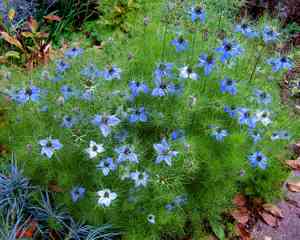
Showcasing fine, plume-like leaves and a distinctive blossom arrangement, Nigella damascena flourishes with infrequent trimming, primarily for shaping or eliminating faded flowers, thereby stimulating further blooming. The optimal time for pruning extends from early spring through late autumn, following the flowering phase, to deter unwanted self-seeding. Pruning sustains the plant's robustness, enhances air movement, and manages its expansion. Employ sanitized cutting tools to avert the spread of pathogens. Well-timed snips contribute to the garden's visual appeal and the well-being of Nigella damascena.
What Are the Benefits of Pruning Love-in-a-mist?
What Are the Benefits of Pruning Love-in-a-mist?
Trimming love-in-a-mist promotes robust development and preserves its charming form. By selectively removing excess growth and faded blossoms, it revitalizes the plant's vitality and ensures a compact, neat appearance ideal for garden aesthetics.
What Is the Best Time for Pruning Love-in-a-mist?
What Is the Best Time for Pruning Love-in-a-mist?
Trimming love-in-a-mist in early spring stimulates new growth, clearing out dead or weakened stems from winter and making space for fresh sprouts. It aligns with love-in-a-mist's rapid growth phase as the weather warms. Late fall pruning is ideal for shaping the plant and removing spent flowers after love-in-a-mist has completed its annual flowering and seed-setting cycle, promoting plant health and vigor for the following season. These times avoid cutting during flowering, ensuring full displays of love-in-a-mist's characteristic blooms.
What Tools Do I Need to Prune Love-in-a-mist?
Bypass hand pruners
Perfect for making clean cuts on love-in-a-mist's delicate stems, bypass pruners offer precision without causing unnecessary damage to the plant.
Gardening scissors
Ideal for snipping dead or overgrown foliage of love-in-a-mist, gardening scissors can maneuver easily between its fine leaves.
Floral snips
Floral snips provide gentle handling and accuracy needed for the regular deadheading of love-in-a-mist, promoting continuous blooming.
Pruning shears
Love-in-a-mist's mature plants may require thinning. Pruning shears can effortlessly cut through multiple stems without harming the plant's overall shape.
How to Prune Love-in-a-mist
Step1: Inspect for Dead Blooms Post-Flowering
Examine love-in-a-mist after blooming to identify faded flowers that need to be trimmed. This typically occurs when the blossoms have withered and petals have dropped.
Step2: Prune Below Dead Flower Heads
Using clean, sharp secateurs or scissors, carefully snip the stem just below the dead flower head. Make the cut at a 45-degree angle, about 1/4 inch above a leaf node or secondary branch to encourage new growth.
Step3: Remove Damaged Stems and Discoloration
Remove only the dead flowers and any associated stem discoloration or damage. Avoid cutting into the main branches unless removing dead or diseased portions.
Step4: Dispose of Pruned Plant Material
Discard the trimmed flower heads and any other plant debris to minimize the risk of disease and pests.
Step5: Monitor Plant for New Growth
Observe the plant for new growth. Removing spent flowers encourages love-in-a-mist to produce more blooms and can sometimes extend the flowering season.
Step6: Retain Seed Pods for Self-Seeding
Consider leaving some faded flowers if you wish love-in-a-mist to self-seed for the following season, as love-in-a-mist can produce attractive seed pods that also add interest to the garden.
Step7: Clean Tools After Pruning
Sanitize your pruning tools after finishing to prevent the spread of any potential plant diseases.
Post-Pruning Care for Love-in-a-mist
Post-Pruning Care for Love-in-a-mist
Immediately after trimming love-in-a-mist, maintain a lightly moist soil free of standing water to prevent root rot. Adjust sheltering to provide dappled sunlight, protect from strong winds, and sustain a moderate humidity level to foster recovery. Apply a balanced, slow-release fertilizer to nourish growth. Regularly inspect for wilting or yellowing leaves, indicative of stress. At signs of infection, such as unusual spots or decay, act promptly with appropriate fungicides or pest control measures. Consistent post-pruning vigilance ensures love-in-a-mist's vitality.
Common Pruning Mistakes with Love-in-a-mist
Avoid Excessive Pruning of Plants
Over-trimming can be detrimental to the health and aesthetic of love-in-a-mist. Some gardeners may cut back the plant too severely, disturbing its natural growth pattern and potentially reducing its vigor and bloom.
Do Not Neglect Deadheading for Better Blooms
Neglecting to remove spent flowers or 'deadheading' is a common oversight. Without deadheading, love-in-a-mist may divert energy into seed production rather than continued flowering, reducing the season's overall floral display.
Use Clean, Sharp Tools for Healthy Cuts
Using unclean or dull pruning tools can damage the stems of love-in-a-mist, leaving jagged cuts that are more susceptible to disease and pests.
Prune at Correct Growth Stage for Flowering
Pruning at the wrong stage of growth could result in fewer flowers. Gardeners may mistakenly prune immediately after flowering without allowing time for seeds to form, which some gardeners desire for self-sowing.
Common Pruning Tips for Love-in-a-mist
Ensure Clean Cuts with Sharp Pruning Tools
Use sharp, clean pruning shears or scissors to make clean cuts on love-in-a-mist, which help promote quicker healing and reduce the risk of disease.
Deadhead Spent Flowers to Boost Blooming
Deadhead love-in-a-mist by snipping off the spent flowers at the base of flower stalk just above the next bud or leaf to encourage more blooms and a tidy appearance. Be mindful to leave some seed pods if you want love-in-a-mist to self-sow.
Prune Lightly to Maintain Natural Plant Shape
For shaping or controlling the size of love-in-a-mist, prune lightly and selectively to maintain the plantâs natural, airy form rather than shearing back heavily, which could lead to a less attractive growth habit.
Thin Out for Plant Health and Air Circulation
To maintain plant health, occasionally thin out love-in-a-mist by removing weak, damaged, or overcrowded stems at the base to improve air circulation and reduce the likelihood of fungal diseases.
Fertilize and Water After Pruning for Recovery
After pruning, apply a balanced fertilizer to provide love-in-a-mist with the necessary nutrients to support regrowth and flowering. Water the plant adequately, especially during dry periods, to facilitate its recovery.



