How to Prune Tobacco?
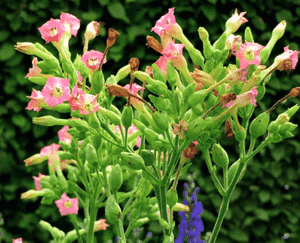
Grown for its foliage utilized in various items, tobacco necessitates meticulous trimming to boost leaf dimensions and excellence. Eliminate side shoots and bottom leaves to channel vitality upward. Perform pruning from early spring through late autumn, refraining from winter to avert harm. Advantages encompass better air movement, illness avoidance, and greater harvests. Precision in severing guarantees more vigorous, sturdy plants.
What Are the Benefits of Pruning Tobacco?
What Are the Benefits of Pruning Tobacco?
Trimming tobacco encourages robust development and maintains its desired form. Regular cutting can prevent excessive growth and stimulate the production of superior-quality leaves, which are essential for its commercial value.
What Is the Best Time for Pruning Tobacco?
What Is the Best Time for Pruning Tobacco?
Pruning in early spring allows for the removal of any damaged or diseased sections prior to the new growth cycle, fostering healthy development and a strong plant structure. This timing also minimizes stress to tobacco, facilitating a vigorous start for the upcoming growing season. Trimming in late fall is beneficial as it helps manage the size and shape of tobacco after the active growth period has ended. This post-harvest pruning aids in preparing tobacco for dormancy, reducing the likelihood of disease and pest infestations during colder months when the plant's defenses are lower.
What Tools Do I Need to Prune Tobacco?
Hand Pruners
These are perfect for cutting through small stems and branches of tobacco. Their precision ensures clean cuts that promote healthy regrowth.
Shears
When shaping or reducing the plant's size, shears provide a quick and effective method for cutting leaves and soft stems.
Loppers
For larger stems that hand pruners cannot manage, loppers offer the necessary leverage and power, ensuring a clean cut without harming tobacco.
Pruning Saw
If tobacco has old, woody stems, a pruning saw is suitable for removing them without stressing the rest of the plant.
Gloves
To shield the gardener's hands from tobacco's sticky sap and any sharp edges, durable gloves are crucial for safety during the pruning process.
How to Prune Tobacco
Step1: Inspect Plant for Yellow Leaves and Withered Branches
Examine tobacco carefully to identify all yellow leaves and withered branches that need pruning. Ensure the plant is well-watered the day before to reduce stress during the pruning process.
Step2: Sterilize Pruning Tools
Sanitize your pruning tools using a solution of one part bleach to nine parts water to prevent the spread of disease.
Step3: Locate Yellow Leaf Base
Start with the yellow leaves. Find the base of each yellow leaf where it connects to the main stem or branch.
Step4: Cut Yellow Leaves Near Main Stem
Make a clean cut to remove the yellow leaf, ensuring the cut is as close to the main stem without causing damage. Use sharp, precise snips to avoid tearing the plant tissue.
Step5: Remove All Yellow Leaves
Continue to remove all yellow leaves from the plant, working systematically to ensure none are missed. Dispose of the removed leaves properly, away from the garden area.
Step6: Identify Withered Branches
Next, identify withered branches. These are branches that appear dry, brittle, and no longer produce foliage or flowers.
Step7: Prune Withered Branches Above Buds
Prune withered branches by making a diagonal cut at a 45-degree angle, approximately 1/4 inch above a healthy bud or branch intersection. This promotes better healing and future growth.
Step8: Remove All Withered Branches Cleanly
Remove all withered branches from the plant, ensuring the cuts are clean and smooth. Avoid leaving any stubs as they can be entry points for pests and diseases.
Step9: Clean and Sterilize Tools Post-Pruning
After completing the pruning process, clean and re-sterilize the tools to maintain their condition and effectiveness for future use.
Step10: Dispose of Pruned Material Safely
Dispose of all pruned material by burning or bagging to prevent any potential disease from spreading in the garden area.
Step11: Monitor Plant for New Growth
Monitor the tobacco after pruning for signs of new growth. Proper pruning should encourage healthier, more vigorous growth.
Step12: Water Plant After Pruning
Water the plant moderately after pruning to help reduce stress on the tobacco and settle the soil around the roots.
Post-Pruning Care for Tobacco
Post-Pruning Care for Tobacco
Immediately after pruning tobacco, ensure clean cuts to prevent infection and apply a water-based antiseptic to wounds. Optimal recovery requires a humid, stable environment; maintain temperatures of 68-86°F and avoid direct sunlight. Adjust irrigation to increased transpiration rates while avoiding waterlogging. Resume fertilization with a balanced N-P-K formula two weeks post-pruning, enhancing root and foliage recovery. Monitor tobacco for wilting, discoloration, or pest activity, indicative of stress or disease. Immediate intervention with tailored treatments is crucial for any adverse signs.
Common Pruning Mistakes with Tobacco
Excessive Pruning Reduces Yield and Delays Bloom
Over-pruning, which can lead to diminished yields and postponed flowering in tobacco.
Unsanitized Tools Risk Spreading Disease
Pruning without sanitizing tools, potentially introducing harmful pathogens to tobacco.
Indiscriminate Pruning Disrupts Growth Patterns
Pruning without careful consideration, disregarding the natural growth habit and health of individual tobacco stems.
Neglecting Diseased Foliage Compromises Health
Ignoring dead or diseased leaves and stems during pruning, which can impact the overall vitality of tobacco.
Inadequate Care After Pruning Hinders Recovery
Failing to provide tobacco with sufficient post-pruning care, such as proper watering and fertilization to support recovery.
Common Pruning Tips for Tobacco
Clean Cuts with Sharp Shears Promote Healing
Use clean, sharp pruning shears to make precise cuts on tobacco, which helps minimize damage and stress to the plant.
Remove Dead Foliage to Boost Health and Airflow
Focus pruning efforts on removing dead or diseased leaves and stems to improve air circulation and the overall health of tobacco.
Thin Crowded Areas for Better Light and Air
Thin out congested areas to enhance light penetration and airflow, which are vital for the growth and quality of tobacco's leaves.
Encourage Branching by Topping
Top tobacco by removing the tip of the main stem to encourage lateral branching and increased leaf production.
Fertilize After Pruning to Replenish Nutrients
After pruning, apply a balanced fertilizer to tobacco to support new growth and replenish nutrients that may have been used during recovery.



