How to Prune Silk-reed?
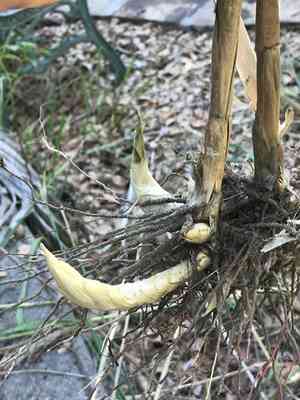
A towering, cluster-forming grass, silk-reed is distinguished by its plume-like flower clusters and serrated foliage. Trimming should take place in early spring or during winter prior to vigorous development, to preserve its form and stimulate robust new stalks. Eliminate deceased or compromised stems, severing them near the soil level, and thin congested sections to ensure proper air movement. Consistent trimming of silk-reed improves its aesthetic appeal and deters unwanted self-propagation, which can be aggressive. Wear protective gloves to guard against the pointed leaves.
What Are the Benefits of Pruning Silk-reed?
What Are the Benefits of Pruning Silk-reed?
Trimming silk-reed promotes robust development and helps maintain its desired form, ensuring a neat look and fostering overall plant vitality.
What Is the Best Time for Pruning Silk-reed?
What Is the Best Time for Pruning Silk-reed?
Pruning silk-reed in early spring is advantageous as it coincides with the start of its active growth phase, allowing silk-reed to recover quickly from cuts and direct energy into new growth. Pruning at this time helps preserve the plant's shape, encourages denser foliage, and removes any winter damage. Winter is another suitable time for pruning, especially late winter, just before spring growth begins. During winter, silk-reed's growth is typically dormant, minimizing pruning stress. It's also easier to see silk-reed's structure without leaves and identify dead or diseased wood for removal. Winter pruning helps rejuvenate silk-reed for vigorous growth in the upcoming season.
What Tools Do I Need to Prune Silk-reed?
Bypass Pruners
Perfect for making clean cuts on young or small diameter stems. Their scissor-like action ensures precise cuts without crushing silk-reed's stems, promoting plant health.
Lopping Shears
Feature long handles for leverage to trim thicker branches of silk-reed, which might be too large for hand pruners.
Pruning Saw
Required for cutting stems and branches with diameters exceeding what lopping shears can handle. Silk-reed may develop thick, mature stems that necessitate a saw's power.
Hedge Shears
Useful for shaping and trimming silk-reed's foliage when a more manicured appearance is desired. Hedge shears can quickly cut through multiple slender stems simultaneously.
Gloves
Crucial for protecting the gardenerâs hands from the potential roughness of silk-reed's stems and leaves, as well as from any sharp tool edges.
How to Prune Silk-reed
Disinfect tools
Before beginning the pruning process, thoroughly clean and sanitize all pruning tools to prevent the spread of diseases to silk-reed.
Remove diseased leaves
Carefully inspect silk-reed for signs of diseased leaves, which may show unusual spots, discoloration, or decay. Use sharp, clean pruning shears to remove any affected leaves by cutting at the base where the leaf stem meets the main stalk.
Remove withered leaves
Identify withered or old leaves on silk-reed that are dry, brown, or brittle. Prune these leaves in the same manner as diseased ones, ensuring cuts are made close to the base to encourage healthy new growth.
Clean cut areas
After trimming, gently brush away any debris from the cut areas to keep the plant tidy and reduce the risk of fungal diseases taking hold on silk-reed.
Dispose of waste
Properly dispose of diseased and withered leaves by removing them from the vicinity of silk-reed to lessen the likelihood of disease transmission or pest attraction.
Common Pruning Mistakes with Silk-reed
Dull tools
Using blunt pruning tools can harm silk-reed's stems, creating jagged cuts vulnerable to disease and pests.
Over pruning
Removing too much foliage from silk-reed at once can shock the plant and hinder its development.
Improper cut location
Cutting too close or too far from the node on silk-reed can either damage the plant's growth points or leave unsightly stubs that do not heal correctly.
Neglecting tool hygiene
Failing to sanitize tools before and after pruning silk-reed can spread disease among plants.
Pruning homogenous sections
Not considering the natural shape and growth pattern of silk-reed when pruning can lead to an unbalanced and unnatural appearance.
Pruning without plan
Pruning silk-reed without a clear objective can result in excessive or inappropriate cuts that don't enhance the plant's health or appearance.
Common Pruning Tips for Silk-reed
Sharp tools
Always use sharp, clean pruning shears or scissors to make precise cuts that promote quick healing for silk-reed.
Selective pruning
Selectively remove only dead, diseased, or overcrowded stems of silk-reed to maintain good airflow and plant structure.
Cut angle
Make cuts at a 45-degree angle just above a leaf node or side branch on silk-reed to encourage new growth and prevent water accumulation.
Staggered pruning
Practice staggered pruning on silk-reed by alternating the stems you prune each season to maintain the plant's fullness and balance.
Post pruning care
After pruning silk-reed, provide adequate water and a balanced fertilizer to support recovery and new growth.
Natural shape
Respect the natural form of silk-reed when pruning to preserve its characteristic flowing shape.



