How to Prune Catnip?
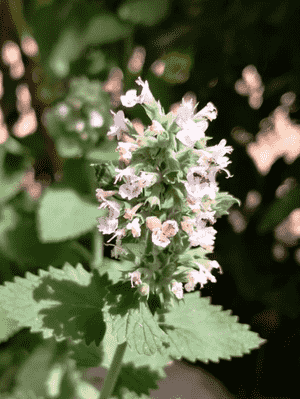
Cherished for its fragrant leaves that entice felines, catnip flourishes with regular trimming. Cut back after the initial blossoming to stimulate a subsequent flowering, concentrating on leggy and spent stalks. Lightly prune between early spring and late summer to preserve form and foster robust development. Eliminating aged growth can boost leaf thickness and improve vigor. Refrain from severe pruning late in the season to safeguard delicate new growth from cold weather harm.
What Are the Benefits of Pruning Catnip?
What Are the Benefits of Pruning Catnip?
Trimming catnip boosts its vitality and maintains its shape. By cutting back overgrown stalks, plants direct energy into producing fresh, healthy leaves and blossoms, ensuring a compact and appealing form.
What Is the Best Time for Pruning Catnip?
What Is the Best Time for Pruning Catnip?
Trimming catnip in early spring allows for the removal of dead or damaged stems before the plant resumes active growth, ensuring energy is focused on healthy development. Late summer pruning coincides with post-blooming, which revitalizes catnip and encourages a second flush of growth before dormancy. These timings prevent stress on catnip's growth cycle and avoid cutting back when essential pollinators are active or when catnip is setting seed.
What Tools Do I Need to Prune Catnip?
Hand Pruners
Ideal for clipping stems and small branches of catnip, these tools provide a clean cut and are perfect for shaping and removing spent foliage.
Pruning Shears
Designed for precision, they enable selective trimming of catnip to maintain plant health and encourage denser growth.
Gardening Gloves
Crucial for protecting hands from scratches and natural oils when handling catnip.
Garden Scissors
Useful for trimming soft stems of catnip, removing faded flowers, and cutting back minor growth.
How to Prune Catnip
Step1: Old Growth Inspection
Examine catnip for old growth, which typically appears with tougher stems and has been on the plant for over a year. This type of growth tends to be less vigorous and may not produce as many flowers.
Step2: Sterilize Pruning Shears
Sanitize your pruning shears with rubbing alcohol or a bleach solution to prevent the spread of diseases. Clean tools contribute to a healthier trimming process.
Step3: Prune Old Growth Stems
Cut back old growth stems at their base where they emerge from the ground or from their originating node. Make the cut at a 45-degree angle approximately 1/4 inch above a leaf node to encourage new growth.
Step4: Identify Flowers for Deadheading
Identify wilted flowers and prepare to deadhead, which improves the plant's appearance and stimulates further blooming.
Step5: Snip Wilted Flowers
Snip off the wilted flowers, cutting back to just above a set of healthy leaves or a new growth point. This will allow catnip to redirect energy to producing new blossoms and foliage.
Step6: Locate Damaged Stems
Find any damaged stems, which might be broken, bent, diseased, or infested with pests. These can compromise the health of catnip and should be removed promptly.
Step7: Prune Damaged Stems
Trim the damaged stems by cutting them off at the point of healthy tissue. If the damage is close to the base of the plant, remove the entire stem.
Step8: Shape Plant Post-Pruning
After trimming, shape catnip as desired by trimming longer stems to maintain a neat and tidy appearance. Aim to create a natural shape that allows for good air circulation and light penetration.
Step9: Dispose of Clippings
Clean up all clippings and dispose of them, especially any diseased or pest-ridden plant material, to prevent issues from spreading in the garden.
Step10: Water and Mulch
Water the plant lightly, and add a layer of mulch around the base to promote a healthy growing environment.
Step11: Monitor New Growth
Monitor catnip for new growth, which should emerge from the pruning points. Continue to deadhead and shape catnip throughout the growing season to encourage a compact, lush form.
Post-Pruning Care for Catnip
Post-Pruning Care for Catnip
Immediately after trimming catnip, ensure it's placed in an environment with moderate light and stable temperatures to reduce stress. Maintain consistent, light watering to keep the soil moist, but not waterlogged. A light application of balanced fertilizer supports recovery, but avoid over-fertilization. Monitor catnip for wilt or discoloration, indicators of stress or disease. If signs appear, adjust care and consult a specialist if needed. Regular gentle handling of pruned areas helps detect issues early for prompt intervention.
Common Pruning Mistakes with Catnip
Overpruning Shocks Plant Growth
Trimming catnip too aggressively, which can shock the plant and hinder its growth.
Damaging Stems with Dull Tools
Using dull or unclean trimming tools that could damage the stems of catnip and introduce disease.
Excessive Foliage Removal Limits Photosynthesis
Removing too much foliage, which can reduce the photosynthesis needed for catnip to thrive.
Incorrect Pruning into Woody Stems
Trimming into the woody part of older stems where new growth may not readily emerge.
Failure to Deadhead Spent Flowers
Neglecting to deadhead or remove spent flowers, which can prematurely signal to catnip that the growing season is over, reducing further blooms.
Common Pruning Tips for Catnip
Sharp, Clean Cuts with Proper Tools
Utilize sharp, clean trimming shears to make clean cuts without harming catnip's delicate stems.
Trim Top Growth for Bushier Plants
Focus on trimming back the top one-third of the growth to promote bushier growth and more flowering sites.
Pinch Tips to Promote Branching
Pinch off the tips of catnip regularly to encourage branching and prevent legginess.
Remove Dead Foliage to Prevent Disease
Remove dead or damaged foliage to maintain plant health and prevent potential disease spread.
Deadheading for Continuous Blooms
Deadhead spent blooms to encourage continued flowering throughout the growing season.
Cuts Above Leaves for Directed Growth
When shaping catnip, make your cuts just above a set of leaves or branching point to promote new growth in a desired direction.
Thinning Mature Stems for Plant Revival
For mature catnip plants, selective thinning of older stems can refresh the plant and incite new growth from the base.



