How to Prune North's false flag?
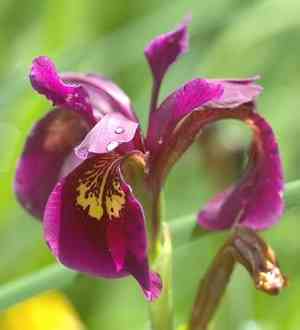
This enduring evergreen plant features blade-like foliage and blossoms resembling irises. For north's false flag, remove faded blooms and discolored leaves to stimulate development. Eliminate aged, compromised, or excessively large foliage from the plant's base. After flowering in spring or summer, sever the flower stalks to reallocate energy. Undertaking minor trimming in spring, summer, or autumn boosts vitality and visual appeal. Pruning is generally not essential for plant health but improves its look and prevents excessive density. A disinfected cutting implement minimizes the chance of disease.
Advantages of Trimming North's False Flag
Advantages of Trimming North's False Flag
Trimming north's false flag promotes more robust development by channeling energy towards fresh, healthy growth. Consistent shaping helps preserve its form, ensuring a compact and visually appealing look.
Optimal Period for Trimming North's False Flag
Optimal Period for Trimming North's False Flag
Trimming north's false flag in Spring coincides with its post-dormancy phase when the plant initiates active growth, making it perfect for shaping and stimulating vigorous new development. Early Summer pruning is beneficial for removing any faded blooms or damaged growth from flowering, without affecting the subsequent flowering cycle. Fall pruning is ideal for eliminating old or dead foliage and assisting the plant in conserving energy before its Winter dormancy. These periods ensure north's false flag can recover quickly and maintain its health and appearance without disrupting its natural growth and blooming patterns.
Tools Required for Trimming North's False Flag
Bypass Pruners
Perfect for making clean cuts on north's false flag's leaves and slender stems, minimizing harm to plant tissues.
Sharp Scissors
Useful for precise trimming of north's false flag's leaves or removing dead or yellowed foliage without damaging adjacent plant parts.
Gloves
Hand protection for the gardener when handling north's false flag, ensuring cleanliness and safety.
Cleaning Alcohol
For sterilizing tools before and after trimming north's false flag, preventing disease transmission.
How to Trim North's False Flag
Sanitize Tools
Before beginning to trim north's false flag, ensure all pruning tools are disinfected to prevent disease spread. Use a solution of 1 part bleach to 9 parts water or rubbing alcohol to clean tools between cuts, especially when removing diseased material.
Remove Ailing Leaves
Carefully inspect north's false flag for diseased leaves. Using clean, sharp pruning shears, snip off the affected leaves at their base, near the main stem. Dispose of these leaves in the trash to prevent disease spread and not in the compost pile.
Trim Withered Foliage
Identify any withered or yellowing leaves on north's false flag. Remove these by snipping them off where the leaf stem meets the main stalk or shoot. This will encourage healthy growth and enhance the plant's overall look.
Cut Dead Branches
Locate dead or dying branches on north's false flag. They are typically dry, brittle, and may have a different color than healthy branches. Prune these branches back to a healthy section or completely remove them at the base if the entire branch is dead.
Trim Diseased Branches
When trimming diseased branches on north's false flag, make cuts at least several inches below the diseased sections to ensure removal of all affected tissue. After each cut, remember to disinfect the pruning tools to avoid contaminating healthy parts of the plant.
Common Trimming Errors with North's False Flag
Excessive Pruning
Removing too much foliage from north's false flag can stress the plant and reduce its vitality. It's important to prune no more than one-third of the total growth to maintain plant health.
Incorrect Cuts
Cutting too close to the main stem or leaving large stubs can create entry points for pests and disease. Make clean cuts that are angled away from the stem to promote healing.
Trimming At Wrong Time
Even though the pruning season is not to be mentioned, trimming north's false flag at inappropriate stages of growth can hinder flowering and damage new shoots.
Using Unclean Tools
Using unsanitized pruning tools can spread disease between plants. It is crucial to clean and disinfect tools before use to protect the health of north's false flag.
Neglecting Deadheading
Failing to remove spent flowers can lead to wasted energy on seed production rather than new growth and blooms. Regular deadheading encourages north's false flag to produce more flowers.
General Trimming Advice for North's False Flag
Examine Plant
Carefully inspect north's false flag before trimming to identify overcrowded areas or those with dead or diseased tissue. This focused approach ensures only necessary cuts are made.
Sharp Tools
Use sharp, clean pruning shears to make precise cuts. This ensures that pruning cuts are clean and do not harm north's false flag beyond the intended removal.
Proper Cuts
When cutting back, make angled cuts above a leaf node or a set of leaves to encourage new growth in north's false flag. This also helps prevent water accumulation on the cut surface that can lead to rot.
Shape Maintenance
Trim north's false flag to preserve its natural form, selectively removing to enhance its appearance while maintaining its structural integrity.
Promote Air Circulation
Thin out dense areas to increase light penetration and air circulation throughout north's false flag, which can help prevent disease and promote even growth.



