How to Prune Cape jewels?
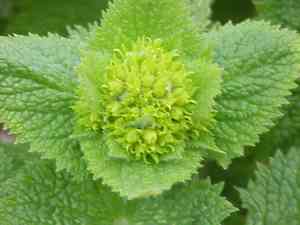
Renowned for its vivid blossoms and dense appearance, cape jewels flourishes with consistent trimming. Eliminate spent or discolored flowers to stimulate additional flowering and shorten elongated stems to foster a more compact form. The ideal period for pruning extends from early spring through late autumn, aligning with its active growth cycles. Pruning not only preserves its visual appeal but also encourages fresh development and an extended bloom duration, crucial for cape jewels's decorative value.
What Are the Benefits of Pruning Cape Jewels?
What Are the Benefits of Pruning Cape Jewels?
Trimming cape jewels promotes robust development and maintains its desired shape. Regular removal of spent blossoms encourages more flowers and a fuller appearance.
What Is the Best Time for Pruning Cape Jewels?
What Is the Best Time for Pruning Cape Jewels?
Cutting back cape jewels in early spring stimulates healthy new growth as the plant emerges from its dormant winter period. Pruning at this time allows gardeners to shape the plant and eliminate any damaged or dead material before the onset of vigorous growth. Reducing growth in late fall, after flowering has ceased, helps prepare cape jewels for dormancy and can prevent disease and pest issues during cooler, wetter conditions. These timings ensure cape jewels's energy is directed towards producing strong growth and abundant blooms in its active seasons.
What Tools Do I Need to Prune Cape Jewels?
Hand Pruners
Ideal for precise cuts on cape jewels's delicate stems, minimizing harm to the plant's structure.
Pruning Shears
Perfect for shaping cape jewels and removing faded flowers to encourage reblooming, providing a clean cut that fosters healthy growth.
Scissors
Cape jewels has slender stems that may only require the use of sharp scissors for light trimming and deadheading, which is beneficial for maintaining plant aesthetics and vitality.
How to Prune Cape Jewels
Step1: Sterilization of Pruning Tools
Sanitize your pruning shears before starting to prevent the spread of disease. Use a solution of one part bleach to nine parts water or rubbing alcohol to clean your tools.
Step2: Identification of Dead Flowers
Examine cape jewels closely to locate the dead flowers. Look for blossoms that have lost color, shriveled, or have begun forming seed pods.
Step3: Cutting Off Dead Blossoms
Using your sterilized shears, snip off the dead flowers at their base, just above the first set of healthy leaves. Make clean cuts to prevent tearing that can invite disease.
Step4: Isolating Withered Stems
Identify withered stems, which are those that appear brown or dry and show no signs of green growth or live buds. Withered stems may occur after blooming or due to stress.
Step5: Pruning Withered Stems
Cut back the withered stems to the base or to the point of healthy growth. Make the cuts at a 45-degree angle to facilitate water runoff and help prevent disease
Step6: Shears Sanitization Between Cuts
After each pruning cut, clean your shears with the bleach solution or rubbing alcohol to avoid transferring pathogens from the dead tissue to healthy parts of cape jewels.
Step7: Shaping the Plant
Shape cape jewels by trimming any overgrown areas to maintain a pleasing appearance. Shape cuts should be made just above a leaf node or branching point to encourage bushier growth.
Step8: Disposal of Pruned Material
Dispose of all removed material in a compost pile or bin, unless it shows signs of disease. In that case, dispose of it with household waste to prevent contamination.
Step9: Post-Pruning Watering
Water cape jewels lightly after pruning to help reduce stress on the plant and support recovery.
Step10: Post-Pruning Monitoring and Care
Monitor cape jewels for signs of new growth and continue with routine care, including proper watering, feeding, and deadheading to promote a prolonged blooming period.
Post-Pruning Care for Cape Jewels
Post-Pruning Care for Cape Jewels
After pruning cape jewels, immediately water the soil to help reduce stress. Maintain a humid environment without wetting leaves directly to prevent disease. Provide cape jewels with indirect sunlight and keep at a temperature range of 60-70°F. Fertilize with a balanced liquid fertilizer to support new growth. Monitor cape jewels for wilted or discolored foliage, which may indicate stress or disease. If such signs appear, adjust care and consult a horticulturist.
Common Pruning Mistakes with Cape Jewels
Over-Pruning Reduces Photosynthesis
Pruning too aggressively can lead to a weakened cape jewels, as removing too much foliage reduces its ability to photosynthesize effectively which can stunt growth.
Using Dull or Dirty Tools Damages Stems
Using dull or dirty pruning tools is a common misstep. This can cause jagged cuts that are susceptible to disease and may damage delicate cape jewels stems.
Ignoring Dead or Diseased Growth Attracts Pests
Neglecting to remove dead or diseased flowers and stems may attract pests or lead to infections that can compromise the health and aesthetics of cape jewels.
Excessive Pruning Causes Plant Stress
Frequent and unnecessary pruning can lead to stress, causing cape jewels to produce fewer blooms or become more susceptible to environmental stressors.
Common Pruning Tips for Cape Jewels
Clean Cuts with Sharp Shears for Quick Healing
Making clean cuts with sharp, sanitized pruning shears is crucial to prevent damaging cape jewels stems and to promote quick healing.
Pinching Tips Encourages Bushier Growth
Pinching back the tips of cape jewels can encourage bushier growth and more abundant flowering.
Deadheading Stimulates New Blooms
Regularly deadheading, or removing spent blooms, will stimulate cape jewels to produce new flowers, thereby extending the blooming period.
Cutting Back Prompts Second Growth Wave
Cutting back cape jewels to the base of the flowering stem after the initial flush of blooms can often prompt a second wave of growth and flowering.
Thinning Reduces Fungal Infections
Thin out crowded areas to improve air circulation for cape jewels, which helps prevent fungal infections that thrive in moist, stagnant conditions.



