How to Prune Wild daffodil?
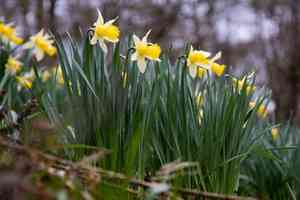
Celebrated for its vivid, horn-shaped flowers, wild daffodil flourishes with infrequent trimming. Following blooming, remove faded flowers to enhance bulb strength. Yearly elimination of dried leaves, exclusively once they have turned yellow, guarantees energy is channeled back to the bulb. The period from late winter to early spring represents the ideal time for pruning, coinciding with its resting phase and before new growth. Trimming contributes to general well-being, directing the plant's energy toward strong future blossoms.
Advantages of Trimming Wild Daffodil
Advantages of Trimming Wild Daffodil
Trimming wild daffodil promotes vigorous development and helps maintain its desired form, ensuring it remains an appealing element in gardens.
Optimal Time for Pruning Wild Daffodil
Optimal Time for Pruning Wild Daffodil
Late winter and early spring are considered ideal for pruning wild daffodil as these periods coincide with the end of dormancy and precede the emergence of new growth. Pruning during late winter prepares wild daffodil for a strong growth cycle as temperatures rise. Early spring pruning allows for the removal of any winter damage before the plant directs energy into new spring growth. Pruning at this time minimizes stress on wild daffodil, as it is not actively growing, and wounds can heal quickly without diverting resources from flowering, which typically occurs in early to mid-spring. This timing also prevents cutting off flower buds, which are formed the previous season and ensures a vibrant display of blooms.
Essential Tools for Pruning Wild Daffodil
Hand Shears
These are perfect for cutting flower stalks of wild daffodil once blooming has concluded. Their precision allows for selective trimming without harming the bulb.
Scissors
Suitable for removing the faded flowers of wild daffodil. A sharp pair of scissors can cleanly cut through the slender stems without crushing them.
Gloves
Though not a cutting tool, gloves protect hands during the pruning process, helping to prevent skin irritation from wild daffodil's sap and providing a better grip on tools.
Garden waste bag
To collect and dispose of the dead foliage and spent flowers after pruning wild daffodil, which helps maintain a neat growing area and reduce the risk of disease.
How to Prune Wild Daffodil
Step1: Post-blooming Pruning Schedule
Wait until wild daffodil's flowering period has concluded. Pruning should be performed after the blossoms have wilted but before the plant begins to yellow and wither, typically in late spring to early summer.
Step2: Sanitize Pruning Implements
Utilize clean, sharp scissors or pruning shears. Sterilize the blades with rubbing alcohol or a 10% bleach solution to prevent the spread of disease.
Step3: Deadhead Spent Flowers
Trim the faded flowers. Cut the spent flower stalks right where they emerge from the leaves at the base without damaging the foliage. Leaving the foliage intact helps wild daffodil to store energy for the next season.
Step4: Trim Yellowing Leaves
Remove old leaves that show signs of yellowing or browning as they are no longer beneficial to wild daffodil. Clip these leaves cleanly at the base where they meet the soil without pulling, to avoid damaging the bulb.
Step5: Remove Debris
Collect and discard the trimmed parts. Gather the dead flowers and old leaves and remove them from the area to prevent the spread of diseases and pests.
Step6: Prune Sparingly
Limit pruning to the removal of dead or dying plant parts. Wild daffodil requires minimal pruning; excessive pruning can harm the bulb's ability to store energy for the next flowering season.
Step7: Plant Care After Pruning
Monitor the plant after pruning. Ensure that wild daffodil continues to receive appropriate water, indirect sunlight, and is not over-fertilized, which can lead to excessive leaf growth at the expense of blooms.
Step8: Clear Dead Foliage Post-Season
Once all the foliage of wild daffodil has died back naturally, usually by summer's end, it can be cleared away as well. This ensures the garden remains tidy and the bulb is set to grow again the following spring.
Post-Pruning Care for Wild Daffodil
Post-Pruning Care for Wild Daffodil
Immediately after pruning wild daffodil, water the plant thoroughly to reduce stress. Maintain slightly moist, well-drained soil and ensure the plant is in a location with adequate indirect light. Post-pruning, keep wild daffodil away from extreme temperatures. Adjust humidity levels as needed for optimal health. Feed wild daffodil with a balanced fertilizer to promote robust growth. Consistently inspect for signs of stress or infection, such as wilting or discoloration, and treat promptly with appropriate fungicides or insecticides if necessary.
Common Pruning Errors with Wild Daffodil
Incorrect Removal of Green Leaves After Flowering
Removing green leaves after flowering, believing it will tidy up the plant. This deprives wild daffodil of the ability to photosynthesize and store energy for the next season.
Premature Cutting of Flower Stems
Cutting off flower stems before they have fully withered. This can prevent the plant from creating seed pods if propagation from seeds is desired.
Over-Pruning Near Ground Level Vulnerability
Pruning back the foliage too close to ground level leaves wild daffodil vulnerable to pest attacks and diseases, as the crown needs protection.
General Pruning Advice for Wild Daffodil
Prune After Foliage Yellowing & Dieback
Wait until the foliage has yellowed and begun to die back on its own. This indicates that wild daffodil has recaptured nutrients from the leaves, ideal for pruning.
Use Clean, Sharp Pruning Tools
Use clean, sharp pruning tools to make precise cuts and avoid damaging the plant. Dirty tools can spread diseases among wild daffodil and other garden plants.
Proper Deadheading Method
If deadheading is practiced, snip the spent flowers at the base of the flower stem to promote a tidy appearance while avoiding harm to the foliage.



