How to Prune Whorl-leaf watermilfoil?
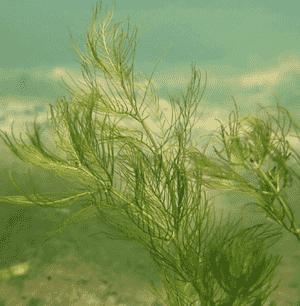
This water-dwelling perennial is distinguished by its delicate, spiraling foliage. For effective pruning, cut back any excessively long or lifeless stems directly above a leaf node to stimulate denser development. The most suitable period for pruning is from Spring to early Summer, coinciding with the plant's accelerated growth stage. Consistent trimming prevents Myriophyllum verticillatum from becoming too dense and enhances water movement, which is crucial for its well-being and the surrounding environment. Discarded plant matter can be taken away to manage its proliferation and preserve visual appeal.
What Are the Benefits of Pruning Whorl-leaf Watermilfoil?
What Are the Benefits of Pruning Whorl-leaf Watermilfoil?
Trimming whorl-leaf watermilfoil encourages robust development and helps maintain its desired form. Regular cutting prevents excessive growth, promotes branching, and preserves the visual appeal of the aquatic plant setting.
What Is the Best Time for Pruning Whorl-leaf Watermilfoil?
What Is the Best Time for Pruning Whorl-leaf Watermilfoil?
Trimming whorl-leaf watermilfoil in spring and early summer coincides with its active growth phase when the plant's energy reserves and growth potential are highest, facilitating rapid recovery and strong regrowth. Pruning before its peak growth period allows it to channel energy into developing vigorous, healthy new shoots. The risk of disease transmission is also lower during these seasons due to drier conditions, reducing the chance of infection at cut sites. Furthermore, timely pruning before potential flowering or fruiting can help maintain the desired shape and prevent the spread of whorl-leaf watermilfoil, which can become invasive if unchecked. Additionally, spring and early summer pruning can prevent excessive shading of water bodies by managing whorl-leaf watermilfoil's growth, which benefits ecological balance in aquatic environments.
What Tools Do I Need to Prune Whorl-leaf Watermilfoil?
Long-handled shears
Ideal for reaching into whorl-leaf watermilfoil's watery habitat without fully submerging the gardener's hands, enabling precise trimming of stems.
Aquatic plant scissors
Specifically designed for underwater use, these scissors provide clean cuts to whorl-leaf watermilfoil's delicate stems while minimizing disruption to the water and surrounding vegetation.
Rake with extendable handle
Useful for gathering and removing trimmings from the water's surface after pruning whorl-leaf watermilfoil, ensuring the plant's health and a clear, debris-free water environment.
How to Prune Whorl-leaf Watermilfoil
Identify
Carefully inspect whorl-leaf watermilfoil to pinpoint diseased leaves, withered foliage, and compromised stems. Look for any discoloration, unusual marks, or decay as indicators.
Disinfect
Before cutting, sanitize your pruning tools with a 10% bleach solution or rubbing alcohol to prevent disease spread to healthy parts of whorl-leaf watermilfoil.
Remove leaves
Gently snip off diseased and withered leaves at their base where they connect to the stem. Use sharp scissors or pruning shears for clean cuts without tearing whorl-leaf watermilfoil's fragile foliage.
Prune stems
Cut back diseased stems on whorl-leaf watermilfoil to healthy tissue, ensuring all affected areas are removed. If an entire stem is compromised, remove it at its origin from the main plant.
Cleanup
Remove all trimmed material from the water to prevent decomposition and potential pathogen spread. Dispose of them properly, away from the water body.
Common Pruning Mistakes with Whorl-leaf Watermilfoil
Over-pruning
Cutting back too much of whorl-leaf watermilfoil can weaken the plant and hinder its natural growth patterns. This may lead to reduced vitality and a diminished ability to thrive in its aquatic setting.
Incorrect cuts
Improper cutting techniques can create wounds on whorl-leaf watermilfoil's stems that don't heal properly, making the plant more vulnerable to disease and rot, especially given its water-based habitat.
Ignoring dead material
Failing to remove dead or dying foliage can impede whorl-leaf watermilfoil's growth and encourage the proliferation of pests and diseases within the plant.
Pruning without regard to plant structure
Randomly cutting without understanding whorl-leaf watermilfoil's growth pattern may result in a less attractive form and could damage the plant's natural shape.
Common Pruning Tips for Whorl-leaf Watermilfoil
Selective thinning
Focus on selectively thinning out dense areas to improve light penetration and water circulation throughout whorl-leaf watermilfoil, which promotes healthier growth.
Sharp tools
Use sharp, clean cutting tools to make precise cuts that will heal quickly, reducing the risk of disease entering through the wound.
Encourage bushiness
Trimming the tips of whorl-leaf watermilfoil can encourage a bushier growth habit. However, be careful not to remove too much of the plant at once, ensuring it can continue to sustain healthy growth.
Maintenance pruning
Regularly remove dead or yellowing leaves and any sections showing signs of decay, as this will foster robustness and the vitality of whorl-leaf watermilfoil, as well as keep the plant looking tidy.
Healthy plant structure
Prune with the aim of maintaining a strong and well-shaped structure that allows for adequate space and resources for all parts of whorl-leaf watermilfoil.



