How to Prune Philippine mussaenda?
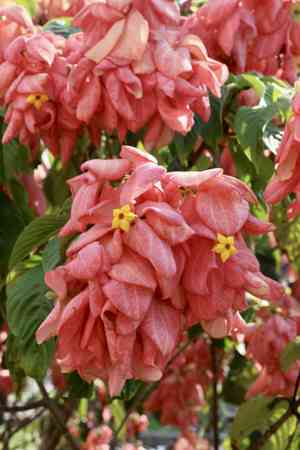
Philippine mussaenda, a tropical evergreen shrub celebrated for its striking floral groupings featuring vibrant sepals, flourishes with appropriate trimming. To foster a denser form and preserve its contour, carefully cut back elongated stems and eliminate any lifeless or frail growth immediately following its flowering phase. The most opportune moments for pruning are in late spring or early summer, coinciding with the plant's natural development and safeguarding both its blossoms and overall well-being. Consistent trimming guarantees robustness, amplifies flowering, and averts prevalent ailments by improving air movement among the leaves.
What Are the Benefits of Pruning Philippine Mussaenda?
What Are the Benefits of Pruning Philippine Mussaenda?
Trimming philippine mussaenda promotes abundant flowering and reduces pest and disease issues, leading to a more robust and visually appealing plant.
What Is the Best Time for Pruning Philippine Mussaenda?
What Is the Best Time for Pruning Philippine Mussaenda?
Trimming or cutting back philippine mussaenda from late spring to early summer is optimal, as this period follows its primary blooming cycle. This timing allows gardeners to shape the plant and remove spent flowers without negatively impacting its floral display. It enables the plant to direct energy towards new growth and development throughout the summer. Pruning during this timeframe also lowers the risk of damaging new buds that will produce the next season's blooms. Furthermore, cutting back philippine mussaenda during this active growth phase ensures rapid recovery and provides ample time for the plant to heal before colder weather arrives, which can hinder healing and stress the plant.
What Tools Do I Need to Prune Philippine Mussaenda?
Hand Pruners
Perfect for making precise cuts on philippine mussaenda's smaller stems and branches, ensuring minimal harm to the plant.
Lopping Shears
Suitable for cutting through thicker branches of philippine mussaenda that hand pruners cannot handle, offering good leverage and clean cuts.
Pruning Saw
Essential for removing philippine mussaenda's larger branches that are too thick for lopping shears, ensuring smooth and clean cuts without tearing.
Hedge Shears
Useful for shaping the dense foliage of philippine mussaenda, allowing for uniform trimming of the shrub's outer growth.
How to Prune Philippine Mussaenda
Disinfect Tools
Before beginning, ensure all pruning tools are sanitized to prevent the spread of disease to philippine mussaenda.
Remove Diseased Withered
Carefully remove any diseased or withered leaves from philippine mussaenda using sharp, sterilized pruning shears. Make cuts close to the stem to avoid leaving stubs that could encourage further disease.
Trim Dead Branches
Cut dead branches at their point of origin or back to a main stem or branch of philippine mussaenda. Avoid leaving short stubs as they can be entry points for pests and disease.
Prune Withered Flowers
Prune withered flowers to encourage new blooms and maintain the aesthetic appeal of philippine mussaenda. Deadheading should be done by snipping the stem just above a leaf node or bud.
Control Growth
Identify and trim excessive growth branches to shape philippine mussaenda and manage its size. Prune back to a healthy bud or branch to encourage compact, bushy growth. This will also improve air circulation within the plant.
Common Pruning Mistakes with Philippine Mussaenda
Over Pruning
Removing too much of philippine mussaenda's foliage can shock the plant, hindering growth and reducing its ability to photosynthesize effectively.
Blunt Tool Use
Using dull pruning tools can result in jagged cuts that may attract disease and pests, slow healing, and damage the plant.
Improper Cut Location
Cutting too close or too far from the branch collar can harm philippine mussaenda, either causing dieback or impeding proper wound closure.
Disregarding Plant Health
Pruning philippine mussaenda that is stressed, such as due to drought or disease, can further weaken the plant.
Neglecting Sanitation
Not sterilizing tools between cuts, especially when moving between plants, can spread pests or diseases to philippine mussaenda.
Excessive Leaf Removal
Stripping too many of philippine mussaenda's leaves limits the plant's capacity to produce energy, diminishing its vigor and bloom potential.
Common Pruning Tips for Philippine Mussaenda
Sharp Tools
Always use sharp, clean pruning shears for crisp cuts that heal quickly and minimize stress on philippine mussaenda.
Careful Cutting
Make pruning cuts at a 45-degree angle about 1/4 inch above a leaf node or bud to encourage new growth in the desired direction.
Selective Pruning
Prune to shape philippine mussaenda and remove only dead or diseased branches, crossing branches that may rub against each other, and leggy growth to maintain plant health.
Moderation
Limit pruning to the minimum necessary to maintain philippine mussaenda's desired shape and size; excessive pruning can reduce flowering.
Plant Structure
Understand the growth habit of philippine mussaenda to maintain its natural shape; this includes identifying the main branches to retain for optimal structure.
Post-Pruning Care
After pruning, provide philippine mussaenda with proper aftercare, including watering and if necessary, a balanced fertilizer, to support recovery and robust growth.



