How to Prune Compact grape hyacinth?
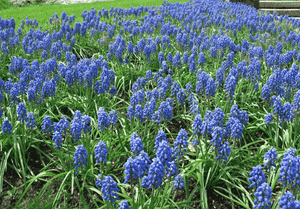
A perennial plant with a bulbous base, featuring dense, cylindrical flower clusters, the compact grape hyacinth needs little upkeep. Cut back spent flower stems to their base to stimulate bulb development and stop self-propagation. The best period for trimming is after flowering in late spring. Avoid taking off leaves until they turn yellow; the foliage accumulates energy for the subsequent season. Advantages of pruning involve fostering robust growth and improving the caliber of blooms for the next year.
Advantages of Trimming Compact Grape Hyacinth
Advantages of Trimming Compact Grape Hyacinth
Trimming compact grape hyacinth can stimulate its development, fostering a dense and appealing shape. This boosts its decorative appeal and preserves garden aesthetics.
Optimal Pruning Period for Compact Grape Hyacinth
Optimal Pruning Period for Compact Grape Hyacinth
During late winter and early spring, compact grape hyacinth is typically inactive, meaning active growth has not yet begun. Pruning at this time minimizes plant stress as there's less chance of disrupting new growth, flower buds, or active photosynthesis. Additionally, trimming before the growing season helps shape the plant, remove any winter-damaged or diseased parts, and encourage abundant blooms in the subsequent months. It is crucial to prune after the harshest winter weather has passed but before compact grape hyacinth starts its active growth and enters its spring flowering phase.
Essential Tools for Pruning Compact Grape Hyacinth
Hand Shears
These are suitable for removing spent blooms and trimming back leaves after compact grape hyacinth has finished flowering. Their small size and precise blades allow for careful removal of faded flowers and yellowing foliage without harming the bulb or nearby plants.
Garden Scissors
Perfect for cutting back the flower stems of compact grape hyacinth to the base once the blossoms have faded. Garden scissors offer precision and are easy to handle in confined spaces, which is especially useful for bulbous plants like compact grape hyacinth with dense growth.
Gloves
Wearing gloves is important when pruning compact grape hyacinth to shield hands from sharp edges and potential skin irritants found in plant sap.
How to Prune Compact Grape Hyacinth
Step1: Post-Bloom Pruning Schedule
Wait until compact grape hyacinth's flowering period concludes. This usually happens in late spring or early summer. Begin pruning after the flowers have faded, but not sooner, as the leaves need time to photosynthesize and store energy for the next season.
Step2: Identifying Spent Flowers
Locate the dead flowers on compact grape hyacinth. Look for blooms that have lost their color and are wilting or have already dried. These are the flowers to be removed during pruning.
Step3: Sanitizing Pruning Tools
Use clean, sharp scissors or pruning shears. Sterilize the blades before use with rubbing alcohol or a household disinfectant to prevent disease transmission.
Step4: Precise Trimming of Dead Flowers
Carefully trim the dead flowers at the base of the flower stalk. Make precise cuts to avoid damaging healthy parts of the plant. Do not remove the flower stalk itself, as it will continue to provide nutrients to compact grape hyacinth for next year's growth.
Step5: Removing Withered Leaves
Inspect compact grape hyacinth for withered or yellow leaves. These are leaves that have completed their life cycle and no longer benefit the plant's growth.
Step6: Careful Cutback of Yellow Leaves
Prune the withered leaves by cutting them back to the base, but be careful not to damage the green, healthy leaves as these are still supplying energy to compact grape hyacinth.
Step7: Disposing of Pruned Plant Material
Discard all pruned material, as dead plant matter can harbor diseases or pests that might affect compact grape hyacinth in the future.
Step8: Post-Pruning Irrigation
After pruning, water compact grape hyacinth gently if the soil is dry. Ensure adequate moisture levels are maintained, especially after pruning, to support the plant's recovery and growth.
Step9: Mulching for Plant Health
Apply mulch around compact grape hyacinth if needed to conserve moisture, regulate soil temperature, and suppress weeds.
Step10: Monitoring Plant After Pruning
Observe compact grape hyacinth for signs of stress or disease after pruning. Healthy plants should recover quickly and prepare for the next bloom cycle.
Aftercare for Compact Grape Hyacinth Post-Pruning
Aftercare for Compact Grape Hyacinth Post-Pruning
Immediately after pruning compact grape hyacinth, water the soil to maintain moisture without over-saturating. Position compact grape hyacinth in a well-lit area with partial shade, ensuring consistent temperatures and moderate humidity to prevent stress. Fertilize with a balanced, slow-release formula to aid growth and tissue repair. Regularly inspect compact grape hyacinth's foliage and growth rate for signs of distress, such as wilting or discoloration. Should signs of infection appear, promptly apply an appropriate fungicide or pest treatment under the guidance of a horticultural expert.
Common Pruning Errors with Compact Grape Hyacinth
Early Foliage Removal Reduces Energy Storage
Cutting back compact grape hyacinth's foliage before it has naturally yellowed and died back may diminish the plant's capacity to photosynthesize and store energy for the subsequent blooming season.
Excessive Trimming of Flower Stalks Harms Bulbs
Trimming or cutting the flower stalks of compact grape hyacinth too aggressively can result in damage to the bulbs and decrease flowering potential.
Dull or Dirty Tools Cause Damage and Disease
Using dull or uncleaned pruning tools can harm compact grape hyacinth's delicate foliage and flower stalks, leading to disease or stunted growth.
General Pruning Advice for Compact Grape Hyacinth
Remove Foliage When Yellowed for Nutrient Storage
Wait until compact grape hyacinth's foliage has turned yellow or brown before removing it, as this indicates that the plant has finished storing nutrients in the bulb after flowering.
Remove Spent Flower Stalks to Save Energy
Gently remove spent flower stalks at their base to encourage neat growth and prevent the plant from expending energy on seed production.
Use Clean and Sharp Tools for Healthy Cuts
Utilize sharp, clean pruning shears or scissors to make precise cuts that will heal quickly and minimize the risk of disease.



