How to Prune Edible banana?
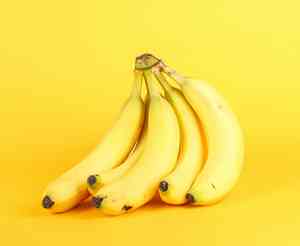
This perennial tropical plant is recognized for its expansive, foliage-rich form and capacity to produce fruit. For consumable bananas, eliminate any withered or ailing leaves at any point. Following the fruit collection, sever the fruit-producing stem at soil level and reduce congested offshoots, retaining a single primary offshoot to succeed the parent plant. Perform pruning in the initial part of summer when the plant is vigorously developing. Trimming fosters robust development and enhances air movement, which is crucial for averting fungal infections frequently observed in this variety.
What Are the Benefits of Pruning Edible Banana?
What Are the Benefits of Pruning Edible Banana?
Trimming edible banana promotes a more abundant yield, stimulates robust growth, and maintains an appealing form, ensuring optimal plant vitality and output.
What Is the Best Time for Pruning Edible Banana?
What Is the Best Time for Pruning Edible Banana?
Early summer is considered ideal for pruning edible banana as it coincides with the start of the plant's active growth period. Pruning at this time encourages healthy development, as warmer temperatures and increased sunlight aid the plant's recovery and new growth post-pruning. Additionally, it allows any potential flowering or fruiting to occur during the plant's natural cycle, without disrupting energy allocation for fruit development. Removing dead or diseased parts before the main growth season helps ensure the plant's energy is directed towards producing healthy leaves and fruit. Furthermore, trimming at this time helps shape the plant for the upcoming season, which can lead to improved air circulation and sunlight penetration, crucial for the plant's overall health and fruit production.
What Tools Do I Need to Prune Edible Banana?
Sharp, Clean, Sterilized Secateurs
Essential for making precise cuts on edible banana's smaller stems to remove dead or diseased material without harming surrounding healthy tissues.
Long-Handled Loppers
Useful for reaching higher into the edible banana canopy to trim larger stems that are out of reach for secateurs.
Pruning Saw
Necessary to cut through edible banana's thicker stems and pseudostems. The serrated edge ensures a clean cut through tough, fibrous material.
Gloves
Hand protection when handling edible banana to prevent scratches or irritation from leaf edges.
Garden Knife
A versatile tool that can be used for more delicate pruning tasks on edible banana, such as removing suckers or precise plant shaping.
How to Prune Edible Banana
Step1: Tool Preparation and Disinfection
Gather the appropriate tools for pruning edible banana, including clean, sharp pruning shears or a saw for thicker branches. Ensure your tools have been disinfected to prevent disease spread.
Step2: Yellow Leaf Removal
Identify yellow leaves on edible banana, indicating they are old or nutrient-deficient. Gently tug on the yellow leaf to see if it detaches easily, signaling it's ready for removal. If it doesn't come off naturally, use pruning shears to cut it at the base where the leaf stem meets the trunk.
Step3: Dead Branch Trimming
Check for brown branches, which represent old or dead tissue on edible banana. Using pruning shears or a saw, depending on branch thickness, make a clean cut where the brown branch meets the green, healthy tissue, but avoid cutting into the living parts of the plant.
Step4: Diseased Plant Part Excision
Examine edible banana for any diseased parts, which may include leaves, branches, or trunk sections that appear discolored, wilted, blotchy, or have unusual growths. Remove these parts by cutting at least a few inches into healthy tissue to ensure all diseased sections are gone.
Step5: Sucker Selection and Pruning
Assess the number of suckers, which are shoots growing from the base of edible banana. For the health of edible banana, it's important to maintain only one main sucker to grow into the next fruiting plant. Choose the most vigorous and well-positioned sucker, called the 'follower' or 'peeper', and cut away excess suckers at the base with clean cuts.
Step6: Pruning Waste Disposal
After all pruning is complete, ensure proper disposal of yellow leaves, brown branches, diseased parts, and excess suckers to prevent any potential disease spread. Do not compost diseased plant material.
Step7: Post-Pruning Tool Sterilization
Sterilize all pruning tools after finishing with edible banana to ensure no diseases are transmitted to other plants. Clean the blades with a disinfectant before storing the tools.
Step8: Post-Pruning Plant Monitoring
Monitor edible banana for a few days to ensure it recovers well from pruning. Water appropriately and provide any necessary nutrients to encourage healthy growth.
Post-Pruning Care for Edible Banana
Post-Pruning Care for Edible Banana
Immediately after trimming edible banana, ensure cuts are clean to aid healing. Maintain high humidity and partial shade to facilitate recovery, avoiding extreme temperatures. Implement a balanced fertilization regimen to supply essential nutrients, especially potassium, which is crucial for edible banana's growth. Regularly inspect for yellowing leaves or rot as signs of stress or infection. If symptoms appear, adjust care and consider applying fungicide. Monitor growth progress, adjusting care to foster healthy regrowth.
Common Pruning Mistakes with Edible Banana
Excessive Leaf Pruning Hampers Photosynthesis
Removing too many leaves from edible banana, which can diminish the plant's ability to photosynthesize efficiently and potentially weaken it.
Improper Timing in Cutting Main Stem
Cutting the main stem of edible banana too soon or too late, which can impact the plant's fruiting cycle or miss the opportunity to encourage new shoot development.
Disease Spread from Unsterilized Tools
Pruning without sterilizing tools, leading to the transmission of diseases from contaminated tools to healthy parts of edible banana.
Neglecting Sucker Removal Causes Overcrowding
Ignoring the removal of suckers, which can result in overcrowding and competition for nutrients and light among edible banana.
Damage from Rough Pruning
Rough handling or tearing leaves and stems during pruning, which can cause unnecessary damage and make edible banana susceptible to pests and diseases.
Common Pruning Tips for Edible Banana
Prune Only Old or Damaged Leaves
Ensure that only older leaves that are brown or severely damaged are removed to maintain edible banana's capacity to photosynthesize effectively.
Thin Suckers, Retain Main Fruiting Pseudostem
Selectively thin the suckers and preserve the strongest one to become the main fruiting pseudostem for edible banana after the current fruiting pseudostem has been harvested.
Sterilize Pruning Equipment
Sterilize all equipment before pruning edible banana to prevent the spread of diseases between plants or infection of open cuts.
Use Sharp Instruments for Clean Cuts
Use sharp, clean cutting instruments to make precise cuts without tearing, thereby minimizing stress and the risk of infection to edible banana.
Remove Dead Pseudostems to Redirect Energy
Monitor edible banana frequently for dead or dying pseudostems, which should be pruned to redirect energy to new growth and maintain plant health.



