How to Prune Curry leaf tree?
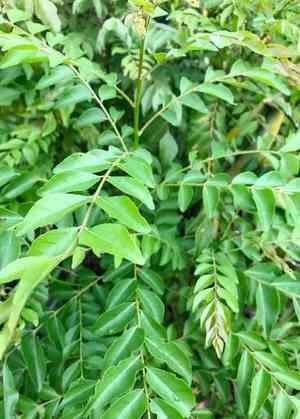
The curry leaf tree, a tropical evergreen prized for its fragrant leaves utilized in culinary applications, thrives with judicious trimming to preserve its compact form and stimulate abundant foliage development. Undertake light pruning to eliminate deceased or intersecting branches and foster improved air movement. The most suitable period for pruning is during the winter season, following the production of berries, to revitalize the specimen for the spring. Consistent pruning boosts leaf output, which is crucial for cooking, and aids in managing its dimensions within garden environments.
What Are the Benefits of Pruning Curry Leaf Tree?
What Are the Benefits of Pruning Curry Leaf Tree?
Trimming curry leaf tree promotes vigorous development and helps maintain its desired form. By selectively cutting stems, gardeners can encourage new shoots, ensuring a lush and attractive tree.
What Is the Best Time for Pruning Curry Leaf Tree?
What Is the Best Time for Pruning Curry Leaf Tree?
Winter is the ideal time for pruning curry leaf tree as it's typically a dormant period for many plants, minimizing stress during the process. At this time, curry leaf tree has usually finished its flowering and fruiting cycles, meaning pruning won't impact the yield. Trimming in winter also prepares curry leaf tree for robust spring growth, as removing old or overgrown branches improves sunlight penetration and air circulation, fostering healthier foliage and a stronger structure.
What Tools Do I Need to Prune Curry Leaf Tree?
Hand Pruners
Perfect for cutting small and medium-sized branches from curry leaf tree. The tool should be sharp and clean to ensure precise cuts that encourage healthy regrowth.
Loppers
Recommended for branches too thick for hand pruners. The long handles provide leverage, making it easier to prune curry leaf tree without harming the plant.
Pruning Saw
Essential for cutting through larger branches. A pruning saw with a curved blade can be especially effective in reaching tight spaces within curry leaf tree's growth.
Hedge Shears
Useful for shaping curry leaf tree when grown as a hedge. The long blades allow for straight, even cuts across multiple stems simultaneously.
Pruning Gloves
To protect the gardener's hands from thorns and sap while pruning curry leaf tree, ensuring safety and cleanliness.
Sanitizing Agent
Used to clean tools before and after pruning curry leaf tree to prevent the spread of diseases.
How to Prune Curry Leaf Tree
Step1: Timing Pruning Post-Flowering
Select the appropriate time for pruning curry leaf tree. The best time is immediately after the flowering season concludes, typically in late winter or early spring, to ensure vigorous growth and abundant leaf production.
Step2: Use Sanitized Sharp Tools
Prepare sanitized and sharp pruning tools. Use bypass pruners for small branches and secateurs for larger branches. Sterilize the blades with rubbing alcohol to prevent disease transmission.
Step3: Identify Yellow Leaves
Locate yellow leaves on curry leaf tree. These are often older leaves that can be removed to enhance the plant's overall health and appearance.
Step4: Remove Yellow Leaves Correctly
Trim the yellow leaves by snipping them off close to the stem. Be careful not to damage the nodes or branches with healthy leaves.
Step5: Find Withered Branches
Identify withered branches on curry leaf tree, which indicate dead or dying parts of the plant. These branches will not produce new growth and can harbor diseases.
Step6: Cut Withered Branches Cleanly
Carefully remove the withered branches by cutting them at their base, near the main stem. Ensure the cut is clean and angled to prevent water accumulation that could lead to rot.
Step7: Assess Overgrown Twigs
Examine curry leaf tree for overgrown twigs that are crowding the plant, blocking light, or altering the desired shape. Overgrown twigs can impact air circulation and light penetration.
Step8: Prune Overgrown Twigs Strategically
Trim back overgrown twigs by cutting them to a suitable outward-facing bud or leaf to direct new growth outwards and maintain a good plant shape.
Step9: Shape Plant Canopy
Shape curry leaf tree by removing any awkwardly angled twigs that disrupt the plant's symmetry. Focus on creating an open, umbrella-like canopy which allows for light penetration and air circulation.
Step10: Cleanup Pruning Debris
After pruning curry leaf tree, clear all trimmings from the soil surface to prevent them from becoming a breeding ground for pests and diseases.
Step11: Water Plant Post-Pruning
Water curry leaf tree deeply after pruning to help reduce plant stress and encourage recovery and new growth.
Step12: Monitor Plant Health
Monitor curry leaf tree for any signs of stress or disease after pruning and address any issues promptly to ensure the plant's continued health.
Post-Pruning Care for Curry Leaf Tree
Post-Pruning Care for Curry Leaf Tree
Immediately after pruning curry leaf tree, ensure ample water to aid healing. Position the plant with favorable light exposure and maintain a moderate temperature and high humidity. Apply a balanced fertilizer to replenish nutrients and foster regrowth. Vigilantly monitor for wilting, discoloration, or signs of infection, and promptly address any issues. Consistent post-pruning attention guarantees curry leaf tree's robust comeback.
Common Pruning Mistakes with Curry Leaf Tree
Over-Pruning: Shocks Plant, Reduces Yield
Pruning too aggressively, which can shock the curry leaf tree and lead to fewer leaves and berries.
Ignoring Diseased Branches: Spreads Decay
Ignoring diseased or dead branches, which can spread decay and diminish the overall health of the curry leaf tree.
Improper Mature Branch Cutting: No New Shoots
Cutting back into old wood on mature branches, which may not produce new shoots readily.
Unsterilized Tools: Disease Transfer Risk
Neglecting to sterilize pruning tools, risking the transfer of diseases between plants.
Aimless Pruning: Imbalanced Growth, Less Productivity
Pruning without a clear objective, resulting in an imbalanced shape or reduced productivity.
Common Pruning Tips for Curry Leaf Tree
Clean, Sharpe Cuts: Minimizes Plant Damage
Use sharp, clean pruning tools to make precise cuts, reducing damage to the curry leaf tree's remaining branches and leaves.
Open Structure Pruning: Enhances Light and Air
Prune to maintain an open structure, removing crossing branches to enhance light penetration and air circulation.
Remove Dead Growth: Supports Healthier Stems
Focus on removing dead or weak growth to divert energy to developing stronger, healthier stems.
Strategic Cuts Above Nodes: Directs New Growth
Make pruning cuts just above a leaf node or bud to stimulate new growth in the desired direction.
Pinch Young Plants: Encourages Bushiness
Regularly pinch back the tips of young plants to encourage bushiness and more leaf production, which is particularly beneficial for curry leaf tree.
Preserve Main Branches: Structure for Mature Plants
Retain several strong main branches on mature plants to serve as the framework and prune around these.



