How to Prune Tapeworm plant?
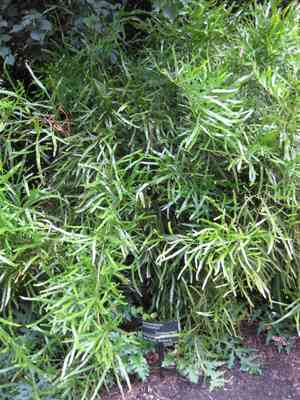
Distinguished by its compressed, unfoliated stalks, tapeworm plant flourishes with careful trimming. Perform pruning in the winter while the plant is inactive to encourage vigorous development. Eliminate deceased or fragile stems to preserve its structure and enhance air movement. Pinch off the ends to stimulate denser growth, and trim back any excessive growth to control its dimensions. Pruning aids tapeworm plant by averting dense tangles and cultivating an attractive shape, rendering it an ideal centerpiece for any landscape.
What Are the Benefits of Pruning Tapeworm Plant?
What Are the Benefits of Pruning Tapeworm Plant?
Trimming tapeworm plant promotes robust development and preserves its unique form. It aids in eliminating dead or crowded branches, allowing light and air to reach inner foliage, thereby fostering a healthier plant structure.
What Is the Best Time for Pruning Tapeworm Plant?
What Is the Best Time for Pruning Tapeworm Plant?
Pruning tapeworm plant in late winter to early spring is optimal because the plant is still inactive, enabling rapid recovery without stressing it. This period minimizes the chance of disease infection and sap loss that can weaken tapeworm plant. Trimming before the new growth cycle begins allows tapeworm plant to direct its energy into producing fresh, healthy growths once the growing season starts. This timing also prevents cutting off the current year's growth, which can reduce blooming potential, as tapeworm plant may flower on the current or previous year's growth.
What Tools Do I Need to Prune Tapeworm Plant?
Bypass pruners
Tapeworm plant typically has slender stems that require a clean cut to encourage healthy regrowth. Bypass pruners are ideal for making precise cuts without crushing the delicate stems.
Fine-toothed pruning saw
For older or more woody parts of tapeworm plant, a fine-toothed pruning saw can be used to cut through thicker stems without causing unnecessary damage to the plant.
Gardening scissors
Tapeworm plant may have delicate or intricate growth patterns. Gardening scissors are useful for snipping away smaller stems and leaves with precision.
Gloves
Always wear gloves when pruning tapeworm plant to protect your hands from scratches and potential skin irritants.
How to Prune Tapeworm Plant
Disinfect tools
Before starting the pruning process, clean and sanitize all pruning tools. This ensures that diseases are not spread to tapeworm plant during pruning.
Remove diseased branches
Carefully inspect tapeworm plant for any diseased branches. Use sharp pruning shears to make a clean cut to remove the entire diseased branch. Dispose of these properly to prevent disease spread.
Trim withered leaves
Identify any withered leaves on tapeworm plant. Gently trim these leaves at the base where they meet the stem or branch, being careful not to damage healthy parts.
Cut dead branches
Prune dead branches from tapeworm plant with a clean cut at the base or at the point of healthy tissue. This will encourage healthier growth and improve the plant's overall appearance.
Maintain shape
To maintain the desired shape and size of tapeworm plant, selectively trim any overgrown branches. This encourages the growth of new, healthy branches and maintains the plant's aesthetic.
Common Pruning Mistakes with Tapeworm Plant
Over-pruning
Removing too much growth at once can stress tapeworm plant, potentially stunting its growth or leaving it vulnerable to pests and diseases.
Improper cut location
Cutting too far from a node can leave a stub that risks disease entry. Conversely, cutting too close can damage the node and impede new growth.
Using dull tools
Dull pruning tools can result in jagged cuts that heal poorly and increase the risk of infection in tapeworm plant.
Neglecting tool hygiene
Failing to clean tools before and after use can spread pathogens between plants, particularly harmful to tapeworm plant.
Pruning without a plan
Random or excessive cutting without understanding the growth pattern of tapeworm plant can lead to an imbalanced shape and hinder its overall health.
Common Pruning Tips for Tapeworm Plant
Selective pruning
Targeting specific areas to shape tapeworm plant or to remove dead, damaged, or diseased growth helps maintain the plant's health and appearance without over-pruning.
Sharp clean cuts
Use sharp and sanitized pruning tools to make clean cuts that heal quickly and minimize stress on tapeworm plant.
Prune for airflow
Thin out dense areas judiciously to improve air circulation, which helps prevent fungal infections in tapeworm plant.
Encourage new growth
Prune just above a node to encourage branching and new growth, which keeps tapeworm plant full and healthy.
Monitor plant response
Observe how tapeworm plant responds to pruning and adjust techniques accordingly, to optimize plant health and aesthetics.



