How to Prune Velvet bean?
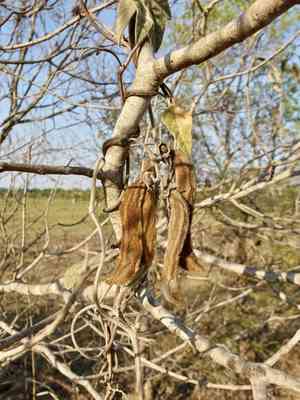
This vining legume is renowned for its downy seed casings and advantageous nitrogen-fixing attributes. For velvet bean, trimming is most effective in spring, immediately following the final frost. Reduce the prior year's development, retaining several inches of stalk to stimulate fresh sprouts. Consistent cutting throughout summer and autumn promotes a controllable dimension and encourages more robust, fruitful specimens. Pruning enhances pod formation and deters excessively vigorous climbing, which can result in intertwined, unproductive expansion.
What Are the Benefits of Pruning Velvet Bean?
What Are the Benefits of Pruning Velvet Bean?
Trimming velvet bean encourages robust development and keeps its size manageable. Regular cutting ensures strong growth and an appealing shape, crucial for garden appearance and ease of care.
What Is the Best Time for Pruning Velvet Bean?
What Is the Best Time for Pruning Velvet Bean?
Pruning velvet bean in Spring coincides with its active growth, allowing quick recovery and energy redirection to new shoots. Early Summer pruning is ideal after flowering, ensuring proper pod and bean development without excessive foliage. Late Fall pruning is beneficial as velvet bean enters dormancy; removing dead or dying parts before winter prevents disease and prepares it for the next season. These periods avoid flowering and main fruiting, thus not harming velvet bean's reproduction or health.
What Tools Do I Need to Prune Velvet Bean?
Hand Pruners
Perfect for precise cuts on velvet bean's thinner stems, easily handling diameters up to half an inch.
Loppers
Suitable for cutting through velvet bean's thicker stems or branches up to two inches in diameter, offering necessary leverage and reach.
Pruning Saw
Essential for any branches exceeding two inches in diameter, which may occasionally appear in velvet bean's growth.
Gardening Gloves
Protects hands from velvet bean's irritating hairs, ensuring safe handling during the pruning process.
Long-sleeved Clothing
Helps prevent skin contact with velvet bean's itch-inducing hairs, providing a protective barrier while pruning.
How to Prune Velvet Bean
Sanitize
Before beginning the pruning process, disinfect your cutting tools with alcohol or bleach solution to prevent disease spread to velvet bean.
Inspect
Carefully examine velvet bean to locate all withered leaves that are dead, diseased, or damaged.
Cut
Trim the withered leaves of velvet bean at their base, using sharp, clean pruning shears, making an angled cut to aid water runoff and prevent disease.
Dispose
Remove the cut leaves from the vicinity of velvet bean and discard them properly to prevent potential spread of pests or diseases.
Clean Up
Tidy the surrounding area and sanitize tools again after pruning velvet bean to maintain a healthy growing environment.
Common Pruning Mistakes with Velvet Bean
Overpruning
Removing too much growth at once can stress velvet bean, leading to reduced vigor and potentially harming the plant's health.
Improper Cut Placement
Cutting too far from a node, or into old wood where regrowth is unlikely, can result in poor or no new growth and leave velvet bean susceptible to disease.
Using Dull Tools
Dull pruning tools can cause jagged cuts that are slow to heal and invite pathogens, damaging velvet bean's health.
Pruning Without Reason
Random or unnecessary pruning can lead to a misshapen plant and wasted energy that velvet bean could have used for growth and reproduction.
Ignoring Diseased Or Dead Material
Failing to remove diseased or dead material during pruning could allow infections to spread, weakening velvet bean.
Common Pruning Tips for Velvet Bean
Clean Cuts
Ensure cuts are clean and just above leaf nodes to encourage velvet bean to branch and produce more foliage.
Sanitized Tools
Always use disinfected tools to prevent the spread of diseases during the pruning process.
Remove Dead Material
Regularly remove dead or dying leaves and stems to maintain velvet bean's health and stimulate new growth.
Encourage Airflow
Thin out dense growth to improve air circulation and light penetration, which contributes to the overall health and productivity of velvet bean.
Support Structure
When pruning, consider providing a support structure for velvet bean if necessary, as this species is a climber and may require assistance to grow optimally.



