How to Prune Monstera obliqua?
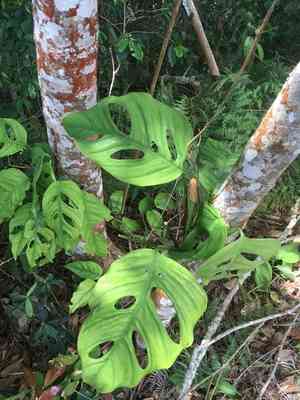
This exotic vine is recognized for its distinctive leaf perforations. To ensure the best Monstera obliqua care, remove any withered or discolored foliage at the base to stimulate fresh development. Periodic trimming, ideally from early spring through late autumn, facilitates shaping and enhances air circulation, which is vital for the plant's well-being. Make cuts directly above leaf junctions using sanitized cutting tools. Deliberate pruning can foster a more robust, symmetrical appearance while averting ailments by boosting air movement within the canopy.
What Are the Benefits of Pruning Monstera Obliqua?
What Are the Benefits of Pruning Monstera Obliqua?
Trimming monstera obliqua promotes robust development and preserves its desired shape. Precise cuts enhance light penetration and air movement, fostering strong health and an attractive form.
What Is the Best Time for Pruning Monstera Obliqua?
What Is the Best Time for Pruning Monstera Obliqua?
Pruning monstera obliqua in early spring is beneficial as the plant emerges from dormancy, preparing for a period of vigorous growth. This timing allows monstera obliqua to heal quickly from cuts and direct energy into new development. Pruning in late fall gives monstera obliqua a chance to shed excess foliage before a slower growth phase, which can reduce pest and disease risk overwintering on unnecessary leaves. Pruning outside these seasons can stress monstera obliqua, leading to suboptimal growth or recovery during unfavorable conditions, such as winter cold or summer heat.
What Tools Do I Need to Prune Monstera Obliqua?
Sharp Bypass Pruners
These pruners create clean cuts and minimize harm to the monstera obliqua's stems, encouraging healthy regrowth.
Sterilization Equipment
Rubbing alcohol or a bleach solution ensures tools are clean, preventing disease transmission to monstera obliqua.
Precision Scissors
For smaller or more delicate areas requiring trimming, precision scissors offer greater control.
Gardening Gloves
Protects hands from sap and ensures safe handling of monstera obliqua during trimming.
Waste Container
A place to discard cuttings immediately, keeping the area tidy and reducing potential pests around monstera obliqua.
How to Prune Monstera Obliqua
Step1: Tool Preparation and Sterilization
Prepare the appropriate tools for trimming monstera obliqua. Use a pair of clean, sharp scissors or pruning shears. Sanitize the blades with rubbing alcohol before use to prevent disease spread.
Step2: Identification of Yellow Leaves
Identify the yellow leaves on monstera obliqua. These are typically older, lower leaves that may naturally age and change color as part of the plant's growth process. Removing these will not harm monstera obliqua and can promote healthier growth.
Step3: Pruning Yellow Leaves Near Stem
Trim the yellow leaves by cutting them off where they meet the main stem or a larger branch of monstera obliqua. Make sure to cut close to the stem to avoid leaving a stub, which can be an entry point for pests or diseases.
Step4: Locating Withered Plant Branches
Examine monstera obliqua for any withered branches, which are branches that are dry and have lost vitality. These branches can hinder the growth of healthier parts of the plant.
Step5: Trimming Withered Branches at Base
Carefully cut any withered branches on monstera obliqua at their base, close to the main stem or just above a node (the point on the stem where a leaf or branch attaches). This positioning encourages new growth to emerge from the remaining nodes.
Step6: Post-Pruning Tool Sterilization
After trimming, clean the blades of your tools again with rubbing alcohol to prevent transmitting any diseases to other plants or back to monstera obliqua during future pruning.
Step7: Disposal of Pruned Plant Material
Dispose of the trimmed material from monstera obliqua properly to prevent any diseases or pests that may be present on the yellow leaves or withered branches from spreading.
Step8: Post-Pruning Watering Practices
Water monstera obliqua carefully to help reduce stress and support recovery after trimming. Ensure proper drainage to avoid water logging, which can cause additional stress and root rot.
Step9: Monitoring Plant Recovery and Growth
Monitor monstera obliqua's recovery over the following weeks, keeping an eye out for new growth where the yellow leaves and withered branches were removed. This will be a sign that monstera obliqua is responding well to the pruning.
Post-Pruning Care for Monstera Obliqua
Post-Pruning Care for Monstera Obliqua
Immediately after trimming monstera obliqua, clean cuts with a mild antiseptic to prevent infection. Place monstera obliqua in indirect, bright light and maintain high humidity by misting, ensuring the temperature is consistently warm. Begin a half-strength, balanced fertilizer regimen a month post-pruning to support recovery. Regularly inspect monstera obliqua for wilting or discoloration, indicative of stress or disease, and take corrective measures promptly. Manage environmental conditions vigilantly for optimal post-pruning healing and growth.
Common Pruning Mistakes with Monstera Obliqua
Avoid excessive removal in one pruning session
Over-trimming, which can occur when too much of monstera obliqua is removed at once, risking the health and vitality of the plant.
Use sharp and clean tools for precise cuts
Using dull or dirty trimming tools, which can cause jagged cuts that are more susceptible to pests and diseases.
Understand plant's growth for targeted pruning
Trimming healthy growth indiscriminately without understanding the growth pattern of monstera obliqua, potentially leading to undesirable shape or lack of proper foliage.
Common Pruning Tips for Monstera Obliqua
Sanitize tools to prevent disease and improve cuts
Sanitize your trimming tools before use to prevent the spread of disease and ensure clean cuts on monstera obliqua.
Trim only dead or damaged parts to aid growth
Trim away only the dead or damaged leaves and aerial roots that are unsightly or impeding growth, as monstera obliqua thrives on its natural vining and leaf development.
Selective pruning for shape, air flow, and light
Perform selective trimming to maintain the desired shape and size of monstera obliqua, focusing on overcrowded areas to enhance air circulation and light exposure.



