How to Prune Heartshape false pickerelweed?
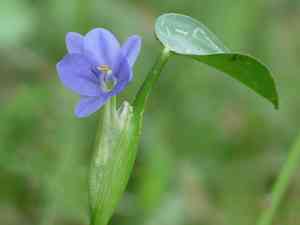
Heartshape false pickerelweed, a semi-aquatic perennial characterized by its unique heart-shaped foliage, flourishes in marshy environments. To foster robust development and uphold an attractive look, trim away any deceased or discolored leaves from the base. The most effective time for this trimming is during spring and summer, coinciding with its period of vigorous growth. Promptly severing faded flower stems can deter self-propagation and mitigate its potential to become invasive. Consistent elimination of encroaching runners safeguards indigenous plant life and manages the proliferation of heartshape false pickerelweed.
What Are the Benefits of Pruning Heartshape False Pickerelweed?
What Are the Benefits of Pruning Heartshape False Pickerelweed?
Trimming heartshape false pickerelweed is crucial for maintaining its vitality and desired form. This practice encourages new development, resulting in a more vigorous plant. Furthermore, strategic cuts aid in size management and enable the plant to allocate its energy more effectively.
What Is the Best Time for Pruning Heartshape False Pickerelweed?
What Is the Best Time for Pruning Heartshape False Pickerelweed?
The optimal time for pruning heartshape false pickerelweed is during the Spring and Summer. These periods coincide with heartshape false pickerelweed's active growth phase when the plant is robust and can best tolerate trimming. Spring pruning helps stimulate new growth and assists in removing any winter damage, ensuring heartshape false pickerelweed has a healthy start to the season. Summer pruning is advantageous as it allows gardeners to shape heartshape false pickerelweed while monitoring unwanted or excessive growth. Additionally, these seasons avoid heartshape false pickerelweed's flowering or fruiting periods, preventing undue stress to the plant which could lead to reduced blooming and yield.
What Tools Do I Need to Prune Heartshape False Pickerelweed?
Hand Pruners (Secateurs)
Perfect for snipping thin stems and easily navigating the dense foliage of heartshape false pickerelweed, ensuring precise cuts without harming surrounding stems.
Long-Handled Loppers
Useful for trimming thicker stems or branches that are out of reach, offering leverage and extended reach without disrupting the aquatic environment where heartshape false pickerelweed typically thrives.
Gardening Shears (Scissors)
Handy for detailed pruning and shaping of heartshape false pickerelweed due to their smaller size and ease of use, which is ideal for preserving the plant's aesthetic appeal.
Pruning Saw
Essential when dealing with mature or woodier parts of heartshape false pickerelweed, allowing the gardener to remove larger branches that hand pruners or loppers cannot manage easily.
How to Prune Heartshape False Pickerelweed
Clean tools
Before beginning the pruning process, sanitize your tools to prevent disease transmission. Use a solution of 1 part bleach to 9 parts water to disinfect pruning shears and knives.
Remove diseased leaves
Inspect heartshape false pickerelweed for any ailing leaves. Gently remove them by cutting at the base of the leaf's stem, being careful not to harm adjacent healthy tissue. Dispose of them properly.
Prune withered leaves
Identify and snip off withered leaves from heartshape false pickerelweed as they will not recover. Make clean cuts at the base of the withered leaf stems to encourage healthier development.
Cut diseased stems
Locate diseased stems on heartshape false pickerelweed and trim them back to healthy tissue. Ensure the cut is made at a node where the stem shows no visible signs of infection. If the entire stem is diseased, remove it at its base.
Cleanup
Gather all removed diseased and dead plant material and discard them away from the garden to prevent re-infection. Clean the tools again after completing pruning to maintain their sterility.
Common Pruning Mistakes with Heartshape False Pickerelweed
Over-pruning
Removing too much of heartshape false pickerelweed can stress the plant, potentially leading to stunted growth or even its demise.
Improper cutting
Making dull or jagged cuts can injure heartshape false pickerelweed, increasing its susceptibility to disease and hindering proper healing.
Neglecting tools
Using blunt or dirty pruning tools can damage heartshape false pickerelweed's stems and leave them vulnerable to infection.
Wrong technique
Pruning without understanding heartshape false pickerelweed's growth pattern can result in the removal of healthy, flowering parts or potential buds.
Common Pruning Tips for Heartshape False Pickerelweed
Clean tools
Always use sharp, clean pruning tools to make precise cuts which help heartshape false pickerelweed heal faster and prevent disease spread.
Targeted trimming
Prune only the dead or damaged foliage to maintain the health and shape of heartshape false pickerelweed, avoiding significant removal of healthy tissue.
Angled cuts
Make angled cuts to allow water to run off the cut surface, reducing the risk of rot and disease in heartshape false pickerelweed.
Post-bloom pruning
Trimming heartshape false pickerelweed after flowering can help stimulate new growth and improve the next season's blooms.
Protective growth
Avoid cutting into the woody base of heartshape false pickerelweed, as this can harm the plant's protective growth and hinder recovery.
Hydrate after pruning
Watering heartshape false pickerelweed after pruning can help ease it through the stress of the pruning process and encourage recovery.



