How to Prune Wild bergamot?
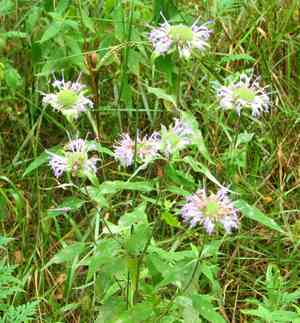
Wild bergamot, a relative of the mint family, is prized for its purple blossoms and fragrant leaves. To promote ongoing flowering, deadhead faded blooms. For a more compact form, reduce the plant by one-third in early spring. Lightly trim during the active growth period to enhance air movement, thereby lowering the chance of illness. Eliminate aged stalks to revitalize the specimen. If you wish to prevent seed dispersal, prune in late autumn. Advantages encompass greater floral output and enhanced plant robustness.
What Are the Benefits of Pruning Wild Bergamot?
What Are the Benefits of Pruning Wild Bergamot?
Trimming wild bergamot promotes abundant flowering and robust development. Regular cutting helps maintain its desired form and size, enhancing the plant's inherent beauty and structure.
What Is the Best Time for Pruning Wild Bergamot?
What Is the Best Time for Pruning Wild Bergamot?
Pruning in early spring is ideal as it precedes wild bergamot's rapid growth phase, allowing for the removal of dead or damaged stems before energy is used for new growth. This timing also prevents cutting back stems that will produce flowers later in the season. Late fall pruning is beneficial after wild bergamot has finished blooming and entered dormancy. It aids in shaping the plant, reducing overwintering pests, and removing spent flowers, which can encourage better growth the following spring.
What Tools Do I Need to Prune Wild Bergamot?
Hand Pruners
For deadheading and shaping wild bergamot, a sharp pair of hand pruners is crucial. These enable precise cuts without harming the stems or nearby plants.
Gardening Shears
When cutting back wild bergamot after flowering or in early spring for size management, gardening shears provide a clean cut, fostering healthy growth.
Pruning Saw
If wild bergamot has developed thicker stems, a pruning saw assists in managing woody growth without damaging the plant's main structure.
Garden Scissors
For detailed work and snipping off faded flowers or seed heads of wild bergamot, garden scissors offer delicate control and accuracy.
How to Prune Wild Bergamot
Step1: Inspection for Pruning
Examine wild bergamot for spent blooms, diseased sections, and damaged branches. Carefully identify what needs trimming without disturbing healthy parts.
Step2: Tool Sterilization
Sanitize your pruning tools with rubbing alcohol or a household bleach solution to prevent the spread of pathogens.
Step3: Pruning for Reblooming
Begin by removing spent flowers to encourage more blooms and maintain plant vitality. Cut the flower stalk back to just above a leaf set or a growth node. Make the cut at a 45-degree angle to promote healing and prevent water accumulation.
Step4: Disease Removal Pruning
Identify any diseased parts of wild bergamot, looking for unusual spots, rotted stems, or discolored foliage. Prune these areas back to healthy tissue, ensuring a clean cut well below the affected region.
Step5: Damaged Limb Pruning
Remove damaged limbs caused by strong winds, heavy rain, or animal activity. Prune these back to the nearest healthy joint or to the plant's base, ensuring no stubs are left that could become entry points for disease.
Step6: Thinning for Airflow
Thin out crowded stems to improve air circulation, which can help prevent fungal infections. Be careful not to remove more than one-third of the plant at a time to avoid stressing wild bergamot.
Step7: Shaping the Plant
Shape wild bergamot by selectively pruning to maintain its natural form. Wild bergamot tends to be a bushy plant, so aim for a rounded shape by cutting outer stems slightly shorter than the central ones.
Step8: Disposal of Pruned Material
Rake up and properly dispose of all pruned material, especially diseased portions, to prevent reinfection or pest problems.
Step9: Post-Pruning Watering
Water wild bergamot thoroughly after pruning to help it recover from the stress of trimming. Be sure to water at the base to avoid wetting the foliage, which can lead to disease.
Step10: Post-Pruning Monitoring
Monitor wild bergamot for new growth and health issues after pruning. Increased light and airflow resulting from pruning should enhance the health and blooming of wild bergamot.
Post-Pruning Care for Wild Bergamot
Post-Pruning Care for Wild Bergamot
After pruning, wild bergamot needs immediate light watering to aid recovery. Position wild bergamot to receive adequate, but not excessive, sunlight while protecting it from extreme temperatures. Humidity levels should be moderate. Apply a balanced, slow-release fertilizer to replenish nutrients and encourage growth. Regularly inspect wild bergamot for signs of stress, such as discoloration or wilting. If symptoms of infection appear, treat promptly with an appropriate fungicide or insecticide.
Common Pruning Mistakes with Wild Bergamot
Avoid Excessive Pruning
Over-pruning, which can stress wild bergamot and diminish its vigor.
Don't Cut Into Old Woody Growth
Cutting into woody, mature growth where wild bergamot might not easily regenerate.
Respect Plant's Natural Shape
Pruning without regard for the natural shape and growth habit of wild bergamot.
Disinfect Tools to Prevent Disease
Failing to disinfect pruning tools between cuts, potentially spreading diseases to wild bergamot.
Remove Only Spent Flowers, Not Buds
Neglecting to remove only the spent flowers, thereby accidentally removing buds that would bloom in the subsequent season.
Common Pruning Tips for Wild Bergamot
Use Sharp, Clean Shears for Clean Cuts
Utilize sharp and clean pruning shears to make precise cuts on wild bergamot, which help prevent disease and damage to the plant.
Remove Dead Stems and Spent Flowers
Focus on removing only the spent flowers and dead or diseased stems to encourage wild bergamot to produce a second flush of blooms and to maintain plant health.
Prune Above Leaves for Bushier Growth
Prune wild bergamot by cutting back to just above a set of leaves or a branching point to promote denser growth.
Thin Stems to Improve Air Circulation
Thin out crowded stems to increase air circulation, which can help prevent powdery mildew, a common issue with wild bergamot.
Maintain Plant's Natural Shape
Always consider the form of wild bergamot and prune to maintain an aesthetically pleasing, natural shape.



