How to Prune Gac?
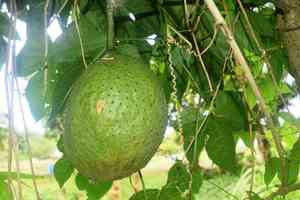
Recognized for its vivid orange produce and dietary advantages, gac thrives with judicious trimming to boost fruit yield and overall plant well-being. Conduct pruning in the initial part of spring or the latter portion of winter prior to the emergence of new shoots. Eliminate frail, lifeless, or ailing branches to foster more robust ones. Reducing crowded sections enhances air movement, thereby lowering the likelihood of disease. Trimming additionally preserves the preferred form and dimensions, maximizing area and solar exposure for superior fruit development.
What Are the Benefits of Pruning Gac?
What Are the Benefits of Pruning Gac?
Trimming gac promotes robust development and helps maintain its form, fostering a stronger framework capable of supporting abundant fruit. Strategic cuts enhance air flow, lowering disease risk and boosting fruitful yields.
What Is the Best Time for Pruning Gac?
What Is the Best Time for Pruning Gac?
The period from late winter to early spring is optimal for pruning gac due to the plant's dormancy in colder months. Pruning at this time minimizes sap loss, which aids the plant's recovery and reduces the chance of fungal infections from excessive sap flow. Additionally, this timing allows gardeners to shape the plant's growth before the new growing season, typically in spring. It ensures that new growth will quickly follow any cuts, helping the plant heal fast and integrate the pruning into its natural growth cycle. Moreover, pruning before dormancy provides a clear view of the plant's structure, enabling more strategic cuts to enhance fruit production in the subsequent season.
What Tools Do I Need to Prune Gac?
Bypass Pruners
Perfect for making clean cuts on gac's young, green stems, bypass pruners inflict less damage to plant tissues, encouraging healthier growth.
Long-handled Loppers
Suitable for reaching into gac's vining structure to trim thicker stems that are inaccessible with standard pruners. The extended handles provide leverage for cutting through sturdier branches without harming surrounding foliage.
Pruning Saw
When gac has mature, woody stems too thick for loppers, a pruning saw can make precise cuts without tearing the plant tissue.
Gardening Gloves
Protects hands from thorns and gac sap, which can cause skin irritation.
Pruning Sealer
After pruning, especially on larger cuts, applying a pruning sealer can help shield gac from infections and pests.
How to Prune Gac
Disinfect tools
Before pruning gac, sanitize all pruning tools using a solution of 1 part bleach to 9 parts water, or alternatively, use rubbing alcohol to prevent disease transmission.
Remove diseased leaves
Carefully inspect gac and identify any leaves showing signs of illnessâthese may display spots, discoloration, or deformities. Using your disinfected pruning shears, snip the diseased leaves at their base without tearing the stems.
Trim withered leaves
Identify gac leaves that are withered, discolored, or dry. Gently remove these leaves by cutting them at the base where the leaf stem meets the main stem or vine of the plant, ensuring a clean cut to promote faster healing.
Clean cuttings
Dispose of all removed leaves properly. Do not compost diseased or withered leaves as they could harbor pathogens or pests. Ensure all cuttings are neatly cleared away from the base of gac to maintain hygiene and reduce chances of disease.
Inspect plant health
After pruning gac, conduct a final inspection to ensure all problematic leaves have been removed. Observe the overall health and structure of the plant to confirm that no further pruning is necessary at this stage.
Common Pruning Mistakes with Gac
Over pruning
Removing too much foliage at once can stress gac, potentially leading to reduced vigor and fruit production. Aim to remove no more than one-third of the plant's growth.
Improper cutting technique
Using dull tools or making jagged cuts can damage gac's vines, potentially leading to disease or pest infestation. Always use sharp, clean pruning shears and make clean, angled cuts.
Removing productive vines
Mistakenly cutting off healthy, productive vines can significantly decrease the yield of gac. Prioritize the removal of only dead, diseased, or overcrowded stems.
Neglecting sanitization
Gac can be susceptible to disease spread through unsanitized tools. Always disinfect pruning shears before use to minimize the risk.
Inadequate cleaning up
Leaving pruning debris around gac can invite pests and diseases. Always clean up and dispose of plant material after pruning.
Common Pruning Tips for Gac
Health evaluation first
Before pruning gac, carefully assess plant health and identify any dead, diseased, or insect-infested vines that need to be removed.
Focus on air circulation
When pruning gac, ensure to thin out overcrowded areas to promote good air circulation, which can reduce the likelihood of fungal diseases.
Support fruit production
When aiming to increase fruit production in gac, selectively prune to direct more of the plant's energy into fewer, healthier vines.
Maintain plant structure
Prune gac to maintain a desirable shape and support structure. This helps to prevent vines from becoming too long and unmanageable.
Use correct tools
For gac, use the appropriate size of pruning shears. Smaller shears for fine work and larger ones for cutting through thicker vines ensure precision and efficiency in the task.



