How to Prune Bitter melon?
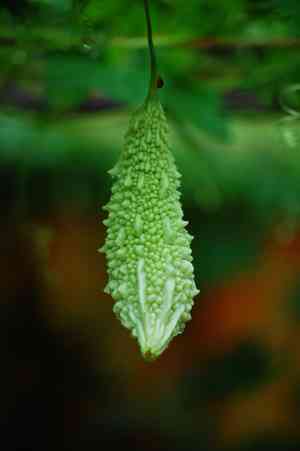
Bitter melon, a tropical climbing plant recognized for its palatable, uniquely pungent fruits, thrives with regular trimming to improve airflow and fruit yield. Essential methods involve eliminating deceased or ailing leaves, reducing dense sections, and shortening extended tendrils to stimulate branching. The most effective period for pruning spans from early spring through late autumn. Precise scheduling guarantees robust development and maximum harvest. Furthermore, pruning assists in managing pests and simplifies the collection of fruits from this energetic vine.
What Are the Benefits of Pruning Bitter Melon?
What Are the Benefits of Pruning Bitter Melon?
Trimming bitter melon boosts its growth and helps maintain a desired shape. Regular cutting enhances photosynthesis, increases fruit yield, and keeps the vine manageable. It's vital for directing the plant's energy towards producing quality fruit instead of excessive leaves.
What Is the Best Time for Pruning Bitter Melon?
What Is the Best Time for Pruning Bitter Melon?
Pruning bitter melon in early spring is ideal as the plant awakens from dormancy and hasn't yet focused energy on extensive leaf or fruit production, which typically happens in warmer months. This timing allows gardeners to shape the plant and remove any dead or frost-damaged parts without stressing it. Pruning during active summer growth is also possible, especially to manage size and improve air circulation, crucial for pest and disease prevention. In late fall, trimming bitter melon can prepare it for winter dormancy, remove unproductive stems, and reduce disease carryover to the next season. Avoid heavy pruning once flowering or fruiting begins to maximize yield.
What Tools Do I Need to Prune Bitter Melon?
Bypass Pruners
Perfect for clean cuts on bitter melon, bypass pruners operate like scissors and are best for its softer, green stems, aiding in selective fruit harvesting without plant damage.
Long-Reach Pruners
Bitter melon often grows to inaccessible heights and areas. Long-reach pruners are useful for clipping vines without straining or needing ladders.
Garden Scissors
For thinning smaller shoots and leaves or harvesting fruit, garden scissors offer the precision and control needed for bitter melon without harming nearby stems.
Pruning Saw
If bitter melon has developed thicker stems, a pruning saw might be necessary. It allows gardeners to make clean cuts on older, woodier plant sections.
Gloves
Not a cutting tool, but essential for handling bitter melon due to its rough texture and potential skin-irritating sap. Gloves protect hands during pruning.
How to Prune Bitter Melon
Step1: Gather Pruning Tools and Disinfectant
Start by collecting the necessary tools for pruning bitter melon, such as clean, sharp pruning shears, gloves, and a disinfectant like rubbing alcohol or a 10% bleach solution.
Step2: Prune Dead Wood
Examine bitter melon for dead wood, identifiable by a lack of leaves, brittleness, and a gray or brown hue. Prune dead wood where it meets healthy, green growth. Cut just above a healthy stem or bud.
Step3: Remove Diseased Limbs
Locate diseased limbs on bitter melon by observing abnormal growth, discoloration, or fungal presence. Cut these limbs back to healthy tissue. Disinfect pruning shears after each cut to prevent disease spread.
Step4: Trim Damaged Stems
Identify damaged stems on bitter melon. These might be broken, bent, or show insect damage. Prune them back to the nearest healthy node, ensuring a clean cut that avoids stubs, which can lead to further damage or disease.
Step5: Cut Crowding Lateral Branches
Prune the lateral or side branches of bitter melon that grow inward or crowd others to enhance air circulation and light penetration, promoting healthier growth. Make cuts at a 45-degree angle to encourage water runoff and minimize disease risk.
Step6: Thin Dense Shoots for Healthier Growth
Thin out crowded areas by removing some lateral shoots entirely. This allows bitter melon to focus energy on producing healthier fruit and stronger growth.
Step7: Clear Pruning Debris
After pruning, remove all cuttings and debris from around bitter melon to reduce the likelihood of pests and diseases.
Step8: Water and Fertilize After Pruning
Finally, water bitter melon thoroughly after pruning to aid recovery and seal cuts. If pruning occurs during the growing season, consider applying a balanced fertilizer to support new growth.
Post-Pruning Care for Bitter Melon
Post-Pruning Care for Bitter Melon
Immediately after pruning bitter melon, ensure cuts are clean for quick healing. Adjust environmental conditions with ample indirect light, maintain medium humidity, and keep temperatures around 25-30°C to encourage growth. Post-pruning, apply a balanced fertilizer to aid recovery. Regularly check the plant for stress signs like wilting or discolored foliage, and for infection indicators such as unusual spots or decay. If symptoms appear, promptly apply appropriate treatment to prevent further damage.
Common Pruning Mistakes with Bitter Melon
Over-pruning stress reduction in flowering and fruiting
Pruning too much at once, which can stress bitter melon and reduce its ability to produce flowers and fruit.
Improper tool maintenance leading to plant damage
Using dull or dirty pruning tools, which can result in jagged cuts that leave bitter melon susceptible to pests and disease.
Failing to remove dead or diseased plant parts
Neglecting to remove dead or diseased parts of bitter melon, which can inhibit growth and potentially spread issues to other parts of the plant.
Common Pruning Tips for Bitter Melon
Sterilizing pruning tools to prevent disease spread
Sterilize your pruning tools before starting and between cuts if disease is suspected, to maintain the health and hygiene of bitter melon.
Pruning for open canopy, better light and air circulation
Prune bitter melon to create an open canopy, allowing better light and air circulation, encouraging healthy growth and reducing disease chances.
Selective lateral shoot pruning for controlled growth
Identify and selectively prune the lateral shoots of bitter melon to control growth direction and promote more fruit production, ensuring not to remove all shoot growth as some will bear future flowers and fruits.



