How to Prune Purple moorgrass?
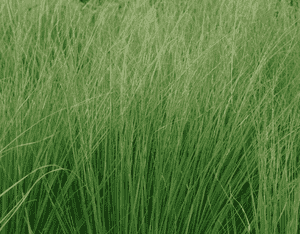
Purple moorgrass, a perennial grass, is distinguished by its clump-forming habit and violet-hued floral spikes. Trimming should occur in early spring or during winter prior to the emergence of new shoots. Eliminate aged leaves by severing them near the ground level, which fosters robust development and preserves the plant's form. Refrain from over-pruning, as this can cause stress to purple moorgrass. This practice not only stimulates thicker foliage but also hinders self-propagation, thereby preventing undesirable dissemination within the garden.
Advantages of Trimming Purple Moorgrass
Advantages of Trimming Purple Moorgrass
Trimming purple moorgrass promotes strong development and maintains its form. By eliminating dead or crowded stalks, purple moorgrass can direct its energy toward producing vigorous new growth, ensuring a compact shape that enhances its decorative appeal.
Optimal Time for Trimming Purple Moorgrass
Optimal Time for Trimming Purple Moorgrass
Trimming or cutting purple moorgrass is best performed in early spring or winter, as these periods coincide with the plant's dormant stage. During early spring, purple moorgrass has not yet initiated its active growth phase, making it an ideal time to prune without risking harm to new shoots. Pruning at this time allows for shaping the plant and removing any dead or diseased foliage before it invests energy into new growth. Winter pruning offers similar benefits since the plant is inactive; this timing ensures that energy reserves are channeled towards the development of healthy new shoots in the upcoming growing season. Additionally, as purple moorgrass is a grass species that dies back to the ground during winter, pruning in late winter can help rejuvenate the plant and encourage more robust growth in spring. As a seasonal plant, aligning pruning efforts with these suggested times promotes the plant's overall health and aesthetic value, while minimizing stress and susceptibility to pests and diseases.
Tools Required for Trimming Purple Moorgrass
Hand Pruners
Perfect for cutting through purple moorgrass's slender grass blades, hand pruners provide precision and control, minimizing damage to nearby foliage.
Grass Shears
For trimming and shaping clumps of purple moorgrass without bending, handheld grass shears help maintain the ornamental look of the grass while standing upright.
Scissors
When only a small amount of delicate trimming is necessary, sharp scissors can be used to carefully snip off the tips of purple moorgrass's blades.
How to Trim Purple Moorgrass
Clean tools
Sanitize all pruning implements before starting to prevent the spread of illness to purple moorgrass. Use a solution of one part bleach to nine parts water.
Identify diseased
Examine purple moorgrass closely to pinpoint and mark diseased and withered leaves. These are typically discolored, damaged, or appear unhealthy.
Cut diseased
Using sanitized shears, carefully remove the marked diseased leaves. Cut at the base of the leaf, where it meets the stem or the next healthy part of the plant.
Cut withered
Remove the withered leaves, which may be dry or brown, by cutting them off at the base just as you did with the diseased leaves, ensuring not to harm the healthy parts of purple moorgrass.
Dispose
Discard the diseased and withered leaves in a manner that will not contaminate compost or other garden areas. It's often best to use sealed bags or a dedicated bin for plant debris.
Common Trimming Errors with Purple Moorgrass
Over-trimming
Removing too much foliage from purple moorgrass can hinder its development. Aim to remove no more than one-third of the plant's total mass.
Incorrect technique
Using dull or unclean equipment can harm purple moorgrass's stems, leading to disease. Always use clean, sharp pruning shears.
Trimming healthy tissue
Cutting away healthy, green shoots can limit purple moorgrass's potential for robust growth. Focus on removing dead or damaged foliage.
Neglecting deadheading
Failing to remove spent flower spikes from purple moorgrass can result in a dull appearance and less vigorous growth.
Inconsistent care
Irregular or improper post-trimming care, such as insufficient watering or fertilizing, can stress purple moorgrass and impact its recovery.
General Trimming Advice for Purple Moorgrass
Selective cutting
Trim purple moorgrass by selectively removing brown, dead foliage to maintain air circulation and encourage new growth without altering the plant's natural shape.
Clean tools
Use clean, sharp pruning tools to make precise cuts on purple moorgrass that heal quickly, preventing disease and pest issues.
Layered trimming
Employ a layered trimming approach, cutting taller stems more severely and leaving shorter ones for a natural, tiered plant structure.
Promote growth
Trim purple moorgrass to allow light and air to reach the base of the plant, promoting healthy new shoots and improving overall vigor.
Aftercare
After trimming purple moorgrass, provide ample water and consider a balanced fertilizer to support recovery and encourage robust growth for the coming season.



