How to Prune Shame plant?
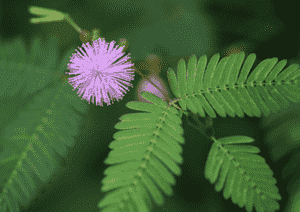
Known for its foliage that reacts to contact by folding inward, Mimosa pudica thrives with strategic trimming to preserve its form and stimulate denser development. Shorten elongated stalks and discard any withered or discolored leaves right before the active growth period in early spring. To achieve peak condition, perform another pruning session following the blooming phase in late autumn. This practice guarantees improved air movement and sunlight penetration, which are vital for Mimosa pudica's well-being. Always employ sanitized, keen implements to avert illness.
What Are the Benefits of Pruning Shame Plant?
What Are the Benefits of Pruning Shame Plant?
Trimming shame plant promotes strong development and helps keep its desired form. Regular cutting can result in a more vigorous and visually appealing plant.
What Is the Best Time for Pruning Shame Plant?
What Is the Best Time for Pruning Shame Plant?
Pruning in early spring allows shame plant to recuperate and direct energy towards new growth as it emerges from its dormant winter phase. This timing also prevents the removal of buds that will become the new season's foliage and flowers. Late autumn pruning is also beneficial, as it prepares shame plant for dormancy by eliminating any dead or dying leaves, which can help prevent disease and pests. Additionally, after the summer flowering period, pruning can stimulate a second bloom and help maintain an attractive shape. It is crucial to avoid extensive trimming during the height of summer or the cold of winter to prevent stressing shame plant, which could lead to poor health or reduced flowering.
What Tools Do I Need to Prune Shame Plant?
Hand Pruners
Essential for making accurate and clean cuts on shame plant's thinner stems and removing dead or overgrown foliage without harming the plant.
Pruning Shears
Ideal for shaping shame plant and managing its growth, as well as ensuring minimal damage to the delicate leaves during the pruning process.
Gloves
Important for protecting hands from shame plant's thorns and to avoid any potential skin irritation from the plant's sap.
Disinfectant
Crucial for cleaning tools before and after use to prevent the spread of disease to or from shame plant.
How to Prune Shame Plant
Step1: Preparation of Pruning Tools
Gather your tools before beginning the pruning process. Ensure you have a pair of clean, sharp pruning shears, gloves, and a disinfectant for the shears to prevent the spread of disease to shame plant.
Step2: Removal of Dead Foliage
Begin by removing any dead foliage from shame plant. Identify the brown, withered leaves and snip them off at the base where they meet the stem. Make clean cuts to avoid tearing that could damage healthy parts of the plant.
Step3: Trimming of Spent Flowers
Examine shame plant for old flowers. Trim off spent flower heads to encourage new blooms and prevent the plant from expending energy on seed production. Cut the flower stem just above the first set of full, healthy leaves.
Step4: Pruning Damaged Stems
Look for damaged stems on shame plant. These could be bent, broken, or showing signs of disease or pest damage. Prune these stems back to a healthy section, cutting at a 45-degree angle just above a leaf node to facilitate faster healing and new growth.
Step5: Shaping the Plant
After removing the dead, damaged, and old flowering parts, assess the overall shape of shame plant. Lightly trim any overgrown stems to maintain a balanced, aesthetically pleasing form. Always cut above a leaf node to ensure proper regrowth.
Step6: Thinning Dense Foliage
Thin out shame plant's foliage if it's too dense, which will improve air circulation and light penetration throughout the plant, helping to prevent disease. Remove some of the inner branches, cutting back to their point of origin but be careful not to over-prune as shame plant may react poorly to heavy trimming.
Step7: Disposal of Pruning Debris
Dispose of all the pruned material promptly, keeping the area around shame plant clean to minimize the risk of disease and pest infestations.
Step8: Tool Disinfection Post-Pruning
Clean your tools thoroughly after finishing. Disinfect the shears to prevent transferring any potential pathogens to other plants or back to shame plant during future pruning.
Step9: Plant Health Monitoring
Monitor shame plant after pruning for signs of new growth. Water the plant as required, and provide care and maintenance to ensure a healthy recovery and vigorous growth post-pruning.
Post-Pruning Care for Shame Plant
Post-Pruning Care for Shame Plant
Following pruning of shame plant, immediately water the soil to alleviate stress. Maintain indirect light, high humidity (over 60%), and temperatures between 70-75°F to facilitate recovery. Apply a balanced liquid fertilizer to provide essential nutrients. Monitor shame plant routinely for wilting or discolored leaves, which can indicate stress or infection. If symptoms arise, reduce watering frequency and prune affected areas using sterile tools. Ensure consistent care for robust regrowth.
Common Pruning Mistakes with Shame Plant
Over-pruning weakens plants
Excessive pruning is one of the most frequent errors, leading to stress and potential weakening of shame plant.
Dull tools cause damage and disease
Failing to use clean, sharp tools can result in rough cuts that leave shame plant susceptible to diseases and pests.
Improper pruning affects growth and bloom
Pruning without a clear understanding of shame plant's growth pattern can lead to accidental removal of healthy or flowering parts, which may reduce the plant's ability to photosynthesize and bloom properly.
Common Pruning Tips for Shame Plant
Sterile tools and precise cuts for healthy growth
Make clean cuts using sterilized tools just above leaf nodes to encourage bushier growth without risking infection or damage to shame plant.
Remove dead foliage to boost sunlight and air flow
Focus on removing dead or yellowing leaves and branches to improve air circulation and sunlight penetration, which is vital for the health of shame plant.
Prune gradually to avoid plant stress
Moderation is keyâprune gradually by targeting specific areas for shaping or thinning, and avoid cutting back more than one-third of shame plant's foliage at once to prevent undue stress.



