How to Prune Virginia bluebells?
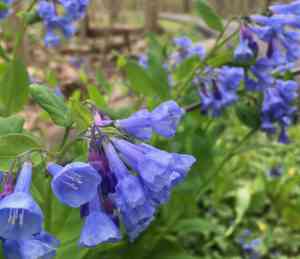
Known for its drooping blue blossoms and preference for forested environments, virginia bluebells benefits from trimming after flowering. Once the blooms wither in late spring or early summer, cultivators ought to remove spent flowers to stimulate leaf growth and possibly foster a subsequent, though less substantial, flowering. Remove faded flower stalks to preserve visual appeal and deter self-seeding if preferred. Trimming at this time guarantees that energy is channeled into root and leaf formation, which is vital for the following season's vigor.
What Are the Benefits of Pruning Virginia Bluebells?
What Are the Benefits of Pruning Virginia Bluebells?
Trimming virginia bluebells promotes robust development and maintains its preferred shape. Removing spent blossoms encourages new buds, boosting the plant's vigor and visual appeal.
What Is the Best Time for Pruning Virginia Bluebells?
What Is the Best Time for Pruning Virginia Bluebells?
Trimming virginia bluebells in late spring to early summer after blooming allows for the removal of faded flowers, which supports the plant's health and prepares it for the subsequent growing season. The plant enters dormancy in late summer or early fall, making pruning in late spring or early summer optimal to avoid depleting energy reserves needed for the following year. Additionally, this timing ensures that gardeners do not remove the foliage prematurely, which is vital for photosynthesis and replenishing the plantâs energy stores.
What Tools Do I Need to Prune Virginia Bluebells?
Hand Pruners
Given that virginia bluebells is a relatively delicate herbaceous perennial, sharp, clean hand pruners are ideal for cutting back the foliage. These enable precise cuts that minimize harm to the plant's stems.
Bypass Pruners
Bypass pruners are recommended for making clean and healthy cuts on virginia bluebells's stems without crushing plant tissue, thanks to their scissor-like action.
How to Prune Virginia Bluebells
Deadhead
Identify and remove the dead flowers of virginia bluebells by snipping them off at their base using clean, sharp scissors or pruning shears. This encourages further blooming and redirects the plant's energy away from seed production.
Spent flowers
Locate spent flowers that have finished their bloom cycle on virginia bluebells and clip them at the stem below the flower head, which may promote a second, albeit smaller, wave of blossoming in the same season.
Disinfect tools
After pruning virginia bluebells, disinfect all cutting tools with a solution of 1 part bleach to 9 parts water to prevent the spread of disease between plants.
Monitor health
Regularly check virginia bluebells for signs of disease or distress post-pruning, as these can be exacerbated by stress on the plant from the cutting.
Mulch application
Apply a layer of mulch around the base of virginia bluebells after pruning, which can help retain soil moisture and protect the plant through the varying temperatures following the removal of spent blooms.
Common Pruning Mistakes with Virginia Bluebells
Overzealous pruning
Cutting back virginia bluebells too much can harm its ability to bloom. These delicate perennials require minimal pruning since they die back on their own.
Pruning live flowers
Clipping live blooms off virginia bluebells not only reduces the aesthetic appeal but also eliminates the chance for seed formation if naturalizing is desired.
Removing foliage early
Cutting the foliage before it turns yellow can weaken virginia bluebells by preventing photosynthesis, which is essential for the buildup of energy reserves for the next season.
Disregarding plant health
Failing to remove or dispose of diseased or damaged stems can invite pests and diseases to virginia bluebells, causing further damage.
Incorrect cut location
Making cuts in the wrong location can lead to damage. Cuts that are too close to the crown of virginia bluebells can create entry points for diseases.
Common Pruning Tips for Virginia Bluebells
Post bloom care
Once virginia bluebells has finished flowering, allow the plant to die back naturally. Prune dead foliage once it has turned yellow to confirm the energy has been transferred back to the roots.
Disease prevention
Prune with clean, sterilized tools to avoid spreading disease between plants. This is especially important when cutting away any diseased or dead parts of virginia bluebells.
Gentle pruning
Prune virginia bluebells gently, only removing dead or diseased plant material. Since virginia bluebells is a spring ephemeral, it needs minimal pruning.
Seed pods conservation
If natural spreading is desirable, allow the seed pods to develop and open before pruning, so virginia bluebells can self-seed.
Proper disposal
Dispose of pruned material properly, far from virginia bluebells, particularly if it's diseased, to prevent the spread of pathogens in the soil or onto healthy plants.



