How to Prune Buck-bean?
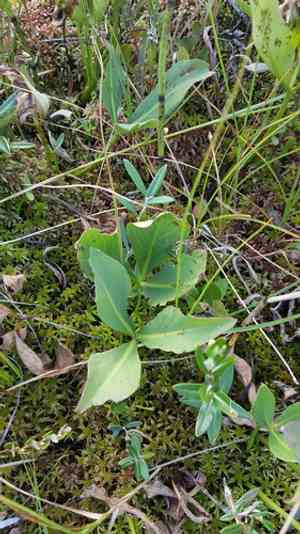
Celebrated for its three-part leaves and star-like white blossoms, buck-bean flourishes with infrequent trimming. It is essential to eliminate deceased or discolored leaves in late spring or early summer to foster robust development and elevate its aesthetic charm. Excising faded blooms might stimulate additional flowering. Consistent removal of spent flowers also aids in preventing self-propagation and preserving a neat plant look. Trimming ought to be gentle, concentrating on sustaining the plant's form and vitality without excessive cutting.
What Are the Benefits of Pruning Buck-bean?
What Are the Benefits of Pruning Buck-bean?
Trimming buck-bean promotes robust development and helps preserve its form. By selectively removing parts of buck-bean, gardeners foster a strong plant structure and pleasing appearance, crucial for its overall vitality and presentation.
What Is the Best Time for Pruning Buck-bean?
What Is the Best Time for Pruning Buck-bean?
Pruning in early spring allows buck-bean to recover and produce new shoots before its active growth period begins. This timing is effective as the plant emerges from winter dormancy and hasn't yet used energy for flowering. Early summer is also suitable, after blooming, to help maintain shape and encourage vigorous growth while avoiding stress from higher temperatures later in the season.
What Tools Do I Need to Prune Buck-bean?
Bypass Pruners
Buck-bean is a perennial aquatic or bog plant that typically requires minimal trimming. Bypass pruners are ideal for making clean, precise cuts on the plant's soft stems without damaging the plant tissues.
Waterproof Gloves
Since buck-bean thrives in wet conditions, waterproof gloves are essential for the gardener's comfort and safety during the pruning process.
Sharp Scissors
For trimming dead or dying foliage and flower stalks of buck-bean, sharp scissors can be used for a quick and easy cut, especially when dealing with the plant's delicate parts.
How to Prune Buck-bean
Clean tools
Before beginning the pruning process, thoroughly clean and sanitize all pruning tools to prevent the spread of diseases to buck-bean.
Remove diseases
Identify and carefully remove any diseased leaves from buck-bean using sharp, sterilized pruning shears, cutting at the base of the leaf stem to avoid damage to the healthy parts of the plant.
Eliminate withered leaves
Locate withered or dead leaves on buck-bean and snip them off at the base of the leaf stem. Pruning these leaves will redirect nutrients to healthier growth.
Trim diseased stems
Carefully prune away any diseased stems of buck-bean by making a clean cut just above a healthy node or set of leaves, ensuring not to leave stubs as they can invite pests or disease.
Clean up
After pruning, dispose of all diseased and dead plant material away from buck-bean and other healthy plants to prevent the potential spread of diseases or pests.
Common Pruning Mistakes with Buck-bean
Overpruning
Reducing buck-bean's foliage too much can stress the plant, potentially leading to poor growth or reduced vigor.
Incorrect cuts
Cutting too close to the crown or main stem might injure buck-bean, whereas leaving too long a stub can foster disease.
Pruning flowering shoots
Removing shoots that are about to flower can decrease the display of buck-bean's characteristic blooms.
Not cleaning tools
Using dirty pruning tools can introduce pathogens and diseases to buck-bean, which can be particularly harmful to it.
Disregarding plant health
Pruning buck-bean when it's unhealthy or stressed might further weaken the plant instead of encouraging its recovery.
Common Pruning Tips for Buck-bean
Tool selection
Use sharp, clean shears to make clean cuts and avoid tearing buck-bean's stems, which can lead to disease.
Cutting angle
Cut stems at a 45-degree angle to prevent water accumulation and rot, which is critical for buck-bean's health.
Timing of cuts
While excluding information on the best season, it's essential to prune after flowering, so not to remove buds that will become next season's blooms.
Prune for shape
Lightly trim buck-bean to maintain an attractive shape and remove any wayward stems that disrupt its symmetry.
Addressing damage
Remove any damaged or diseased foliage promptly to maintain the overall health of buck-bean and prevent the spread of issues.
Thinning out
Thin out crowded areas to ensure adequate airflow, which helps to prevent fungal diseases that buck-bean might be susceptible to.
Conservative approach
Adopt a conservative approach to pruning buck-bean, understanding that less is often more for this plant's well-being. A light trim in the right areas can do wonders.



