How to Prune Spearmint?
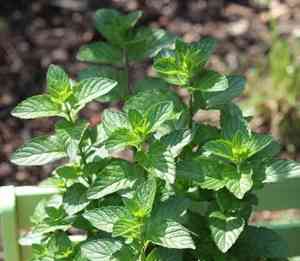
Spearmint, a aromatic, enduring herb, flourishes with consistent trimming. Nip the ends to encourage denser development and excise flower buds to sustain foliage output. Optimal pruning occurs from early spring through late summer. Refrain from severing woody stalks, as this hinders regeneration. Advantages of pruning encompass improved taste, greater harvest, and protection against ailments.
What Are the Benefits of Pruning Spearmint?
What Are the Benefits of Pruning Spearmint?
Trimming spearmint promotes robust development and maintains its desired form. Regular cutting helps gardeners achieve denser foliage, prevents stretching, and ensures the production of superior leaves for cooking.
What Is the Best Time for Pruning Spearmint?
What Is the Best Time for Pruning Spearmint?
Trimming spearmint in early spring before new growth begins is optimal as it removes dead or damaged stalks, leading to a strong flush of new growth. As spearmint actively grows through warmer months, light trimming can continue into late summer to maintain its shape, encourage denser foliage, and prevent the plant from becoming leggy. These periods are considered best because they align with the plant's natural growth cycle, avoiding stress during dormancy and timing pruning before or during active growth. Additionally, timely pruning helps spearmint produce higher yields of its fragrant leaves, often the main reason for cultivation. Care should be taken to reduce pruning as autumn approaches, allowing spearmint time to harden off new growth before potential frosts in fall or winter.
What Tools Do I Need to Prune Spearmint?
Hand Pruners
For spearmint's delicate stems, hand pruners provide precise cuts, minimizing plant damage. Bypass pruners are particularly recommended for their clean cuts, which heal more effectively than those made by anvil pruners.
Pruning Shears
These are perfect for trimming and shaping spearmint, enabling quick, clean snips that help maintain its bushy growth habit.
Garden Scissors
For detailed shaping of spearmint foliage or harvesting small amounts, garden scissors offer the necessary control and accuracy.
Gloves
To protect hands from potential skin irritants in spearmint, gloves are considered an essential tool for safe pruning.
Disinfectant
Cleaning pruning tools with a disinfectant before and after use helps prevent the spread of disease within spearmint.
How to Prune Spearmint
Step1: Identify Old Growth
Locate older stems that are no longer producing vigorous growth. These often appear woodier and may have fewer leaves.
Step2: Sanitize Pruning Tools
Prepare clean pruning shears to prevent disease transmission among plants. Disinfect shears with isopropyl alcohol or a diluted bleach solution prior to use.
Step3: Angle Cut for New Growth
Cut old spearmint stems at a 45-degree angle, about 1/4 inch above a healthy leaf set or node, to stimulate new growth.
Step4: Detect Dead Plant Parts
Look for any dead sections of the plant, including leaves and stems. These parts may appear brown, dried, and lifeless.
Step5: Remove Dead Tissue
Carefully remove dead portions by cutting them well below the dead tissue to ensure all diseased material is gone.
Step6: Assess Winter Damage
Inspect spearmint for any damage from winter, such as dieback or frostbite, which typically affects stem tips.
Step7: Trim Winter-Damaged Areas
Cut away winter-damaged areas, trimming back to healthy, green tissue to allow for recovery and new growth in the coming season.
Step8: Shape Plant by Trimming
Shape spearmint by uniformly trimming back the top growth, which will not only maintain a desirable size but also encourage bushier growth.
Step9: Discard Pruned Material
Dispose of all pruned material away from living spearmint plants to prevent any potential disease spread.
Step10: Water After Pruning
After pruning, thoroughly water spearmint to aid plant recovery and encourage new growth.
Step11: Monitor for Recovery and Growth
Observe spearmint over the subsequent weeks for signs of new growth and health, repeating the pruning process as needed to maintain shape and vitality.
Post-Pruning Care for Spearmint
Post-Pruning Care for Spearmint
After trimming spearmint, immediately water the soil to aid recovery. Maintain a humid environment and ensure indirect light exposure to reduce stress. Keep temperatures around 65-70°F. Apply a balanced, liquid fertilizer to support new growth. Monitor spearmint for wilting or discolored leaves, which indicate stress or infection. If such signs appear, adjust care and consult a plant health expert for potential treatment.
Common Pruning Mistakes with Spearmint
Avoid Over-Pruning: Maximum One-Third Growth Removal
Excessive Pruning: Removing too much spearmint foliage at once can stress the plant, potentially reducing its vigor and yield. Aim to remove no more than one-third of the growth in a single pruning session.
Correct Cutting Technique: Avoid Damaging Nodes or Leaving Stubs
Incorrect Cutting Technique: Cutting either too close to the node, which may harm the plant, or leaving too long a stub, which can encourage disease and pest infestation.
Trim Old Growth: Prevent Woody Stems for Better Harvest
Failure to Remove Old Growth: Not trimming back older stems can cause spearmint to become woody, hindering new growth and reducing the harvest of fresh leaves.
Prune Evenly: Promote Fullness, Not Just Top Growth
Pruning Only the Top Growth: This can result in a plant that is leggy and sparse at the base. Pruning should encourage fullness and branching throughout the plant.
Disinfect Tools: Prevent Disease Spread with Clean Shears
Not Disinfecting Tools: Using dirty pruning shears can introduce pathogens to spearmint, potentially spreading disease across the plant or to other garden plants.
Common Pruning Tips for Spearmint
Sharp, Clean Pruning Tools for Healthy Cuts
Use Sharp, Clean Tools: Ensure your pruning tools are sharp and clean to make precise cuts and help prevent disease spread.
Selective Pruning for Desired Shape and Size
Prune for Shape and Size: Shape spearmint by selectively trimming tips to encourage bushier growth rather than long, spindly stems.
Encourage Bushiness with Regular Harvesting
Regular Harvesting: Regularly harvesting spearmint tips is a form of pruning that encourages bushier growth and provides fresh leaves for culinary use.
Prune Above Leaf Nodes for Fuller Growth
Cut Above Leaf Nodes: Make cuts just above leaf nodes; this will encourage spearmint to branch out and become fuller.
Remove Old Stems to Promote New Growth
Remove Old or Damaged Stems: Periodically remove woody, old, or damaged stems to promote healthy new growth and improve air circulation within the plant.
Allow Some Flowers: Attract Beneficial Pollinators
Allow Some Flowers for Pollinators: While frequent harvesting is beneficial, letting some stems flower can attract beneficial insects to the garden.
Pinch Off Buds to Focus on Leaf Growth
Snip Flower Buds Early: If the goal is to promote leaf growth rather than flowering, pinch off flower buds early to redirect the plant's energy to foliar development.



