How to Prune Creeping cucumber?
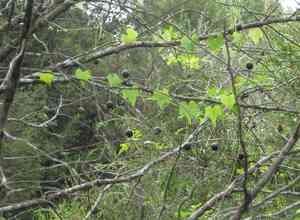
Originating from the southeastern United States, creeping cucumber is a rapidly developing climber that yields yellow blossoms and palatable fruits akin to cucumbers. To manage its expansion and stimulate fruit production, trim creeping cucumber by shortening overly extended tendrils, particularly throughout the spring and summer seasons. Remove any withered or ailing shoots, and thin out congested sections to improve air movement. Perform a light trim in autumn to preserve its form. Refrain from extensive pruning, as this can cause stress to creeping cucumber and diminish its output. Advantages of pruning encompass enhanced plant vitality and more abundant fruit bearing.
What Are the Benefits of Pruning Creeping Cucumber?
What Are the Benefits of Pruning Creeping Cucumber?
Trimming creeping cucumber promotes vigorous development and maintains its desired shape, ensuring it flourishes and remains aesthetically pleasing in the garden.
What Is the Best Time for Pruning Creeping Cucumber?
What Is the Best Time for Pruning Creeping Cucumber?
From late winter to early spring, creeping cucumber exits dormancy, making it an optimal period for pruning without causing plant stress. This timeframe allows for the removal of any frost-damaged vines from winter and prepares for new growth. Summer trimming can enhance air circulation, light penetration, and manage the plant's size, which is vital as creeping cucumber can become invasive. It's also beneficial to maintain plant health by eliminating diseased or dead plant material. By early fall, pruning can help control size and remove vines that have already produced fruit, redirecting the plant's energy toward root development for the subsequent season. Pruning during active growth phases in spring and summer should be light to avoid hindering fruit development.
What Tools Do I Need to Prune Creeping Cucumber?
Hand Pruners
For precise cutting of creeping cucumber vines and smaller stems, bypass hand pruners are perfect. Their sharp, scissor-like action creates clean cuts that heal quickly, minimizing disease risk.
Pruning Saw
When dealing with thicker stems or overgrown sections of creeping cucumber, a pruning saw is essential. Its sawing motion allows for cutting through woodier stems without harming the plant.
Scissors
For delicate trimming of creeping cucumber, especially when harvesting fruits or thinning out smaller, non-woody tendrils, garden scissors or shears provide control and minimal damage.
Garden Gloves
Gloves protect the gardener's hands from thorns or rough stem surfaces while pruning creeping cucumber, ensuring a safe and comfortable pruning session.
Ladder
If creeping cucumber has climbed onto supports or trees and requires pruning at height, a sturdy ladder is crucial for safe access to elevated parts of the plant.
How to Prune Creeping Cucumber
Clean And Sharpen Tools
Before starting, ensure pruning shears are clean and sharp to prevent disease spread and provide a clean cut, which promotes better healing for creeping cucumber.
Remove Dead Stems
Identify and cut away any dead stems near their origin from the main vine or ground level to improve creeping cucumber's overall health and appearance. Make cuts just above an outward-facing leaf node or bud to encourage a more open growth habit.
Eliminate Diseased Vines
Carefully remove any diseased vines to prevent pathogen spread. When pruning creeping cucumber, be sure to dispose of these cuttings properly and not in the compost to avoid reintroducing potential diseases.
Prune Weak Shoots
Prune out weak or thin shoots from creeping cucumber that are unlikely to bear fruit or contribute to the plant's vigor. This redirects resources to stronger, more productive growth.
Clean Up
After pruning creeping cucumber, clear all debris from the area to reduce the chance of pests or diseases lingering. Clean and disinfect tools again to ensure they are ready for future use.
Common Pruning Mistakes with Creeping Cucumber
Over-Pruning
Removing too much foliage at once can stress creeping cucumber, impeding its growth and jeopardizing the plant's health.
Improper Tool Use
Using dull or dirty cutting tools can create jagged cuts that are susceptible to disease and may damage creeping cucumber's delicate vines.
Pruning Healthy Growth
Cutting away healthy stems and leaves without cause can limit creeping cucumber's potential fruit production and growth vigor.
Common Pruning Tips for Creeping Cucumber
Selective Pruning
Focus on removing only the dead or overgrown sections of creeping cucumber to maintain healthy air circulation and the plant's shape.
Hygienic Practices
Always use clean, sharp tools to make precise cuts, which help promote quick healing and reduce the risk of disease for creeping cucumber.
Encouraging New Growth
Make cuts just above a leaf node or bud to stimulate creeping cucumber to produce new, healthy growth in the desired direction.



