How to Prune Lemon balm?
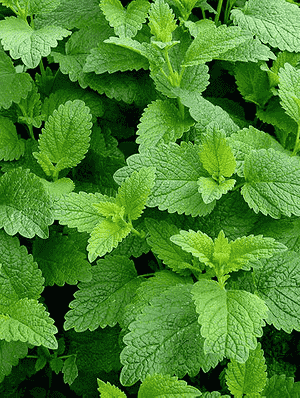
A perennial herb valued for its citrus-fragranced foliage, lemon balm flourishes with consistent cutting to foster dense development. Trim in early spring to sculpt and eliminate deceased matter. Following blooming, reduce by a third to stimulate fresh leaves. In late summer, further trim for compactness, refraining from late cuts that could damage frost-vulnerable new shoots. Trimming produces fragrant clippings and sustains plant vitality.
What Are the Benefits of Pruning Lemon Balm?
What Are the Benefits of Pruning Lemon Balm?
Trimming lemon balm promotes vigorous development by eliminating dead or overgrown stems, thereby enhancing air movement and light penetration. Strategic cuts help preserve lemon balm's form for an attractive garden display.
What Is the Best Time for Pruning Lemon Balm?
What Is the Best Time for Pruning Lemon Balm?
These periods are ideal as lemon balm enters a strong growth phase in spring, which pruning stimulates. Trimming then encourages a bushy habit, removes winter damage, and fosters new, fragrant leaves for cooking and medicine. Lightly trim throughout the growing season to maintain shape and continuous leaf production. Late summer pruning should be minimal and completed well before the first frosts to avoid promoting tender growth vulnerable to cold. Pruning during these times aligns with lemon balm's natural cycles, ensuring plant health and vigor, while avoiding the flowering period, typically mid to late summer.
What Tools Do I Need to Prune Lemon Balm?
Hand Pruners
Since lemon balm is a small perennial herb, hand pruners are perfect for trimming and shaping the plant. They provide a clean cut essential for preventing damage and disease.
Shears
Lemon balm can grow dense and may need trimming to keep its shape and stimulate new growth. Shears are suitable for uniformly cutting back larger sections.
Pruning Scissors
For delicate tasks like snipping off dead or yellow leaves and shaping lemon balm, pruning scissors offer precision and control.
Garden Gloves
Wearing garden gloves is crucial for protecting hands from cuts and plant residues while pruning lemon balm.
How to Prune Lemon Balm
Step1: Sanitize Pruning Shears
Clean your pruners. Before trimming lemon balm, disinfect the blades of your pruning shears with an alcohol wipe or immerse them in a solution of 1 part bleach to 9 parts water to prevent disease spread.
Step2: Inspect for Dead Stems
Examine lemon balm for dead stems. Dead stems are woody and brown, and they do not spring back if bent. They also will not have living leaves or green growth.
Step3: Prune Dead Stems
Remove dead stems. Using your sanitized shears, cut dead stems at the plant's base where they meet healthy, living growth. Make cuts at a slight angle to prevent water accumulation on the cut end, which could lead to rot.
Step4: Identify Yellow Leaves
Locate yellow leaves. Yellow leaves are often older leaves that are dying naturally, or they may indicate water stress, either too much or too little.
Step5: Trim Yellow Leaves
Remove yellow leaves. Snip the yellow leaves off at their base where they meet the stem or a larger branch of lemon balm. If yellowing is widespread, address potential water stress issues separately.
Step6: Identify Diseased Leaves
Identify diseased leaves. Look for leaves with spots, discoloration, or deformity, which could signal fungal infections or pest infestations.
Step7: Remove Diseased Leaves
Carefully remove diseased leaves. Use your pruners to snip the diseased leaves from lemon balm at the base of the leaf stem. Be careful to avoid spreading any disease by not touching unaffected parts of the plant with the diseased leaves or pruners.
Step8: Dispose of Plant Waste
Properly dispose of trimmings. Do not compost dead or diseased materials. Dispose of them in the trash or by burning, if permitted, to prevent spreading pathogens or pests.
Step9: Adjust Watering Post-Pruning
Water lemon balm correctly after pruning. If the plant was water stressed, ensure consistent and appropriate watering as lemon balm recovers from the trimming.
Step10: Monitor Plant Health
Monitor lemon balm post-pruning for health. New growth should be vibrant and green. Keep an eye out for signs of stress or disease and address them promptly to maintain lemon balm's health.
Post-Pruning Care for Lemon Balm
Post-Pruning Care for Lemon Balm
After pruning lemon balm, immediately water the soil to aid healing. Optimize light conditions, providing partial shade to ease lemon balm's recovery. Maintain moderate humidity and a temperature between 60-70°F (15-21°C). Apply a balanced liquid fertilizer to replenish nutrients; dilute it to half strength to prevent over-fertilization. Monitor lemon balm for wilting or discoloration, signs of stress or infection. If symptoms appear, adjust care and consult a horticulturist for potential treatments.
Common Pruning Mistakes with Lemon Balm
Over-pruning reduces photosynthesis and plant vitality
Excessive pruning, which can significantly diminish the plant's ability to photosynthesize and thrive, leading to a weakened lemon balm.
Pruning too close to base may damage crown and attract pests
Trimming too close to the base or soil line, which might harm the crown of lemon balm and potentially lead to disease or pest infestation.
Failing to remove dead foliage wastes resources and increases ailment risk
Neglecting to remove dead or diseased foliage, potentially causing the plant to expend resources on non-viable parts and increasing susceptibility to further ailments.
Dull or dirty tools cause poor cuts and open pathogen entry
Using dull or unclean pruning tools, which can result in jagged cuts and make lemon balm vulnerable to pathogens.
Not respecting plant's natural shape leads to uneven growth
Ignoring the plantâs natural form, which can lead to uneven growth and diminish the appearance of lemon balm.
Common Pruning Tips for Lemon Balm
Sterilize tools for disease-free pruning and cleaner cuts
Disinfect pruning tools before use to minimize disease spread and ensure clean cuts for lemon balm.
Regularly remove only dead or unhealthy foliage for plant health
Regularly remove only dead, damaged, or diseased foliage to maintain the health and aesthetic appeal of lemon balm.
Angled cuts above leaf nodes to focus growth and save energy
Make angled cuts just above a leaf node to encourage new growth and ensure energy is directed to thriving parts of lemon balm.
Prune maintaining natural shape for better air flow and sunlight
Maintain the natural shape of lemon balm while pruning, and aim to thin rather than shape, to enhance sun exposure and air circulation throughout the plant.
Light pruning post-flowering for increased leaf harvest
After the initial flowering, lightly prune lemon balm to encourage a second flush of growth and prolong the harvesting period of the leaves.
Avoid excessive pruning by limiting to one-third of plant's volume
Ensure not to prune more than one-third of the plant's volume in a single session to prevent shock and maintain the health of lemon balm.



