How to Prune Smallflower melicgrass?
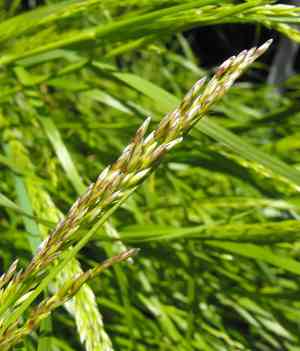
Smallflower melicgrass, an indigenous perennial grass, features thin stalks and subtle blossoms. The most effective time for trimming is in early spring or winter to preserve neatness and stimulate fresh development. Remove withered leaves at the plant's base and reduce crowded sections to improve air movement. These actions deter pests and illnesses, leading to a more robust and attractive specimen. Refrain from over-trimming to safeguard the grass's inherent shape. Pruning contributes to ecological equilibrium, fostering thriving wildlife environments.
Advantages of Trimming Smallflower Melicgrass
Advantages of Trimming Smallflower Melicgrass
Trimming smallflower melicgrass promotes more robust development by channeling energy to its most crucial parts, fostering a stronger framework. Regular cutting helps preserve its desired form and dimensions, leading to a neat appearance.
Optimal Time for Trimming Smallflower Melicgrass
Optimal Time for Trimming Smallflower Melicgrass
Trimming smallflower melicgrass in early spring is perfect as the plant awakens from dormancy and before new growth starts. This timing allows gardeners to sculpt the plant and eliminate any dead or damaged material from the prior season without harming new shoots and flowers. Winter pruning, when smallflower melicgrass is dormant, reduces plant stress and the chance of disease spread that can occur in warmer, wetter months. Furthermore, the plant's structure being visible without leaves in winter offers an opportunity for gardeners to make more accurate cuts.
Tools Required for Trimming Smallflower Melicgrass
Hand Pruners
Suitable for cutting small stems and removing dead or damaged foliage. They provide clean cuts that encourage rapid healing for smallflower melicgrass.
Grass Shears
Ideal for shaping and cutting back clumps of smallflower melicgrass to stimulate new growth. Their long blades are perfect for reaching into the grass without harming the plant.
Pruning Saw
Essential for removing larger, woodier stems that hand pruners cannot manage, ensuring a healthy growth pattern for smallflower melicgrass.
Gardening Gloves
Crucial for protecting hands from sharp edges while trimming smallflower melicgrass, reducing the risk of cuts and nicks, and providing a better grip on tools.
How to Trim Smallflower Melicgrass
Sanitization
Before trimming smallflower melicgrass, disinfect pruning tools with a bleach or alcohol solution to prevent disease transmission.
Identification
Examine smallflower melicgrass closely to pinpoint diseased leaves, which may show spots, discoloration, or deformities, and withered leaves that are brown and dry.
Removal
Using sharp, clean shears, carefully cut away diseased and withered leaves at their base, where they meet the stem or the ground, without harming healthy foliage.
Disposal
Remove and properly discard all trimmed material away from healthy smallflower melicgrass plants to avoid contaminating them with potentially diseased debris.
Cleanup
After trimming smallflower melicgrass, clean tools again with the sterilizing solution and ensure the area around the plant is free of trimmings to maintain good hygiene.
Common Trimming Errors with Smallflower Melicgrass
Excessive Trimming
Removing too much foliage from smallflower melicgrass at once can stress the plant, leading to reduced vigor and potential for disease.
Incorrect Cutting Technique
Using dull or dirty tools can cause jagged cuts and increase the risk of infection in smallflower melicgrass.
Unnecessary Trimming
Believing that smallflower melicgrass requires frequent trimming can lead to over-maniculation, which may weaken the plant over time.
Trimming for Shape
Attempting to overly shape smallflower melicgrass can compromise its natural form, which often results in an unhealthy appearance.
General Trimming Advice for Smallflower Melicgrass
Utilize Sharp Tools
Trimming smallflower melicgrass with sharp, clean shears will make precise cuts that heal faster and minimize damage.
Selective Thinning
Remove only the necessary, dead or damaged stalks to maintain the health and natural look of smallflower melicgrass, avoiding excessive thinning which can reduce its robustness.
Post-Flowering Tidy-up
After smallflower melicgrass has finished flowering, tidy up by removing spent flower stalks to encourage fresh growth and potentially more blooms.
Focus on Healthy Growth
When trimming smallflower melicgrass, the goal is to enhance air circulation and light penetration, which are critical for healthy growth. Aim to cut just above new growth or at the base of the tuft to avoid leaving stubs.



