How to Prune Chawan?
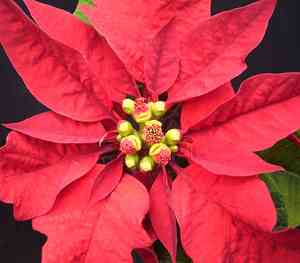
Chawan, recognized for its glandular trichomes and crimson stalks, greatly benefits from appropriate trimming. Essential pruning methods involve judiciously thinning congested limbs and precisely shaping the plant. The most effective time for pruning is in late winter or early spring, coinciding with chawan's inactive phase to foster robust new development. Important factors include sanitizing implements to avert pathogen dissemination and exercising caution to avoid excessive cutting, which could lead to abundant foliage at the detriment of fruit or blossom production.
What Are the Benefits of Pruning Chawan?
What Are the Benefits of Pruning Chawan?
Trimming chawan encourages robust development and helps maintain its form. By carefully cutting back the plant, gardeners can promote a fuller, more managed shape, supporting its overall vitality and visual appeal.
What Is the Best Time for Pruning Chawan?
What Is the Best Time for Pruning Chawan?
Pruning chawan in late winter or early spring aligns with the plant's dormant period, just before new growth begins. During these seasons, the plant is least vulnerable to stress and pests, and removing old or dead branches promotes healthier growth and better light exposure. Pruning at this time also prevents cutting off developing buds, which are crucial for chawan’s flowering and fruiting later in the year. The cut sites recover more effectively due to the upcoming active growth phase, reducing disease risk.
What Tools Do I Need to Prune Chawan?
Hand Pruners
Ideal for selective thinning of chawan. They are perfect for cutting small branches and excellent for making precise cuts without harming the plant's structure.
Loppers
Used for reaching into dense foliage and cutting thicker branches that hand pruners cannot manage. The long handles provide leverage to easily trim larger branches of chawan.
Pruning Saw
Essential for cutting branches over 1.5 inches in diameter. A pruning saw will quickly handle the tougher, woodier stems of chawan, ensuring clean cuts for healthy regrowth.
Shears
For shaping and maintaining the desired form of chawan, especially for trimming small, soft growth to encourage bushiness.
Pole Pruner
Useful for reaching high branches without needing a ladder. Given the potential height of chawan, a pole pruner allows for safe trimming of hard-to-reach areas.
How to Prune Chawan
Clean tools
Sanitize pruning shears or saws with rubbing alcohol or a bleach solution to prevent disease transmission during trimming.
Identify
Examine chawan for dead or diseased branches, identifiable by discoloration, dry or brittle texture, and the absence of healthy leaves or bark.
Cut diseased branches
Prune diseased branches first by cutting them back to healthy tissue, ensuring no diseased segments remain that could facilitate further infection.
Cut dead branches
Remove dead branches by cutting them at their base where they meet the trunk or main stem, making a clean cut that allows for proper healing of chawan.
Disposal
Dispose of the removed diseased and dead material away from chawan to prevent reinfection or the spread of disease to other plants.
Common Pruning Mistakes with Chawan
Overzealous pruning
Removing too much of chawan's foliage at once can stress the plant, leading to stunted growth or failure to thrive. Novices may not realize that cutting back more than one-third of the plant in a single pruning session can be detrimental.
Improper cut location
Making cuts either too close to the main stem or too far from a node means chawan may struggle to heal and regenerate. Incorrect cut placement can also result in unsightly growth or even infections.
Ignoring plant health
Chawan showing signs of disease or pest infestations should be treated before any significant pruning occurs. Failure to do so might worsen the problem, spreading pathogens throughout the plant.
Neglecting tool hygiene
Using dirty or contaminated tools can spread diseases between plants. It's a common oversight not to sanitize pruning shears before moving from one plant to another.
Tearing or jagged cuts
Chawan's stems require clean cuts. Rough handling or dull tools can tear the plant tissue, making chawan vulnerable to infections and impeding proper healing.
Common Pruning Tips for Chawan
Sharp tools
Ensure that pruning shears or scissors are sharp and clean before starting. This will provide a clean cut that heals quickly, minimizing the chance of disease in chawan.
Selective thinning
Focus on thinning out overcrowded areas to improve air circulation and light penetration. This practice encourages chawan to develop a stronger, more robust framework.
Prune for shape
Trim chawan with the natural shape of the plant in mind, to maintain its aesthetic whilst guiding its growth. This might include cutting back leggy branches to encourage bushier growth.
Health over aesthetics
Always prioritize the removal of dead, damaged, or diseased material from chawan before shaping. This helps to maintain the overall health of the plant, ensuring vigorous growth.
Follow natural nodes
When pruning chawan, make cuts just above leaf nodes and at a 45-degree angle. This promotes faster healing and directs new growth in the desired direction.
Consider growth patterns
Understanding how chawan grows can guide pruning decisions. For instance, if chawan blooms on last year's wood, one should be conservative with pruning to avoid cutting off potential flower buds.



