How to Prune Punk tree?
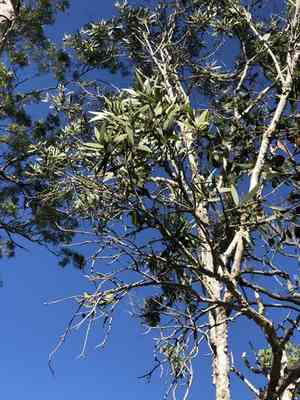
Originating from marshy areas and distinguished by its papery bark and abundant blooms, Melaleuca quinquenervia flourishes with deliberate trimming. Eliminate any lifeless or ailing branches and sculpt juvenile specimens by snipping back their terminals subsequent to blooming, which fosters a denser form. Conduct pruning in winter while the plant is inactive, steering clear of damp conditions to avert illness. This practice encourages air movement, robust development, and manages its proliferation in regions where it is not indigenous, as Melaleuca quinquenervia possesses invasive potential.
What Are the Benefits of Pruning Punk Tree?
What Are the Benefits of Pruning Punk Tree?
Trimming punk tree promotes robust development and preserves its desired form. This vital practice ensures good air and light circulation within the canopy, lowering disease risk and stimulating strong new growth.
What Is the Best Time for Pruning Punk Tree?
What Is the Best Time for Pruning Punk Tree?
Winter is considered the ideal period for pruning punk tree as it typically represents a dormant phase for this species. Pruning during dormancy minimizes plant stress since it's not actively growing, reducing infection risk and encouraging faster wound healing. Furthermore, the absence of leaves at this time offers better visibility of the plant's structure, enabling more precise and strategic cuts. Winter pruning also prevents the removal of buds that will become next season's growth, thus leaving the flowering cycle undisturbed. By adhering to this optimal pruning schedule, gardeners can ensure the health, vitality, and desirable shape of punk tree.
What Tools Do I Need to Prune Punk Tree?
Hand Pruners
Perfect for making clean cuts on punk tree's thinner branches and twigs. They ensure precise cuts without harming the plant.
Lopping Shears
Best for cutting through punk tree's thicker branches, typically up to 1.5 inches in diameter, providing increased leverage and cutting power.
Pruning Saw
Essential for removing the largest branches of punk tree that are too thick for hand pruners and lopping shears.
Hedge Shears
Useful for shaping punk tree if it is being used as a hedge or for a formal look, allowing for trimming many small branches at once.
Pole Pruner
Suitable for reaching higher branches, enabling the gardener to prune punk tree without needing a ladder, improving safety.
Gloves
Crucial for protecting hands from scratches and resin that punk tree might release during pruning.
Safety Glasses
Important for shielding eyes from flying debris when cutting branches on punk tree.
How to Prune Punk Tree
Step1: Assess Plant Pruning Needs
Prepare the necessary tools for trimming punk tree. Use sharp and clean pruning shears, loppers, or a saw depending on branch thickness. Disinfect all tools with a solution of 1 part bleach to 9 parts water to prevent disease spread.
Step2: Tool Preparation and Disinfection
Begin by removing any dead wood. Locate dead branches, which will typically lack leaves and flexibility. Make cuts at a 45-degree angle just above a growth node or bud to encourage new growth. Ensure that the cuts are clean and smooth to promote healing.
Step3: Remove Dead Wood
Identify and remove diseased branches on punk tree. Look for any signs of illness such as discoloration, cankers, or unusual growth. Prune these branches back to healthy wood, ensuring you cut at least several inches into the healthy portion to remove all diseased tissue.
Step4: Prune Diseased Branches
Trim broken limbs on punk tree. If there are partially attached limbs or those damaged by weather, remove them carefully. For large limbs, use the three-cut method: a notch cut on the underside of the limb, a relief cut further out to remove the limb weight, and a final cut close to the trunk to leave a small collar, which aids in healing.
Step5: Trim Broken Limbs
Thin out the canopy of punk tree if necessary. Remove some of the inner branches to improve light penetration and air flow throughout the canopy. This helps to reduce the chance of disease and supports healthier growth.
Step6: Canopy Thinning for Light and Air Flow
Shape punk tree if desired, but be aware that heavy top-pruning can stimulate excess vegetative growth. It is best to maintain the natural shape of punk tree by selective pruning, rather than formal shaping.
Step7: Selective Pruning for Natural Shape
Dispose of the trimmings properly. Do not compost diseased material as it can spread pathogens. Destroy or discard diseased trimmings according to local regulations.
Step8: Proper Disposal of Trimmings
After pruning, care for punk tree by watering it if the soil is dry and applying mulch around the base to conserve moisture and suppress weeds. Do not pile mulch against the trunk as it may cause decay.
Step9: Post-Pruning Plant Care
Sterilize your tools again after finishing to prevent spreading any potential pathogens to other plants in your garden.
Post-Pruning Care for Punk Tree
Post-Pruning Care for Punk Tree
Immediately after pruning punk tree, ensure clean cuts to avoid unnecessary damage. Provide ample light and maintain moderate humidity and stable temperatures to reduce stress. Implement a balanced fertilization regime to aid recovery, avoiding excessive nitrogen which can promote vulnerable new growth. Regularly inspect for signs of stress or infection, such as discoloration or wilt, and act promptly to mitigate any issues, such as adjusting watering or applying fungicides if necessary.
Common Pruning Mistakes with Punk Tree
Avoid Over-Pruning to Prevent Stress and Disease
Excessive pruning can stress punk tree, potentially leading to stunted growth or susceptibility to disease. Removing too much foliage or too many branches at once should be avoided.
Use Sharp, Clean Tools for Healthy Pruning Cuts
Using dull or dirty pruning tools can damage the branches of punk tree, creating jagged cuts that are more prone to infection. Always use clean, sharp tools for clean cuts.
Respect Plant's Natural Shape When Pruning
Pruning without considering the natural shape of punk tree can result in an unnatural appearance and may harm the plant's structural integrity. It's important to maintain the natural form when pruning.
Protect the Branch Collar During Pruning
Cutting branches flush against the trunk can remove the branch collar, resulting in improper healing and can introduce pathogens. Always cut just outside the branch collar.
Remove Dead or Damaged Branches Promptly
Ignoring dead, diseased, or damaged branches can impair punk tree's health and vigor. Regularly monitor and promptly remove such branches to maintain plant health.
Common Pruning Tips for Punk Tree
Selective Pruning for Dead or Crossing Branches
For optimal health and structure, make selective cuts to remove only the necessary branches such as those that are dead, dying, or crossing and rubbing against each other.
Promote Single Trunk by Pruning Competing Leaders
Encourage a strong framework by pruning competing leaders on punk tree to promote one central trunk, especially when the plant is young.
Tip Pruning for Bushier Plant Appearance
To promote a bushier appearance, consider light tip pruning which involves snipping the ends of branches. This can encourage punk tree to develop denser foliage.
Apply Wound Dressing to Protect Large Cuts
After making any significant cuts, apply a wound dressing to large cuts to help protect punk tree from insects and diseases.
Thin to Enhance Light and Air Penetration
When thinning out punk tree, focus on opening up the canopy to allow light and air to penetrate the inner branches which will benefit the plant's overall health and flowering.



