How to Prune Snow-in-summer?
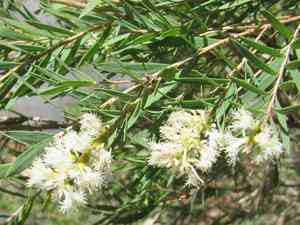
Distinguished by its cascading leaves and white bottlebrush-like blossoms, snow-in-summer flourishes when given appropriate attention. Perform pruning during the winter season to preserve its form, foster dense development, and eliminate any deceased branches. Lightly trim after the blooming period to encourage subsequent flowering. Refrain from severe cutting into mature wood, as this can diminish the production of flowers. Consistent trimming rejuvenates snow-in-summer, improving its inherent structure and floral presentation.
What Are the Benefits of Pruning Snow-in-summer?
What Are the Benefits of Pruning Snow-in-summer?
Trimming snow-in-summer promotes robust development and preserves its form. Eliminating old or overgrown branches fosters a healthier structure, which boosts the plant's aesthetic appeal and ensures its shape complements garden beauty effectively.
What Is the Best Time for Pruning Snow-in-summer?
What Is the Best Time for Pruning Snow-in-summer?
Trimming snow-in-summer from late winter to early spring is optimal as the plant is typically dormant then, minimizing stress and the chance of disease entering cuts. This timing allows for quick healing and energy allocation to new growth at the start of the growing season. It also avoids disrupting spring and summer blooms, ensuring the plant retains its decorative value. Pruning before new growth begins helps maintain snow-in-summer's shape and size, and removes any winter frost damage, preparing the plant for vigorous growth in the upcoming season.
What Tools Do I Need to Prune Snow-in-summer?
Hand Pruners (Secateurs)
Perfect for trimming smaller branches, deadheading, shaping, and maintaining the structure of snow-in-summer. Hand pruners offer precision and are suitable for cutting branches up to ¾ inch in diameter.
Loppers
Effective for reaching into the dense growth of snow-in-summer and cutting slightly larger branches, typically up to 1.5 inches in diameter. Their long handles provide greater leverage and reach.
Pruning Saws
Essential for removing larger branches that hand pruners and loppers cannot manage. Pruning saws can cut branches over 1.5 inches in diameter, ensuring a clean cut that encourages healthy regrowth in snow-in-summer.
Hedge Shears
Useful for shaping and trimming hedges or thick foliage of snow-in-summer, especially when aiming for a formal look or maintaining a straight line.
Pole Pruner
Helpful for reaching higher branches without needing a ladder. This tool ensures that pruning of snow-in-summer can be performed safely from the ground.
Gloves and Protective Eyewear
Though not a pruning tool itself, it's vital to safeguard hands and eyes from cuts, scratches, and debris when trimming snow-in-summer.
How to Prune Snow-in-summer
Clean
Sanitize your pruning tools to prevent the spread of disease when cutting snow-in-summer.
Inspect
Carefully examine snow-in-summer to identify dead or diseased branches; look for changes in color, texture, or the presence of pests as indicators.
Cut dead branches
Using sharp, clean shears, cut dead branches at the point where they meet healthy wood, making a clean, angled cut to promote water runoff and heal.
Remove diseased branches
Prune any diseased branches well below the affected area to ensure all parts of the disease are removed; dispose of these properly to prevent contamination.
Finalize
Once pruning is complete, clean the tools again and apply a natural antiseptic, like tree wound paste, to large cuts on snow-in-summer to promote healing and prevent infection.
Common Pruning Mistakes with Snow-in-summer
Over pruning
Removing too much foliage at once can stress snow-in-summer, leading to poor plant health and reduced flowering. Pruning more than one-third of the plant at a time is typically a mistake.
Improper cut sites
Cutting snow-in-summer either too close or too far from the node can hinder healing and lead to disease or pest problems. Precision in cut location is vital for healthy regrowth.
Using dull tools
Dull pruning tools can damage the branches of snow-in-summer, resulting in ragged cuts that heal poorly and may lead to disease.
Ignoring disease prevention
Failing to sterilize tools before and after pruning snow-in-summer increases the risk of spreading diseases between plants.
Pruning uniformly
Treating all parts of snow-in-summer uniformly without considering the varying growth patterns and needs can lead to suboptimal plant shape and vigor.
Common Pruning Tips for Snow-in-summer
Selective pruning
Target specific areas of snow-in-summer for pruning to maintain its natural shape and promote denser growth. Aim to thin out crowded areas and remove any dead or diseased wood.
Cut at correct angle
Make clean cuts at a 45-degree angle just above the leaf nodes to encourage healthy regrowth in snow-in-summer and prevent water accumulation that may lead to rot.
Tool maintenance
Ensure pruning tools are clean, sharp, and sterilized before use to make precise cuts and prevent disease transmission in snow-in-summer.
Periodic assessment
Regularly assess the health and shape of snow-in-summer to identify the need for corrective pruning and carry it out as necessary to maintain plant vigor.
Post pruning care
Provide snow-in-summer with appropriate aftercare following pruning, such as watering and fertilizing, to support recovery and robust growth.



