How to Prune Bur clover?
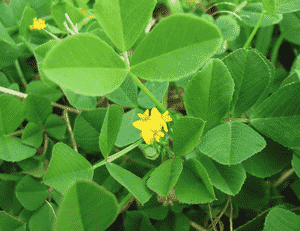
Bur clover, an annual plant that reseeds itself, featuring three-part leaves and prominent yellow blossoms, needs only light trimming to control its expansion and foster robust development. In early spring, snip the ends of young specimens to encourage a denser form. Consistently take off faded blooms to deter prolific self-propagation. Seasonal trimming should coincide with periods of vigorous growth, generally from spring through autumn. Pruning aids bur clover by preserving a neat look, regulating its size, and lessening rivalry from weeds.
What Are the Benefits of Pruning Bur Clover?
What Are the Benefits of Pruning Bur Clover?
Trimming bur clover encourages robust development, leading to a denser, healthier specimen. Regular cuts help preserve its form, preventing excessive growth and fostering an ideal plant structure.
What Is the Best Time for Pruning Bur Clover?
What Is the Best Time for Pruning Bur Clover?
Pruning or trimming bur clover is best done during Spring, Summer, and Fall as these seasons align with the plant's active growth phase. Spring pruning helps eliminate winter damage and stimulates new growth as the plant exits dormancy. Summer pruning is beneficial for shaping the plant and managing its size or preventing it from spreading too much. Additionally, fall trimming is ideal for removing spent flowers and seed heads, which can reduce self-seeding and volunteer plants the following season. It's crucial to avoid heavy pruning in Winter when bur clover is dormant, as this might impede new growth in the Spring. The recommended seasons ensure bur clover recovers quickly and that the plant's health, appearance, and productivity are maintained.
What Tools Do I Need to Prune Bur Clover?
Hand Pruners
Perfect for making precise cuts on slender stems and foliage. Given that bur clover is a small, herbaceous plant, hand pruners offer the necessary control for targeted trimming without harming the plant.
Gloves
Protection from the prickly burs that bur clover can produce is essential to prevent skin irritation or injury to the hands during pruning.
Garden Shears
Useful for quickly and efficiently trimming larger areas of bur clover, especially when managing a patch of the plant.
Waste Bag or Bin
Collects bur clover clippings to minimize the dispersal of seeds and burs that could lead to unwanted growth elsewhere in the garden.
How to Prune Bur Clover
Clean Tools
Sanitize pruning implements before use to prevent disease transmission to bur clover.
Remove Dead Shoots
Carefully snip off any dead shoots at the base to encourage new growth and prevent decay.
Trim Old Stems
Cut back old stems that no longer produce foliage or flowers, trimming them to the nearest vigorous shoot.
Cut Diseased Parts
Identify and remove diseased sections of bur clover, ensuring cuts are made into healthy tissue to inhibit further infection.
Shaping
Lightly trim bur clover to maintain its desired form and prevent overcrowding, which can lead to poor air circulation and disease.
Common Pruning Mistakes with Bur Clover
Overpruning
Removing too much foliage from bur clover at once can stress the plant, potentially leading to stunted growth or a weakened state that makes it more vulnerable to diseases.
Incorrect Cutting Technique
Using dull or dirty cutting tools, or making ragged cuts, can damage bur clover's stems, resulting in poor healing and an increased risk of disease.
Neglecting Plant Health
Pruning bur clover without first assessing its health can remove growth vital for its recovery or worsen existing problems, rather than promoting vigor.
Not Disinfecting Tools
Failing to sterilize pruning tools before and after use on bur clover can spread pathogens between plants.
Ignoring Dead Material
Overlooking to remove dead or diseased foliage promptly can hinder bur clover's growth and health by draining resources and harboring pests or diseases.
Common Pruning Tips for Bur Clover
Sharp Tools
Utilize sharp, clean pruning shears to ensure clean cuts that heal quickly, minimizing stress and disease risk for bur clover.
Selective Pruning
Prune selectively to remove only the parts of bur clover that are dead, diseased, or overgrown, thereby encouraging healthier and more productive growth.
Assess Plant Structure
Examine bur clover's natural shape and growth pattern before pruning to maintain its form and enhance its aesthetic and productive qualities.
Cut At The Right Place
When removing larger branches of bur clover, cut just above a bud or branching point, ensuring not to leave a stub that could invite disease.
Sanitation
Clean and disinfect all tools before moving from one bur clover to another to prevent the spread of disease.



