How to Prune Tenweeks stock?
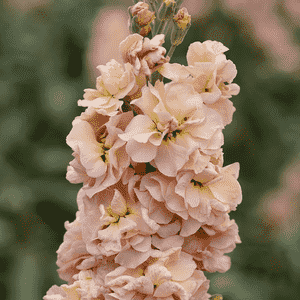
A favored horticultural specimen, tenweeks stock is recognized for its aromatic blossoms and compact flower clusters. Perform minor trimming during the cultivation period to preserve its form and foster more robust development. Remove faded blooms to encourage uninterrupted flowering. Trimming following the initial bloom can induce a subsequent flowering phase. Refrain from severe cutting to avert damage to the plant's framework. Consistent pruning results in denser plants and prolongs the blooming duration, thereby improving tenweeks stock's presentation in outdoor spaces.
What Are the Benefits of Pruning Tenweeks Stock?
What Are the Benefits of Pruning Tenweeks Stock?
Trimming tenweeks stock promotes a richer bloom, stimulates robust development for a lush look, and maintains its desired form, ensuring an attractive display.
What Is the Best Time for Pruning Tenweeks Stock?
What Is the Best Time for Pruning Tenweeks Stock?
Pruning at these times supports tenweeks stock's growth cycle by enabling the plant to focus energy on healthy shoots, which can lead to a more vigorous and floriferous display. Pruning immediately after the main flowering period helps prevent seed dispersal, directing the plant's resources into vegetative growth and potential additional blooming. Regular trimming can also shape the plant and maintain its desired size, improving its overall health and aesthetic appeal. It is, however, essential to avoid pruning during extremely hot or cold weather to prevent stress on tenweeks stock, which could inhibit growth and flowering.
What Tools Do I Need to Prune Tenweeks Stock?
Hand Pruners
Perfect for making precise cuts on tenweeks stock, hand pruners deliver clean cuts without harming the stems. Choose bypass pruners for their scissor-like action, which is gentle on plant tissue.
Pruning Shears
Tenweeks stock may need to be deadheaded or shaped to encourage a bushier growth and prolong blooming. Pruning shears are perfect for snipping off spent flowers and light shaping.
Gloves
While handling tenweeks stock, wearing gloves will protect your hands from thorns or rough foliage. Choose a durable pair that provides dexterity for detailed pruning tasks.
How to Prune Tenweeks Stock
Step1: Tool Sterilization
Prepare your pruning tools, ensuring they are sharp and clean to prevent spreading disease. Sterilize the blades with rubbing alcohol or a bleach solution (1 part bleach to 9 parts water) before beginning the pruning process.
Step2: Yellow Leaves Inspection
Inspect tenweeks stock for yellow leaves, which generally indicate either a water-related issue, aging, or disease. Identify all the yellow leaves that need to be removed.
Step3: Yellow Leaves Removal
Using your sterilized pruning shears, carefully snip off the yellow leaves at the base of the leaf stem, taking care not to damage any nearby healthy leaves or stems.
Step4: Withered Branches Identification
Look for any withered branches on tenweeks stock, which are easy to spot as they look dry and are devoid of healthy foliage or flowers. These can be a drain on tenweeks stock's resources and can invite pests and diseases.
Step5: Withered Branches Pruning
Prune the withered branches by cutting them at the point where they meet healthy tissue. Leave a small collar to help the plant heal without unnecessary exposure to pests or disease.
Step6: Overgrown Stems Trimming
Address overgrown stems that may be affecting tenweeks stock's shape or preventing light from reaching the interior of the plant. Identify the stems that require trimming to maintain the desired shape and health of tenweeks stock.
Step7: Promoting Bushiness and Blooms
To encourage bushiness and more blooms, pinch or cut the overgrown stems just above a set of leaves or a node. This type of cut will stimulate tenweeks stock to branch out just below the cut.
Step8: Post-Pruning Cleanup
After pruning, clean up all removed material from around tenweeks stock to prevent the spread of any potential diseases and to keep the growing area tidy.
Step9: Post-Pruning Watering
Water tenweeks stock adequately after pruning to help it recover, but be careful not to overwater as tenweeks stock's roots are sensitive to excessive moisture, which can lead to root rot.
Step10: Health Monitoring Post-Pruning
Monitor tenweeks stock for a few days to ensure it shows signs of healthy new growth. If any issues arise, such as further yellowing or withering, examine environmental factors such as watering practices, light conditions, and potential diseases.
Post-Pruning Care for Tenweeks Stock
Post-Pruning Care for Tenweeks Stock
Immediately after pruning tenweeks stock, ensure it's placed in an environment with diffused but bright light. Maintain moderate humidity and avoid temperature extremes to reduce stress. Begin a gentle fertilization regimen two weeks post-pruning, using a balanced liquid fertilizer to encourage recovery. Regularly inspect tenweeks stock for signs of stress, such as wilting or discoloration. If symptoms of infection appear, such as unusual spots or decay, promptly remove affected areas and apply a suitable fungicide.
Common Pruning Mistakes with Tenweeks Stock
Over-pruning: Never remove more than one-third
Pruning too much can shock tenweeks stock, leading to poor growth or reduced flowering. Always avoid removing more than one-third of the plant's overall volume during a single pruning session.
Dull or Dirty Tools: Ensure sharpness and cleanliness
Using blunt or dirty tools can damage tenweeks stock's stems, making the plant susceptible to diseases. Ensure tools are sharp and clean before starting the pruning process.
Pruning without Purpose: Plan for balanced shape
Pruning without a clear goal can result in an unbalanced shape and uneven flowering. Before cutting, assess the plant's shape and health to determine which areas need attention.
Improper Flower Cutting: Prune back to a healthy node
Snipping off only the faded flowers without cutting back to a leaf node may result in spindly growth. It is essential to prune back to a healthy node to encourage bushier growth and more blooms.
Harsh Stem Handling: Use clean cuts for removal
Avoid tearing or pulling the stems, as this can cause unnecessary stress and injury to tenweeks stock. Always use a clean cut to remove unwanted growth.
Common Pruning Tips for Tenweeks Stock
Regular Deadheading: Snip spent flowers above nodes
Deadhead spent flowers regularly by snipping them off just above a leaf node. This will redirect tenweeks stock's energy towards producing new blossoms and maintain a neat appearance.
Pinching for Fullness: Encourage side branches
To encourage fuller plants and more side branches, pinch out the top of the main stem on young tenweeks stock using your fingertips or pruning shears. This redirects growth to lateral shoots.
Correcting Legginess: Cut back stems to leaves
If tenweeks stock is becoming leggy, cut the stems back to a healthy set of leaves. This will stimulate new growth and contribute to a denser, more compact plant.
Post-Bloom Light Pruning: Tidy for potential rebloom
After the main flush of blooms fades, give tenweeks stock a light pruning to tidy up the plant and potentially stimulate a secondary flush of flowers. Remove only the necessary parts to keep the plant's shape.
Controlled Substantial Pruning: One stem at a time
For substantial pruning needs, target one stem at a time to maintain control over the plantâs final form and to ensure each cut is precise and clean.



