How to Prune German chamomile?
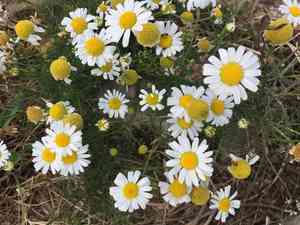
German chamomile, a cherished herbaceous annual prized for its aromatic blossoms and therapeutic qualities, needs very little trimming. Essential methods involve nipping off the ends to foster a more compact form and removing faded blooms to stimulate ongoing flowering. The most effective time for pruning is from the beginning of spring until late autumn, coinciding with the plant's active growth period. Consistent elimination of lifeless or frail stalks boosts the plant's robustness and optimizes flower yield, which is crucial for its herbal applications.
What Are the Benefits of Pruning German Chamomile?
What Are the Benefits of Pruning German Chamomile?
Trimming german chamomile promotes robust development and preserves its desired form. This action ensures energy is directed towards cultivating a strong plant with an appealing look, boosting its vigor and aesthetic value.
What Is the Best Time for Pruning German Chamomile?
What Is the Best Time for Pruning German Chamomile?
In early spring, german chamomile is just starting its growth phase, making it an ideal period to cut back old growth and shape the plant before new shoots emerge. This fosters healthier, more vigorous new growth and helps prevent disease by removing potentially infected or pest-ridden foliage from the prior year. Pruning at this time allows gardeners to channel the plant's energy into producing strong new stems and leaves. Late fall, after the flowering season has concluded and the plant has entered dormancy, is also suitable for pruning. This timing helps prepare german chamomile for the subsequent growing season by eliminating dead or weak stems and can lessen the chance of disease during the winter months when the plant is not actively growing. Adhering to these guidelines ensures german chamomile has the best opportunity for healthy growth and abundant blooms in its next cycle.
What Tools Do I Need to Prune German Chamomile?
Hand Pruners
Specifically, bypass pruners are suitable for making clean and precise cuts on german chamomile, which is essential for maintaining plant health and encouraging the production of healthy blooms.
Snips or Micro-Tip Pruning Snips
These are ideal for harvesting the small flower heads of german chamomile and for detailed pruning work, as they allow for precision and minimal damage to the delicate stems and foliage.
Gloves
Wearing gloves can protect the gardener's hands from scratches and natural oils present in german chamomile, which might be irritating to some skin types.
Pruning Shears
These may be used for shaping and controlling the growth of german chamomile if there is a need for cutting through thicker stems, though this is less common.
How to Prune German Chamomile
Step1: Identify Pruning Targets
Identify the parts of german chamomile that require pruning: focus on dead flowers, diseased foliage, and leggy stems. Pruning should be done to promote healthy growth and maintain an aesthetically pleasing shape.
Step2: Sterilize Pruning Tools
Sterilize your pruning tools with a diluted bleach solution or rubbing alcohol to prevent the spread of disease amongst plants.
Step3: Remove Dead Flowers
Start with dead flowers. Pinch or use clean scissors to cut off the flower heads once they've wilted and turned brown. Cut just below the flower head, leaving minimal stem to promote new growth.
Step4: Cut Diseased Foliage
For diseased foliage, remove any leaves showing signs of disease â these may be discolored, spotted, or distorted. Make cuts on the stems well below the affected areas to ensure all diseased material is removed.
Step5: Trim Leggy Stems
Address leggy stems which indicate german chamomile may not be getting enough light or may be too crowded. Cut these stems back to a node (a place where a leaf joins the stem) that is facing outward to encourage a more compact, bushy growth pattern.
Step6: Clean Up Plant Debris
After pruning, clear away all the removed plant material from the soil to prevent any potential disease from spreading or attracting pests.
Step7: Water the Plant Post-Pruning
Water german chamomile moderately after pruning, as this can help reduce stress on the plant and support recovery and new growth.
Step8: Monitor Plant's Recovery
Monitor german chamomile over the following weeks to ensure it recovers well from pruning, and apply a balanced fertilizer if necessary to aid in healthy regrowth.
Post-Pruning Care for German Chamomile
Post-Pruning Care for German Chamomile
Immediately after pruning german chamomile, water gently to ease stress and maintain moist soil without waterlogging. Ensure german chamomile receives partial to full sun post-pruning, maintaining temperatures around 60-68°F (15-20°C) and moderate humidity. Implement a balanced fertilizer to aid recovery, halving the usual strength to avoid overfeeding. Monitor german chamomile for wilting or discolored leaves, which can indicate stress or disease; if such symptoms occur, adjust care and possibly consult a plant health expert. Regularly inspect cut sites for healing and signs of infection.
Common Pruning Mistakes with German Chamomile
Over-pruning reduces flowering potential
Pruning too aggressively, which can stress german chamomile and reduce its ability to produce flowers.
Dull or dirty tools hinder clean cuts and invite disease
Using dull or unclean pruning tools, leading to jagged cuts and potential disease introduction.
Avoid cutting healthy buds to maintain plant yield
Removing healthy flowers and buds, which diminishes the overall yield of german chamomile.
Common Pruning Tips for German Chamomile
Encourage bushiness by trimming top third at 8 inches
Snip off the top third of german chamomile once the plant reaches about 8 inches in height to encourage bushy growth and more blooms.
Use sharp, sterilized shears for cuts above leaf nodes
Make clean cuts just above a leaf node to promote new branching and utilize sharp, sterilized pruning shears.
Deadhead after first bloom to promote second blooming
After the first bloom, deadhead spent flowers by cutting the flower stem back to the first set of healthy leaves to stimulate a second blooming.



