How to Prune European waterclover?
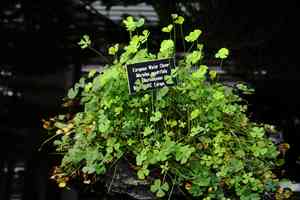
Distinguished by its four-leaf clover appearance, european waterclover flourishes in watery habitats. Trimming entails detaching withered or discolored foliage at their bases to preserve vitality and visual appeal. The most opportune period for pruning is throughout spring and summer when development is robust. Pruning additionally helps manage its proliferation within aquatic systems. Employing disinfected implements minimizes the chance of illness. Advantages of pruning encompass fostering denser greenery and potentially improving water purity by diminishing decomposing plant material.
Advantages of Trimming European Waterclover
Advantages of Trimming European Waterclover
Trimming european waterclover encourages robust development and helps preserve its desired form, ensuring a compact and visually appealing aquatic display that stays contained and prevents excessive growth.
Optimal Time for Pruning European Waterclover
Optimal Time for Pruning European Waterclover
Pruning european waterclover during Spring and Early Summer aligns with its active growth phase, which typically starts as water temperatures rise and daylight hours increase. In Spring, the plant begins to emerge from its dormant winter state, making it an ideal period to remove any dead foliage without stressing the plant. This also stimulates new growth. Pruning in Early Summer can help maintain the desired shape and prevent overcrowding, ensuring sufficient light and space for healthy frond development. It is during these seasons that pruning will not disrupt the plant's natural reproductive and dormancy cycle. As european waterclover tends to grow quickly under favorable conditions, timely trimming helps preserve the plant's health and maintain water quality by preventing excessive decay of plant matter in the aquatic environment.
Tools Required for Pruning European Waterclover
Aquatic Plant Scissors
These offer precision for careful trimming of european waterclover's delicate leaves in a water-rich setting, making them perfect for handling the soft foliage and the plant's aquatic nature.
Fine Pruning Shears
These are suitable for snipping any tougher stems or roots without harming the plant. European waterclover may occasionally require trimming above water level, and fine pruning shears can assist with accurate cuts.
Rake
A small, hand-held rake can be used to gently comb through european waterclover's environment to remove debris and dead foliage without disturbing the roots.
Gloves
While european waterclover is not particularly thorny or abrasive, wearing gloves can protect hands from prolonged water exposure and potential irritants found in pond environments.
How to Prune European Waterclover
Sanitize Tools
Before beginning, ensure all pruning tools are clean and sterilized to prevent disease transmission.
Examine Plant
Inspect european waterclover closely to identify diseased leaves, withered leaves, and diseased stems that require removal.
Trim Leaves
Trim diseased and withered leaves at their base where they connect to the stem. Make clean cuts and avoid tearing to minimize damage to the remaining healthy parts.
Remove Stems
Carefully cut back any diseased stems close to the water level to prevent future decay and encourage healthy growth. Avoid cutting healthy stems.
Disposal
Collect all removed leaves and stems to prevent the spread of potential diseases and dispose of them properly away from healthy plants.
Common Pruning Errors with European Waterclover
Excessive Pruning
Trimming european waterclover too severely can weaken the plant and diminish its vigor. European waterclover has a delicate balance, and removing too much foliage can hinder its growth.
Ignoring Dead Material
Failing to remove dead or yellowing leaves from european waterclover can lead to decay and potential disease spread. It is crucial to remove dying material to maintain plant health.
Pruning In Wet Conditions
Cutting european waterclover when it is wet can heighten the risk of disease transmission. Pruning should be performed when the plant is dry.
Using Dull Tools
Employing dull pruning tools can result in jagged cuts that make european waterclover more vulnerable to infections. Sharp, clean tools are essential for making clean cuts.
Inconsistent Pruning
Irregular pruning can lead to uneven growth and a lack of shape in european waterclover. Regular and consistent pruning helps maintain an aesthetically pleasing appearance and health.
Ignoring Plant Architecture
Not considering the natural growth pattern of european waterclover can lead to an unhealthy structure. Pruning should enhance the plant's inherent shape, not work against it.
General Pruning Advice for European Waterclover
Clean Equipment
Using sterilized pruning tools helps prevent disease spread. Ensure tools are clean before making cuts on european waterclover.
Selective Trimming
Focus on thinning out dense leaf areas to improve light penetration and air circulation for european waterclover, which can promote healthier growth.
Cut At Base
When removing dead material, cut the petioles or stems of european waterclover at their base, near the root or rhizome, to encourage new growth and maintain a tidy appearance.
Prompt Removal
Quickly remove any diseased or damaged foliage from european waterclover to prevent any potential disease spread and to encourage the growth of healthy tissue.
Gentle Handling
European waterclover's foliage is delicate; handle it carefully during pruning to avoid unnecessary damage to healthy leaves and stems.
Respect Growth Cycle
Prune european waterclover by considering its growth cycle and only remove as much growth as necessary to encourage a flush of new, healthy leaves.



