How to Prune Prayer plant?
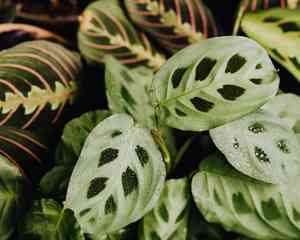
The prayer plant, a tropical perennial recognized for its distinctive leaves that fold inward during darkness, thrives with consistent trimming. To stimulate denser development, cut directly above leaf nodes with sharp scissors. Remove elongated stalks, discolored leaves, and spent blossoms, preferably from early spring through late autumn, aligning with its period of vigorous growth. Routine trimming deters illness and fosters a compact shape, elevating the prayer plant's aesthetic value. Refrain from extensive pruning in winter to avert undue strain on the prayer plant.
What Are the Benefits of Pruning Prayer Plant?
What Are the Benefits of Pruning Prayer Plant?
Trimming prayer plant promotes robust development and preserves its desired form. By carefully cutting, gardeners encourage denser foliage and prevent sparse growth, thereby enhancing prayer plant's decorative appeal.
What Is the Best Time for Pruning Prayer Plant?
What Is the Best Time for Pruning Prayer Plant?
In early spring, prayer plant begins vigorous growth after winter dormancy, making it the perfect time to shape the plant and remove any dead or damaged leaves, thus directing its energy toward new, healthy development. Throughout the growing season, extending into summer, trimming can be done to maintain the plant's size and shape. As prayer plant enters late fall, growth slows, but light pruning can still be performed to keep the plant tidy before the reduced growth phase of winter. Pruning outside these seasons, especially in mid-winter, can stress prayer plant, as the plant is in a state of rest and recovery, and cuts may not heal as quickly, increasing disease risk.
What Tools Do I Need to Prune Prayer Plant?
Clean, Sharp Scissors or Snips
Given the delicate nature of prayer plant's leaves, using clean, sharp scissors or snips will allow for precise cuts without harming the foliage or stems. These tools are ideal for removing dead or yellowing leaves and can help prevent disease spread by creating clean cuts that heal faster.
Gloves
Wearing gloves while pruning prayer plant protects the gardener's hands and prevents the transfer of oils and potential pathogens to the plant. Since prayer plant has soft stems and leaves, gloves also provide a better grip without applying excessive pressure.
Disinfectant (Isopropyl Alcohol or Plant-Friendly Solution)
Before and after pruning prayer plant, sterilizing the tools with an appropriate disinfectant is crucial to prevent the introduction or spread of diseases. This step is vital for maintaining plant health and ensuring that pruning encourages growth rather than causing harm.
How to Prune Prayer Plant
Step1: Sanitizing Pruning Tools
Sanitize your pruning tools, such as sharp scissors or pruning shears, before starting to prune prayer plant to prevent disease spread. Wipe the blades with alcohol or a bleach solution.
Step2: Identifying Dead Leaves
Identify the dead leaves on prayer plant which are typically brown, dry, and brittle. Look closely as some dead leaves may still be partially attached to a living stem.
Step3: Cutting Dead Leaves
Make a clean cut to remove dead leaves. Cut the stem of the dead leaf as close to the main stem as possible without damaging it. This can help prevent diseases and pests.
Step4: Spotting Yellow Leaves
Spot the yellow leaves, which often indicate overwatering or insufficient light. Like dead leaves, these should be removed to redirect energy to healthier parts of prayer plant.
Step5: Trimming Yellow Leaves
Trim yellow leaves by cutting the leaf stem close to the base without nicking the main stem or other healthy leaves and stems.
Step6: Identifying Leggy Stems
Identify leggy stems, which are stems with sparse leaf growth that appear elongated and weak, often due to inadequate light or overfertilization.
Step7: Pruning Leggy Stems
Prune leggy stems to encourage bushier growth. Make the cut above a leaf node (the point where the leaf joins the stem) to promote new growth from that spot.
Step8: Shaping the Plant
Shape prayer plant as desired but avoid over-pruning. Always keep at least two-thirds of the foliage to ensure prayer plant can continue to photosynthesize effectively.
Step9: Disposing of Trimmings
Dispose of the trimmings properly by placing them in a compost bin or appropriate green waste disposal to prevent any plant diseases from spreading.
Step10: Post-Pruning Care
After pruning, care for prayer plant by ensuring it has the right environmental conditions. This includes indirect sunlight, high humidity, and consistent watering without letting the soil become waterlogged.
Step11: Monitoring for New Growth
Monitor prayer plant for a few weeks after pruning for signs of new growth. This is a good indication that your pruning was successful and prayer plant is healthy.
Post-Pruning Care for Prayer Plant
Post-Pruning Care for Prayer Plant
Immediately after pruning prayer plant, ensure it's placed in indirect, bright light to aid recovery without leaf burn. Maintain high humidity levels and consistent temperatures between 60-75°F. Begin a diluted, balanced fertilization regimen a month post-pruning to avoid overwhelming the roots. Monitor prayer plant for yellowing leaves or wilting as signs of stress. If infection signs such as spots or rot appear, isolate the plant and remove affected areas. Consistent, gentle care is crucial for prayer plant's post-pruning recovery.
Common Pruning Mistakes with Prayer Plant
Using Dull or Dirty Pruning Tools
Using dull or dirty pruning tools which can harm prayer plant's delicate stems and leaves or introduce disease.
Over-pruning Leaves and Reducing Photosynthesis
Removing too many leaves at once which can stress prayer plant and hinder its ability to photosynthesize efficiently.
Pruning Healthy Instead of Only Dead Leaves
Trimming healthy growth instead of focusing on dead or yellowing leaves which can reduce the plantâs vitality.
Incorrect Cuts Across Leaf Nodes
Cutting directly across the leaf nodes, preventing new growth from emerging at those points.
Common Pruning Tips for Prayer Plant
Sharp, Clean Cuts for Quick Healing
Always use sharp, clean shears to make precise cuts that will heal quickly and reduce the risk of infection.
Remove Dead Foliage to Boost Growth
Focus on removing any yellow, brown, or dead leaves at the base of the stem to promote healthier growth and appearance.
Pinching Tips for Bushier Growth
To encourage bushier growth, pinch off the tips of the plant just above a leaf node where new leaves can sprout.
Gradual Shaping for Plant Health
If pruning to shape prayer plant, do so gradually over time to maintain plant health, allowing it to recover between prunings.



