How to Prune Sapodilla?
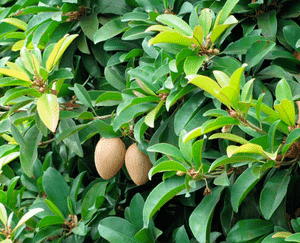
Hailing from the tropical forests of Central America, the sapodilla tree is distinguished by its abundant leaves and sugary, pear-like produce. Essential trimming methods involve excising lifeless or ailing limbs, reducing crowded sections to boost air movement, and sculpting the crown for symmetrical development. The most effective time for pruning is in the spring, aligning with the plant's period of vigorous development. Trimming sapodilla not only boosts the yield of fruit but also averts potential issues with pests and illnesses by enabling superior sun exposure and ventilation.
Advantages of Pruning Sapodilla
Advantages of Pruning Sapodilla
Pruning sapodilla enhances fruit yield by improving light exposure and air movement, vital for fruit development. It stimulates strong growth, ensuring a sturdy framework. Strategic cuts help maintain sapodilla's desired form, boosting its visual appeal and simplifying maintenance.
Optimal Time for Pruning Sapodilla
Optimal Time for Pruning Sapodilla
Pruning sapodilla in late winter to early spring, just before the growth season begins, is beneficial as it prepares the plant for a strong surge of new growth with warmer temperatures. This timing avoids significant sap loss, which is more likely if pruned during active growth or in sap-heavy summer months. It also allows for the removal of any winter frost damage. Pruning at this time helps ensure quick healing of cuts and wounds with new growth, reducing stress on sapodilla and lowering disease risk. Since sapodilla may produce flowers or fruits later in the growing season, spring pruning prevents the removal of potential flowering and fruiting sites. This improves sapodilla's ability to produce a good harvest.
Tools Required for Pruning Sapodilla
Hand Pruners
For young or small sapodilla trees, hand pruners are ideal for making clean cuts on branches under 3/4 inch in diameter.
Lopping Shears
When dealing with branches too thick for hand pruners, typically up to 1 1/2 inches in diameter, lopping shears offer the necessary leverage for precise cuts without harming sapodilla.
Pruning Saw
For removing larger limbs from mature sapodilla trees, a pruning saw is essential for branches over 1 1/2 inches thick, ensuring clean cuts that encourage healthy regrowth.
Pole Pruner
To safely reach higher branches without a ladder, a pole pruner is recommended for sapodilla, allowing selective limb pruning while maintaining ground stability.
Hedge Shears
Though not typically used for sapodilla, hedge shears can be useful for shaping the outer canopy if a more formal look is desired.
How to Prune Sapodilla
Clean Tools
Sanitize pruning tools using a solution of one part bleach to nine parts water or an alcohol solution to prevent disease transmission.
Identify Parts
Examine sapodilla to locate dead or diseased branches, identifiable by discoloration, lack of foliage, or clear signs of decay, fungi, or pests.
Cut Angle
Make cuts at a 45-degree angle approximately 1/4 inch above a bud or branch collar to promote proper healing, avoiding stubs that can lead to rot.
Remove Damaged
Carefully remove all dead and diseased branches from sapodilla, cutting back to healthy tissue to ensure the plant's energy is directed towards vigorous growth.
Cleanup
Dispose of removed branches away from sapodilla to prevent re-infection or pest infestation, and clean the work area to maintain a tidy environment around the plant.
Common Pruning Errors with Sapodilla
Over Pruning
Removing too much of sapodilla at once can stress the plant, potentially leading to stunted growth or even death. The tree should not be stripped of too many leaves or branches as they are needed for photosynthesis and maintaining the plantâs health.
Wrong Technique
Using improper cutting methods such as tearing or making blunt cuts can damage sapodillaâs branches and trunks, making it vulnerable to diseases and pests. Clean, sharp cuts are vital for the plant's health.
Pruning Young Trees
Trimming sapodilla when it is too young can impede its proper structural development. Young trees should be allowed to grow naturally unless dead or diseased branches require removal.
Neglecting Tools
Using unsanitized or dull tools for pruning can introduce disease to sapodilla or cause unnecessary injury to the plant. Itâs crucial to use sharp, sterilized pruning equipment.
Improper Cuts
Making cuts too close or too far from the branch collar can lead to poor wound healing and expose sapodilla to infections. It is important to make pruning cuts at the correct spot for proper healing.
General Pruning Advice for Sapodilla
Health Maintenance
Regularly inspect and remove any unhealthy, dead, or damaged branches from sapodilla to maintain its vitality. This practice prevents disease spread and encourages robust growth.
Structural Pruning
Focus on pruning to maintain the structural integrity of sapodilla. Remove branches that are crossed, rubbing, or growing inward towards the center of the canopy to improve air circulation and light penetration.
Tools Preparation
Ensure all pruning tools are sharp and properly sterilized before beginning work on sapodilla to prevent disease transmission and ensure clean cuts for better healing.
Correct Angle
When pruning branches off sapodilla, cut at a slight angle about a quarter inch above a bud facing the outside of the plant. This encourages outward growth and allows water to run off the cut surface, reducing disease risks.
Post Pruning Care
After pruning, provide sapodilla with adequate water and, if necessary, a balanced fertilizer to support recovery and new growth. This care supports robust growth and flowering post-pruning.



