How to Prune Cassava?
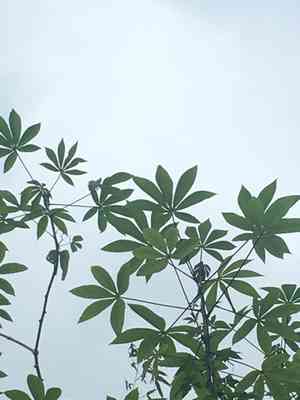
A fundamental tuber in equatorial zones, cassava flourishes with judicious trimming to boost output. Essential methods involve severing suckers and barren stalks, preserving two to four robust stems per specimen. Perform pruning from early spring through late autumn, steering clear of damp conditions to mitigate disease potential. Pruning invigorates growth, optimizes air movement, and strengthens root formation. Execute precise cuts and disinfect implements to avert contagions.
What Are the Benefits of Pruning Cassava?
What Are the Benefits of Pruning Cassava?
Trimming cassava promotes robust development and maintains its desired form, crucial for peak yield and easy harvesting. It enhances air movement, lowering disease risk.
What Is the Best Time for Pruning Cassava?
What Is the Best Time for Pruning Cassava?
Cassava's life cycle includes a dormant phase when trimming is advantageous, as it minimizes plant stress. Pruning in early spring allows cassava to efficiently direct energy into new growth as it exits dormancy. Late fall pruning coincides with the end of the active growth period, preparing cassava for the upcoming dormant season by removing any dead or diseased tissue, thereby reducing the risk of pest and disease issues. Additionally, pruning before flowering and fruiting periods ensures the plant's energy is channeled towards producing a healthy harvest.
What Tools Do I Need to Prune Cassava?
Hand Pruners
For precise cuts and shaping of cassava, a sharp pair of hand pruners, also known as secateurs, is essential. They are ideal for trimming smaller stems and removing any dead or diseased plant material.
Loppers
To efficiently cut through thicker stems and branches of cassava that hand pruners cannot handle, loppers provide the necessary leverage and reach.
Pruning Saw
For the mature and woody stems of cassava, a pruning saw is necessary. Its serrated blade makes it suitable for cutting stems that are too thick for loppers.
Gloves
Wearing durable gloves while pruning cassava helps protect the gardenerâs hands from potential irritants found in the sap or from sharp edges.
Disinfectant
A solution to disinfect tools after use prevents the spread of diseases between plants when pruning cassava. Regular cleaning ensures healthy cuts and plant growth.
How to Prune Cassava
Step1: Remove Withered Leaves
Identify and Remove Withered Leaves: Carefully inspect cassava for any withered or yellowed leaves. These are usually found at the lower part of the plant. Using sterilized pruning shears, snip the withered leaves off at the base where they meet the stem or branch, ensuring not to damage the main stem or nearby healthy leaves. Remove all debris from the area to prevent the spread of pests or diseases.
Step2: Prune Diseased Stems
Inspect for Diseased Stems: Look for signs of disease on cassava's stems such as unusual coloration, spots, or growths. Confirm the disease symptoms with a reputable horticultural resource to ensure accurate identification. Once a diseased stem is identified, prune it back to a healthy section using sterilized pruning shears. If the entire stem is affected, remove it at the base where it meets the main stem or soil line.
Step3: Cut Weak Branches
Prune Weak Branches: Weak or spindly branches on cassava can be identified by their thin appearance and lack of vigor or foliage. These branches are often unproductive and can be removed to redirect energy to stronger parts of the plant. Prune these weak branches close to the main stem at a 45-degree angle to promote proper healing and prevent water collection on the cut surface.
Step4: Shape Plant Structure
Shaping the Plant: After the removal of withered leaves, diseased stems, and weak branches, assess the overall shape of cassava. It is important to maintain an upright and open structure to facilitate light penetration and air circulation. If required, lightly thin out dense areas by selectively removing some branches. This will enhance the overall health and productivity of cassava.
Step5: Dispose of Clippings
Clean Up: Dispose of all the removed plant material properly, as it can harbor pests or disease organisms. Always clean your pruning tools after each use with a solution of 1 part bleach to 9 parts water or rubbing alcohol to prevent the spread of disease to other plants.
Step6: Care After Pruning
Post-Pruning Care: Provide cassava with adequate water and fertilizer if necessary, as pruning can stimulate new growth. Monitor the plant for signs of stress and provide additional care, which could include mulching the base or adjusting water and nutrient levels, to support its recovery and healthy regrowth.
Post-Pruning Care for Cassava
Post-Pruning Care for Cassava
Immediately after pruning cassava, maintain moderate light exposure to reduce stress; avoid direct, intense sunlight. Ensure high humidity and stable temperatures within 25-29°C to support healing. Apply a balanced, slow-release fertilizer to replenish nutrients and promote regrowth. Regularly monitor cassava for wilted leaves or stunted growth as signs of stress. If there's evidence of infection, such as discolored stems or leaves, apply an appropriate fungicide or bactericide. Consistent inspection and gentle care are crucial for cassava's post-pruning recovery.
Common Pruning Mistakes with Cassava
Over-Pruning Stress and Susceptibility
Excessive pruning can stress cassava, leading to reduced vitality and potentially making the plant vulnerable to diseases and pests.
Damage from Dull and Unclean Tools
Using dull or unclean pruning tools, which can cause damage to the tissues of cassava, leading to uneven cuts and increasing the possibility of infection.
Harmful Removal of Growing Tips and Shoots
Removing the growing tips or young shoots, as these are vital to the growth and tuber production of cassava.
Ignoring Natural Growth Patterns in Pruning
Pruning without identifying the plant's natural growth patterns, which can lead to cutting the wrong stems or branches, negatively impacting cassava's overall development.
Common Pruning Tips for Cassava
Sharp and Sterile Tool Usage
Ensure that tools are sharp and sterile before beginning the pruning process to make clean cuts and prevent the spread of disease to cassava.
Remove Dead or Diseased Stems
Focus on removing dead or diseased stems, which can help prevent the spread of pathogens and encourage healthier growth of cassava.
Proper Angle and Position for Cuts
Cut at a 45-degree angle above a node where a leaf bud is present to encourage new growth in the desired direction.
Training for Multiple Stems by Apical Meristem Pruning
Avoid pruning the apical meristem (main growing tip), unless you are training cassava to create multiple stems for increased leaf production.
Prune for Air Circulation and Sun Exposure
Thin out crowded areas to improve air circulation around cassava, which can reduce the risk of fungal infections and improve sunlight exposure for better photosynthesis.
Even Shape Structure and Support for Tuber Growth
Be mindful of the plant structure and prune to maintain an even shape, providing support for cassava where necessary, especially when growing for tuber production.



