How to Prune Mango tree?
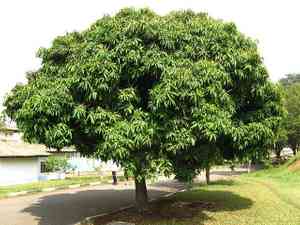
This exotic fruit-producing plant requires careful trimming to improve light access and air circulation, fostering robust development and fruit yield. For mango tree, pruning involves eliminating deceased or crossing limbs, reducing crowded canopy sections, and shortening elongated, sparse branches. The ideal period for pruning spans from early to late spring, steering clear of the rainy season to minimize the chance of illness. Consistent pruning results in better fruit dimensions and superior quality by harmonizing vegetative expansion with fruit generation.
What Are the Benefits of Pruning Mango Tree?
What Are the Benefits of Pruning Mango Tree?
Trimming mango tree promotes a more abundant yield by stimulating fruit development, encourages robust growth ensuring a strong framework, and maintains an appealing form, vital for orchard management and optimal sun exposure.
What Is the Best Time for Pruning Mango Tree?
What Is the Best Time for Pruning Mango Tree?
Pruning mango tree from early to late spring is optimal as this period follows the dormant winter phase, enabling gardeners to easily identify old, dead, or diseased wood without new foliage obstruction. Furthermore, this timing precedes the vigorous growth phase, which typically begins with warmer summer weather. Removing unwanted branches during this time minimizes stress and stimulates the growth of new, healthy branches. This timing also avoids disrupting mango tree's flowering and fruiting cycle, as pruning after fruiting could lead to a loss of the upcoming season's crop. It also helps to avoid periods of intense heat, which can increase the risk of stress and disease. Pruning within this window supports strong growth and helps mango tree to direct its energy into developing a sturdy structure for subsequent seasons.
What Tools Do I Need to Prune Mango Tree?
Hand Pruners
Perfect for smaller branches and precise cuts, hand pruners are crucial for thinning and shaping mango tree.
Loppers
For branches too thick for hand pruners, loppers can handle diameters up to 1.5-2 inches and offer leverage for clean cuts.
Pruning Saw
Needed for branches exceeding 2 inches in thickness, a pruning saw allows for the removal of larger limbs with greater accuracy and less harm to mango tree.
Pole Pruner
Given the height of mango tree, a pole pruner is essential to safely reach and trim higher branches from the ground.
Chainsaw
For extensive pruning or the removal of major branches of mango tree, a chainsaw can be utilized by experienced individuals or professionals.
How to Prune Mango Tree
Step1: Timing for Pruning
Determine the appropriate time to prune mango tree. The ideal period for pruning mango tree is after fruiting has concluded, typically from June to August, depending on the specific climate and local fruiting patterns.
Step2: Pruning Tool Preparation
Gather the necessary pruning implements such as sharp pruning shears, loppers, and a pruning saw. Ensure they are clean and sanitized to prevent disease transmission.
Step3: Personal Protective Gear
Wear protective equipment including gloves, long sleeves, and safety glasses to guard against injury and irritating sap.
Step4: Identifying Dead Branches
Inspect mango tree closely and pinpoint all dead branches, which will lack green tissue beneath their bark when lightly scratched; they are inflexible and typically discolored.
Step5: Trimming Dead Branches
Cut dead branches back to their point of origin on a larger branch or the trunk. Make the cut just outside the branch collar, the swollen area where the branch meets the trunk, to encourage healing.
Step6: Removing Diseased Limbs
Locate and eliminate diseased or infested branches by cutting them at least several inches below the affected area to ensure all diseased tissue is removed. Sanitize cutting tools between cuts if disease is suspected.
Step7: Pruning Unhealthy Branches
Trim away any branches with yellow leaves or those that appear withered, indicating poor health or disease. Cut them back to a healthy section of the branch or to the main stem.
Step8: Cutting Back Branch Stubs
Find branch stubs, which are short, dead remnants of branches from previous pruning or breakage, and cut them cleanly against the larger branch or main stem without leaving stubs.
Step9: Structural Tree Reshaping
Reshape mango tree for improved structure and balance by selectively pruning overly vigorous branches that disrupt the tree's natural form. Do not remove more than 30% of the tree's canopy in a single year.
Step10: Thinning for Air and Light
Thin out the branches to enhance air circulation and light penetration, which helps reduce disease pressure and supports better fruit production in the subsequent season. Remove overlapping branches and those growing inward toward the tree's center.
Step11: Post-Pruning Cleanup
Clear all trimmings from around mango tree to prevent the spread of pests and diseases. Dispose of or properly compost healthy cuttings; destroy diseased material to prevent contamination.
Step12: Post-Pruning Watering
Water mango tree thoroughly after pruning to help alleviate stress on the tree and aid in the healing process of the cuts.
Post-Pruning Care for Mango Tree
Post-Pruning Care for Mango Tree
Immediately after pruning mango tree, ensure clean cuts to prevent pest entry. Adjust light exposure to minimize stress, maintaining a balance to encourage recovery without scorching. Maintain moderate humidity and temperatures, avoiding extremes. Apply a balanced fertilizer to replenish nutrients; organic options like compost are beneficial. Monitor mango tree for wilting, discoloration, or oozing sap - indicators of stress or infection. Any such symptoms should prompt an assessment of environmental factors, potential over-pruning, or the need for disease management.
Common Pruning Mistakes with Mango Tree
Dull Tools Leading to Jagged Cuts
A frequent error is using dull or unclean pruning tools, which can result in ragged cuts and introduce disease to mango tree.
Excessive Foliage Removal Stressing Tree
Inexperienced pruners might remove too much foliage, potentially stressing the tree and diminishing its vigor and fruit yield.
Improper Cutting Technique Hindering Healing
Another error is incorrect cutting technique, such as leaving stubs or making flush cuts against the trunk, which can impede proper healing.
Disregarding Natural Growth Pattern
Ignoring the tree's inherent growth pattern and forcing a shape on mango tree can lead to a weak structure and increased susceptibility to pests and diseases.
Not Removing Unhealthy Branches
Failing to remove diseased, dead, or damaged branches can spread pathogens and weaken mango tree.
Damaging Buds by Cutting Too Close
Cutting too near the buds can harm them, impacting the flowering and fruiting potential of mango tree.
Common Pruning Tips for Mango Tree
Sharp and Clean Pruning Tools for Health
Utilize sharp, clean pruning tools to make precise cuts, which aids in rapid healing and deters disease.
Remove Only Necessary Branches
When pruning, aim to remove only what is essential, such as dead or overlapping branches, to maintain the health and productivity of mango tree.
Angled Cuts above Buds to Prevent Disease
Make angled cuts above the buds to allow water to drain off and reduce the risk of diseases affecting mango tree.
Thinning Canopy Respecting Natural Structure
Respect the natural form of the mango tree by selectively thinning the canopy to improve light penetration and air circulation instead of imposing a rigid shape.
Remove Diseased and Damaged Limbs
Prioritize the removal of any diseased, dead, or broken limbs to maintain the overall well-being of mango tree.
Prune to Lateral Branches for Directional Growth
Where feasible, prune back to a lateral branch or bud to encourage mango tree to grow in a desired direction, taking care not to remove too much at once.



