How to Prune Brazilian jasmine?
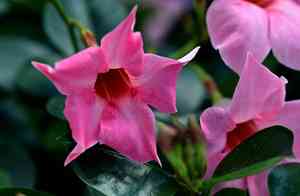
This exotic climbing plant, characterized by its striking trumpet-like blossoms and lustrous foliage, flourishes with consistent trimming to preserve its form and stimulate flowering. Essential methods for brazilian jasmine involve nipping off the ends to foster a denser habit and reducing excessively long stems to a robust bud to revitalize development. Trimming can be performed throughout the year, but it is most effective following the blooming period to ready the plant for its subsequent growth phase. Pruning brazilian jasmine additionally eliminates deceased or ailing portions, thereby improving its general well-being and aesthetic appeal.
What Are the Benefits of Pruning Brazilian Jasmine?
What Are the Benefits of Pruning Brazilian Jasmine?
Trimming brazilian jasmine promotes more abundant blooms, stimulates robust development, and helps maintain its desired form and dimensions, ensuring a neat look and strong vitality.
What Is the Best Time for Pruning Brazilian Jasmine?
What Is the Best Time for Pruning Brazilian Jasmine?
The optimal times to trim brazilian jasmine are early spring, just as new shoots emerge, and late autumn once flowering has concluded. Pruning in early spring encourages vigorous growth and helps maintain a desired shape as the plant enters its active growing phase. Waiting until late autumn ensures that the plant's energy is focused on root and stem development rather than supporting a large number of leaves, which is critical for overwintering. Additionally, removing spent flowers and old growth at this time prevents potential disease and pest problems. These seasons are ideal for pruning because they coincide with the natural dormancy and growth cycles of brazilian jasmine, promoting strong, healthy plants and abundant blooms in the following season.
What Tools Do I Need to Prune Brazilian Jasmine?
Hand Pruners
For precise cuts and shaping of brazilian jasmine, hand pruners, specifically bypass pruners, are recommended due to their clean-cutting action, which is important for maintaining plant health. Bypass pruners work like scissors where a sharp blade passes by a blunt counter-blade, minimizing damage to the remaining plant parts.
Garden Shears
For trimming back larger sections of overgrowth, particularly if brazilian jasmine is being trained on a trellis or support structure, garden shears can be used to shape the vine and manage lateral growth. The long, straight or curved blades allow for even trimming of multiple stems in one cut.
Loppers
When pruning mature or woody stems of brazilian jasmine, loppers provide the additional leverage necessary to make clean cuts through thicker branches. Their long handles allow gardeners to reach higher stems that are beyond arm's length.
Pruning Saw
If brazilian jasmine has developed particularly thick branches over time, a pruning saw might be required. This saw facilitates the removal of branches that are too large for loppers to handle, and a clean cut is crucial for the injury to heal properly over time.
How to Prune Brazilian Jasmine
Step1: Initiate Spring Pruning Post-Frost
Start trimming brazilian jasmine in the spring, after the last frost, to ensure the plant has exited dormancy and is entering a period of active growth which can aid recovery from pruning.
Step2: Sanitize Pruning Tools
Disinfect your pruning tools with isopropyl alcohol or a 10% bleach solution to prevent the spread of disease between plants.
Step3: Deadhead for New Blooms
Identify dead flowers on brazilian jasmine and cut each flower stem just above the highest set of healthy leaves using sharp, clean pruning shears. This encourages the development of new blooms.
Step4: Trim Spindly Growth
Remove weak, thin growth to help brazilian jasmine direct energy to more vigorous branches. Make cuts close to a main stem or branch, ensuring not to leave long stubs which could die back and invite disease.
Step5: Cut Damaged Stems to Healthy Tissue
Prune damaged stems on brazilian jasmine by cutting them back to a point of healthy tissue. If a stem is partially damaged, make a clean cut just above a leaf node or bud. If the damage is extensive, remove the entire stem at its base without harming the main trunk or nearby stems.
Step6: Thin Out for Air Circulation
Thin out overcrowded areas to improve air circulation. Make selective cuts to remove some stems entirely, focusing on areas where the foliage is dense, to reduce the risk of fungal diseases.
Step7: Shape Plant Aesthetically
Shape brazilian jasmine by selectively cutting back overgrown areas to maintain an aesthetically pleasing form. When shaping, always cut back to a leaf node, lateral branch, or a main stem to encourage fuller growth.
Step8: Clear Pruning Debris
Clean up all pruning debris around brazilian jasmine to minimize the risk of pests and diseases and give your plant a tidy appearance.
Step9: Monitor Plant Health Post-Pruning
Monitor your brazilian jasmine post-pruning for signs of stress or disease and water it adequately to help the plant recover and encourage new growth.
Post-Pruning Care for Brazilian Jasmine
Post-Pruning Care for Brazilian Jasmine
Immediately after trimming brazilian jasmine, ensure it receives adequate indirect sunlight to promote healing without stress from intense light. Maintain warmth and high humidity, reflecting brazilian jasmine's native tropical climate. Fertilize with a balanced, water-soluble formula to replenish nutrients and enhance regrowth. Regularly check for wilted leaves, discoloration, or other stress signs indicating potential infection. If symptoms are detected, isolate the plant and treat with appropriate fungicide or pest control measures. Consistent care post-pruning will support brazilian jasmine's recovery and encourage vigorous growth.
Common Pruning Mistakes with Brazilian Jasmine
Over-pruning reduces health and flowering
Excessive pruning is a common error, which results in removing too much of the plant at once and potentially harming brazilian jasmine's overall health and flowering potential.
Dull or unclean tools cause damage and disease risk
Another mistake is making cuts on brazilian jasmine using dull or unclean tools, which can crush the stems and create jagged cuts that are more susceptible to disease.
Ignoring dead growth increases disease spread
Neglecting to remove dead or diseased growth can lead to a less vigorous brazilian jasmine and increase the risk of further disease spread.
Improper shaping distorts natural brazilian jasmine growth
Trimming brazilian jasmine without considering its natural growth habit may result in an unnatural or unattractive shape.
Common Pruning Tips for Brazilian Jasmine
Sharp, clean shears for quick healing cuts
Use sharp, clean pruning shears to make clean cuts that will heal quickly and minimize stress on brazilian jasmine.
First remove dead and diseased material
Focus on removing dead, damaged, or diseased material first to promote the health and aesthetic appeal of brazilian jasmine.
Prune for shape, size and air circulation
Prune to shape brazilian jasmine and maintain a desirable size but also to encourage air circulation within the foliage, which can reduce the risk of disease.
Encourage new growth for flowering
For brazilian jasmine, it's also important to encourage new growth that will contribute to flowering. Prune just above a leaf node or a set of leaves to support new shoot development.
Support brazilian jasmine's vining nature with strategic pruning
Maintain brazilian jasmine's natural vining habit by offering supports if necessary and pruning strategically to enhance its twining nature.



